
RECENT POSTS

22.March.2026
Kinesiology Tape for Knee Pain: Complete Relief Guide for Athletes and Active Individual
0 Comments
21.March.2026
Kinesiology Tape for Knee Pain: Complete Relief Guide for Athletes and Active Individuals
0 Comments
21.March.2026
Kinesiology Tape Benefits: Complete Guide to Uses, Applications, and Therapeutic Effects
0 Comments
05.August.2025
Kinesiology Tape for Plantar Fasciitis: Complete Pain Relief and Recovery Guide
0 CommentsBursitis Kinesiology Tape Guide: Hip, Shoulder & Knee Bursa Support
60-Second Taping Guide
Bursitis (Hip, Shoulder, Knee, Elbow)
Pre-cut kinesiology tape to lift skin off the inflamed bursa, ease pressure pain and support return to normal activity.
What is bursitis?
A bursa is a small fluid-filled sac that cushions a joint and reduces friction between tendons, muscles and bone. Bursitis is inflammation of one of these sacs, most commonly trochanteric bursitis (outer hip), subacromial bursitis (shoulder), prepatellar bursitis (“housemaid’s knee”), or olecranon bursitis (“student’s elbow”). The pain is localised, often worse with direct pressure (lying on the side for hip, leaning on the elbow), and may be accompanied by visible swelling.

Common causes
- Repetitive pressure: kneeling, leaning on elbows, side-sleeping
- Sudden increase in activity (running for hip, throwing for shoulder)
- Direct trauma: a fall onto the affected joint
- Underlying tendon issue causing secondary bursa irritation
- Inflammatory conditions like rheumatoid arthritis
How kinesiology tape helps bursitis
The key mechanism for bursitis is the skin lift effect: tape applied with the right tension lifts the skin minutely, which is thought to reduce pressure on the inflamed bursa and improve lymphatic drainage. A second strip cues the surrounding muscle to engage more efficiently, reducing the compressive forces on the joint. Tape gives most people pressure-pain relief within hours, meaningful for sleep, sitting and lying down.
How to apply: shoulder bursitis example


01
Prep
Joint in neutral position. Clean dry skin over the painful area.
02
Strip 1
Star pattern: 2 strips crossing over the tender spot at 50 to 75% stretch. Anchor ends flat.
03
Strip 2
Third strip along the surrounding muscle at 25% stretch.
04
Activate
Rub firmly 30 seconds. Move the joint through pain-free range.
If the bursa is hot, red and swollen, or you have a fever, see a GP urgently. Septic bursitis needs antibiotics or drainage. Don’t tape over an obviously infected bursa.
Best Tape For This
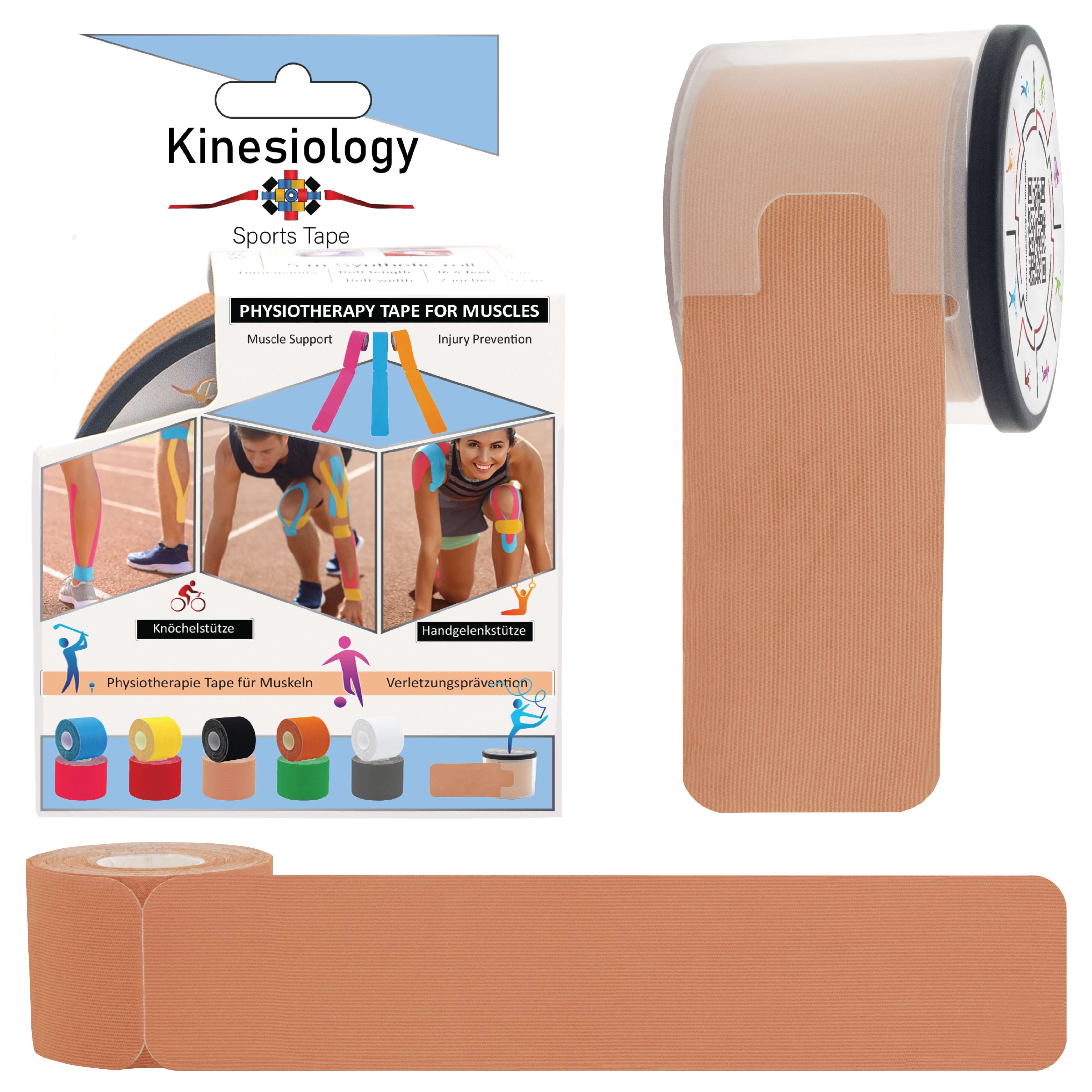
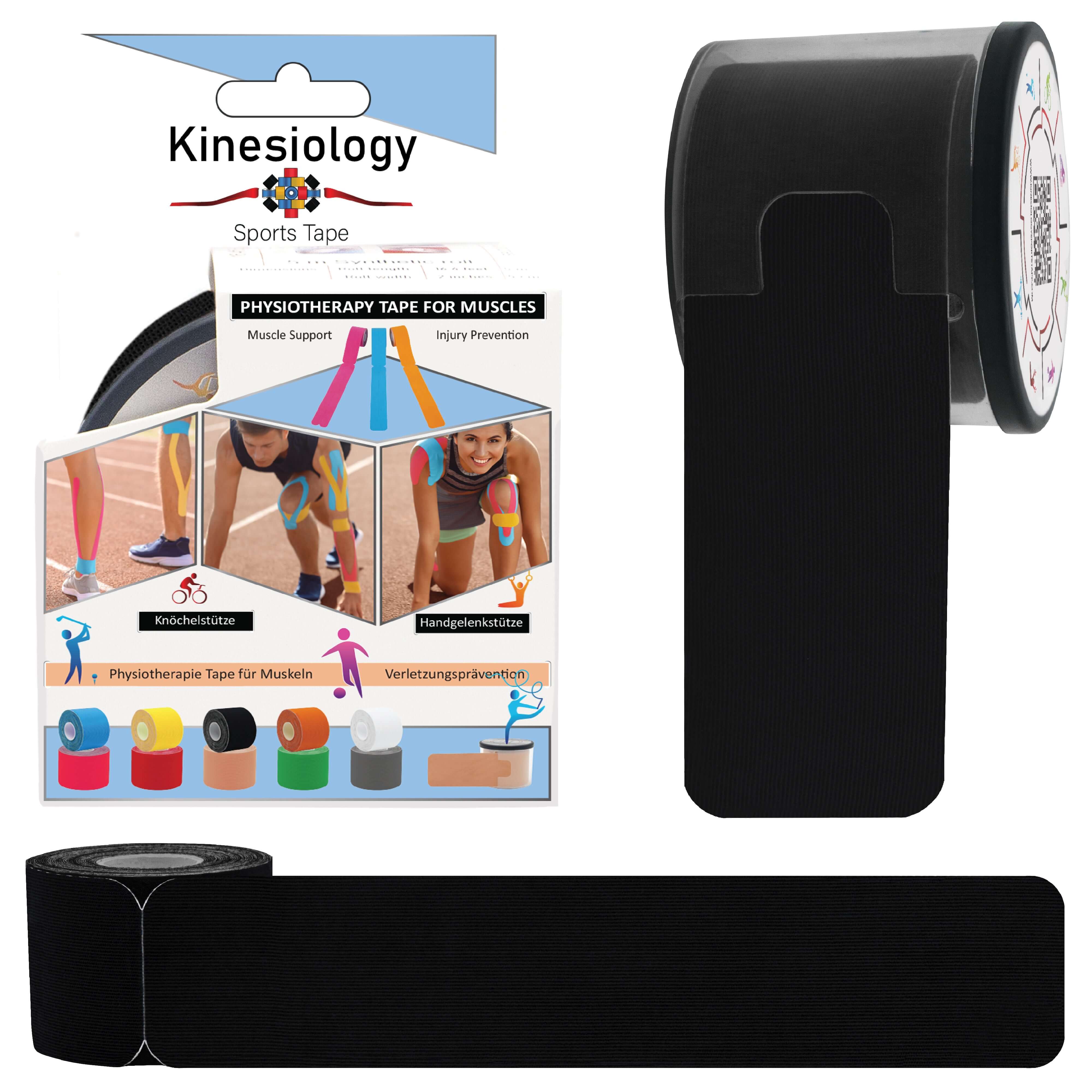
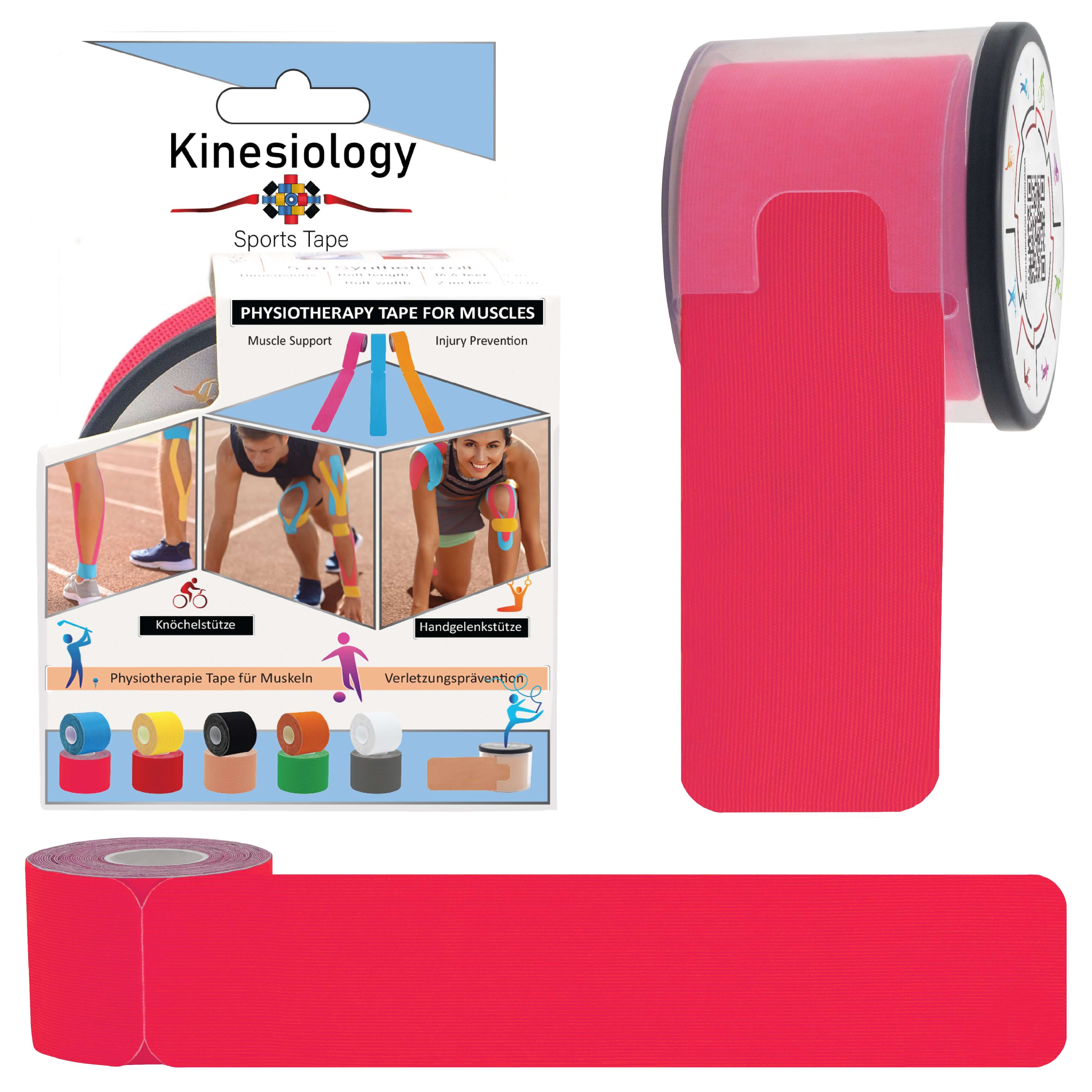
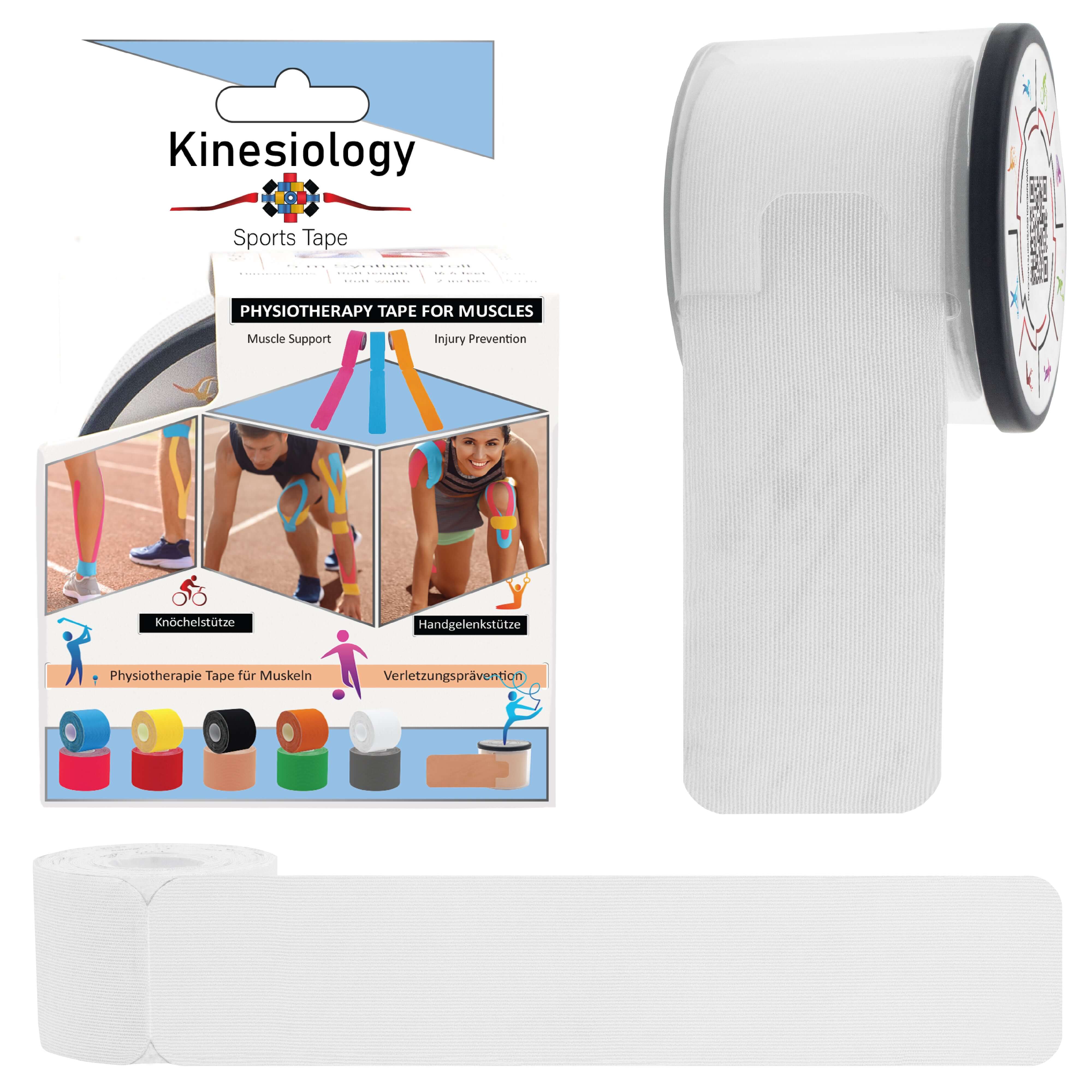
Pick a colour based on where it goes: black for hip and knee under tights, beige for elbow under sleeves.
BlackShop the rangeRecovery tips beyond taping
- Reduce direct pressure: sleep on the other side, kneel on a pad, don’t lean on the elbow.
- Strengthen the surrounding muscles: glute med for hip, rotator cuff for shoulder, quads for knee.
- Address tight structures: foam roll TFL and IT band for hip, doorway stretch for shoulder.
- Ice 10 to 15 minutes 2 to 3 times daily for the first week to reduce swelling.
- NSAIDs short term if appropriate: ibuprofen 400mg with food, max 5 to 7 days. Speak to a pharmacist.
- Steroid injection from a GP or physio if conservative care fails after 4 to 6 weeks.
When to see a physio or GP
See a GP urgently for any bursa that is hot, red, severely swollen, or accompanied by fever. Septic bursitis is a medical emergency. See a physio for any bursitis that doesn’t improve after 4 to 6 weeks of self-management, or for advice on the underlying mechanical cause.
Frequently asked
Bursitis or tendinopathy?
Often hard to tell, they coexist. Bursitis tends to be more localised pain with direct pressure; tendinopathy hurts with the specific movement that loads the tendon. Both respond to similar conservative care.
Can I exercise with bursitis?
Light activity is fine. Avoid the specific movement that aggravates: hip bursitis hates side-lying and crossing legs; shoulder hates overhead reaching.
How long does it take to settle?
Acute bursitis: 2 to 4 weeks. Chronic or recurrent: 6 to 12 weeks with proper rehab of the underlying cause.
Should I get a steroid injection?
If conservative care (rest, tape, strengthening, NSAIDs) hasn’t worked after 4 to 6 weeks, an image-guided steroid injection can be helpful. Discuss with a GP or physio. It’s not a first-line treatment.
Related post
22
Mar
21
Mar
21
Mar
05
Aug
Pain & Recovery Guides
Kinesiology Tape for Plantar Fasciitis: Complete Pain Relief and Recovery Guide
Read more
05
Aug