
Price :
QTY :
CART TOTALS :
There are items
in your cart
CART TOTALS :
With this products also buy:
Your shopping bag is empty
Go to the shop
Targeted Pain Relief
Pre-cut kinesiology tape for plantar fasciitis, heel pain, metatarsalgia, posterior tibial tendonitis, Morton’s neuroma and post-fracture foot rehab. The foot has 26 bones and 30+ joints — pain here is common but usually fixable.
This page covers six of the most common foot conditions kinesiology tape can help. The foot is the most-injured body part for runners, nurses, retail workers, and anyone who stands all day on hard floors. The good news: most foot pain is mechanical, not structural, and responds well to support taping plus footwear and load changes.
Sharp, stabbing pain in the heel on the first few steps out of bed that eases through the day and returns after long standing. The plantar fascia (thick band running from heel to toes) is irritated. Common in runners, nurses, teachers, hospitality staff, and people aged 40 to 60.
Tape pattern: Strip 1 anchors at the base of toes, lays along the arch to back of heel at 50% stretch. Strip 2 wraps horizontally across the heel cup at 75% stretch.
Full Plantar Fasciitis Guide →Bony growth on the underside of the heel bone, often a consequence of long-standing plantar fasciitis. Many people have heel spurs visible on X-ray with no pain at all; pain is usually from the surrounding inflamed soft tissue, not the spur itself.
Tape pattern: Same as plantar fasciitis. Treat the soft-tissue inflammation; the spur typically doesn’t need addressing if pain settles.
Burning or aching under the ball of the foot, behind the toes. Common in dancers, runners in minimal trainers, women wearing heels, and people with high arches. Long-distance walking on hard surfaces is the typical trigger.
Tape pattern: Strip 1 wraps across the ball of the foot at 25% stretch, anchored on both sides of the foot. Strip 2 vertical along the arch for support.
Sharp, burning pain or numbness between the third and fourth toes, often described as “walking on a pebble”. Thickening of the nerve from chronic compression. Tight shoes, high heels, repetitive ball-strike running.
Tape pattern: Decompression strip across the metatarsal heads, lifting skin off the irritated nerve. Combine with wider shoes and metatarsal pads. See a podiatrist if pain persists.
Pain along the inner foot and ankle, especially after standing or walking. The tendon that supports the arch is irritated. Untreated, can progress to acquired flat foot. Common in middle-aged women and people who’ve gained weight rapidly.
Tape pattern: Strip 1 along the inner foot from arch up the inner ankle to mid-shin at 50% stretch. Strip 2 wraps around the inner ankle in a stirrup pattern for arch lift.
Pain across the top of the foot when flexing the toes upward or after lacing shoes too tight. Common in runners who’ve over-tightened laces or in cyclists with stiff cleats.
Tape pattern: Strip from base of toes up the top of the foot to the front of the ankle at 25% stretch. Provides support without restricting flex.
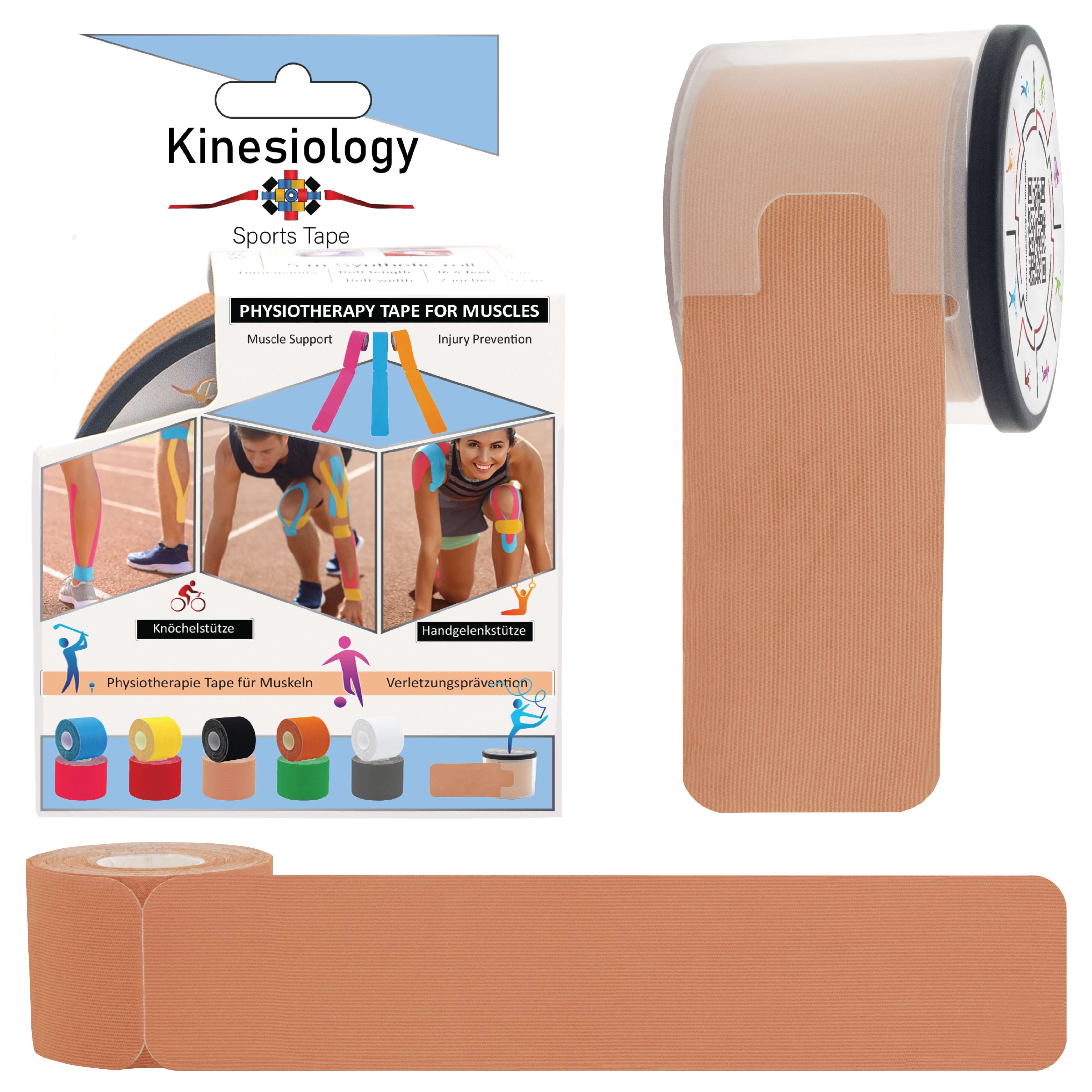
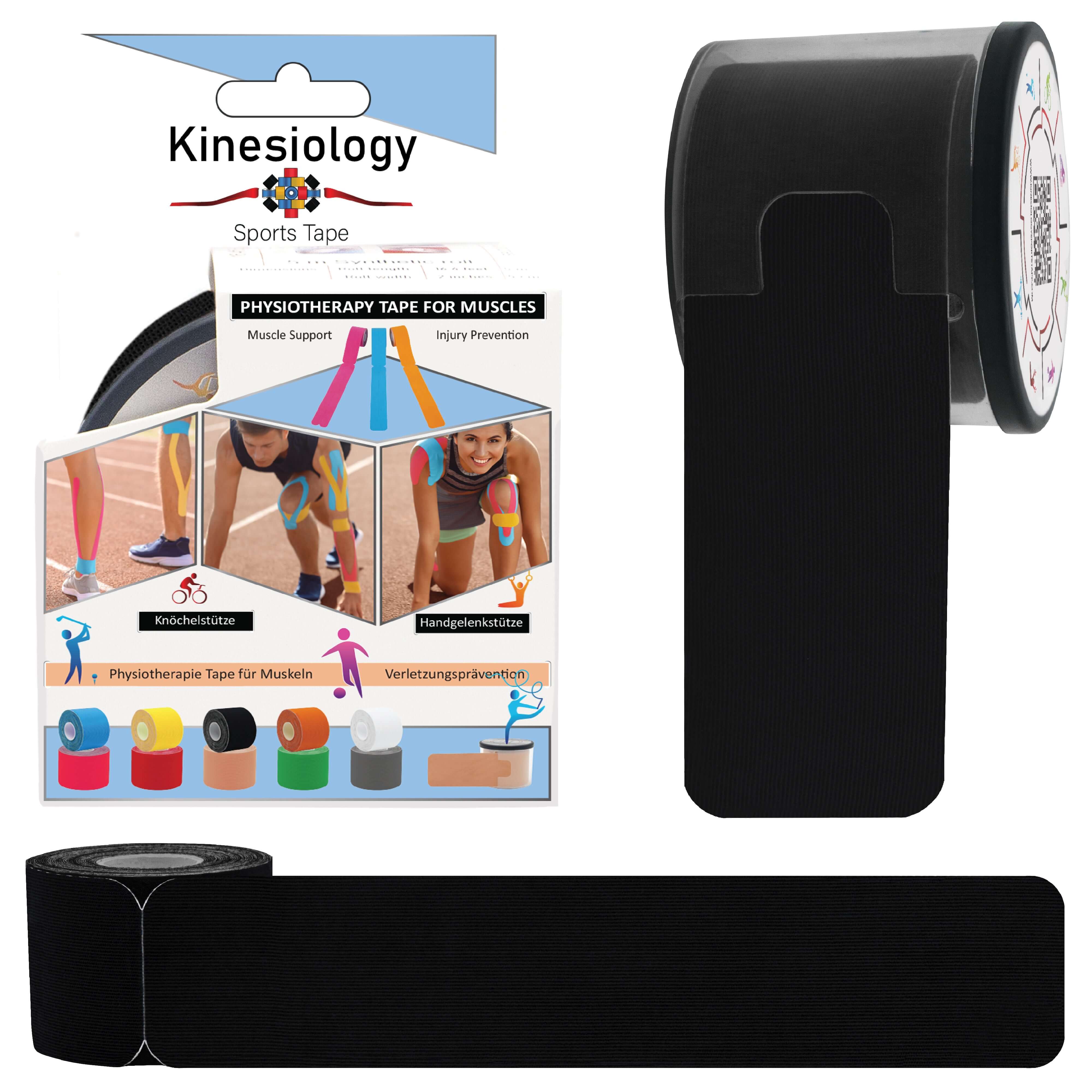
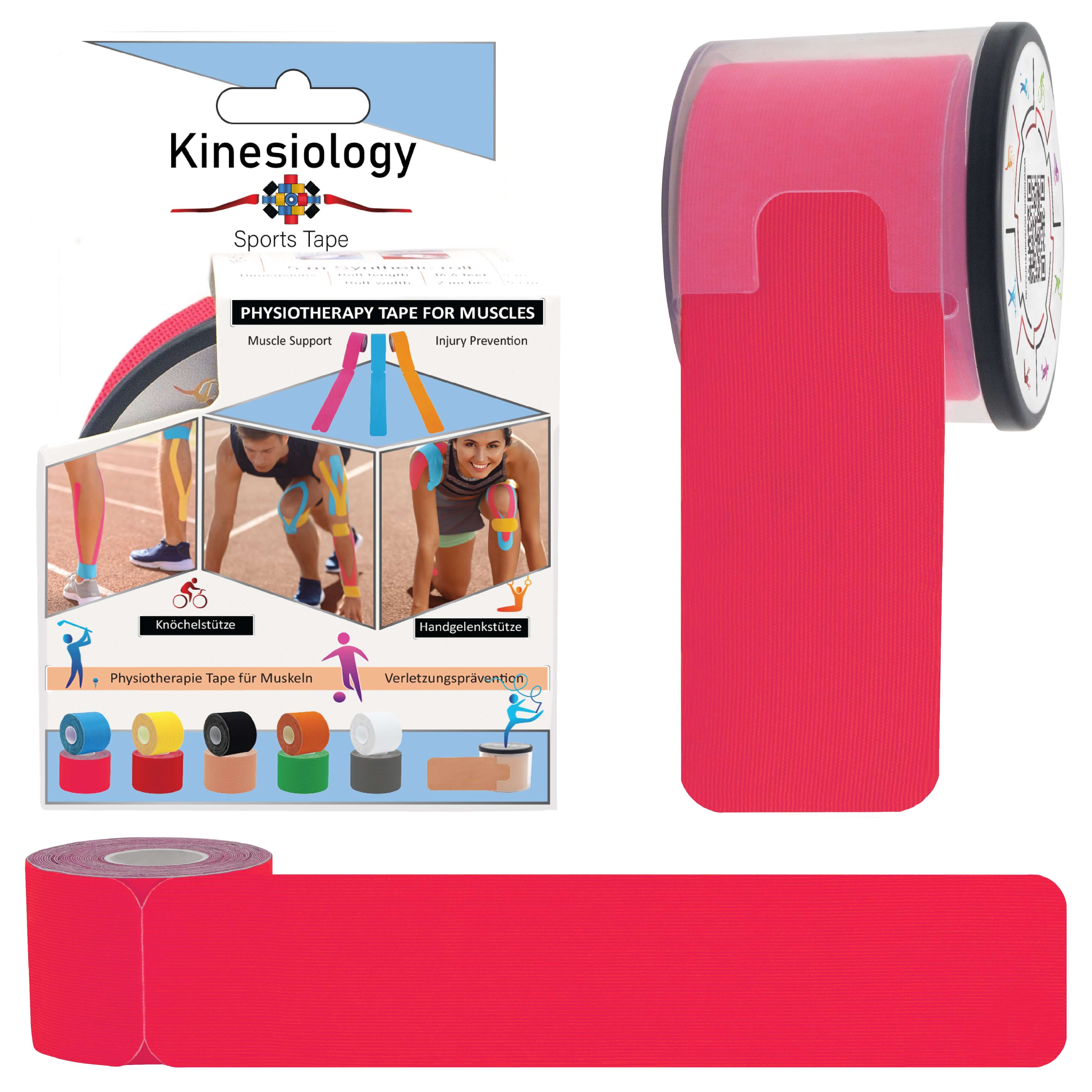
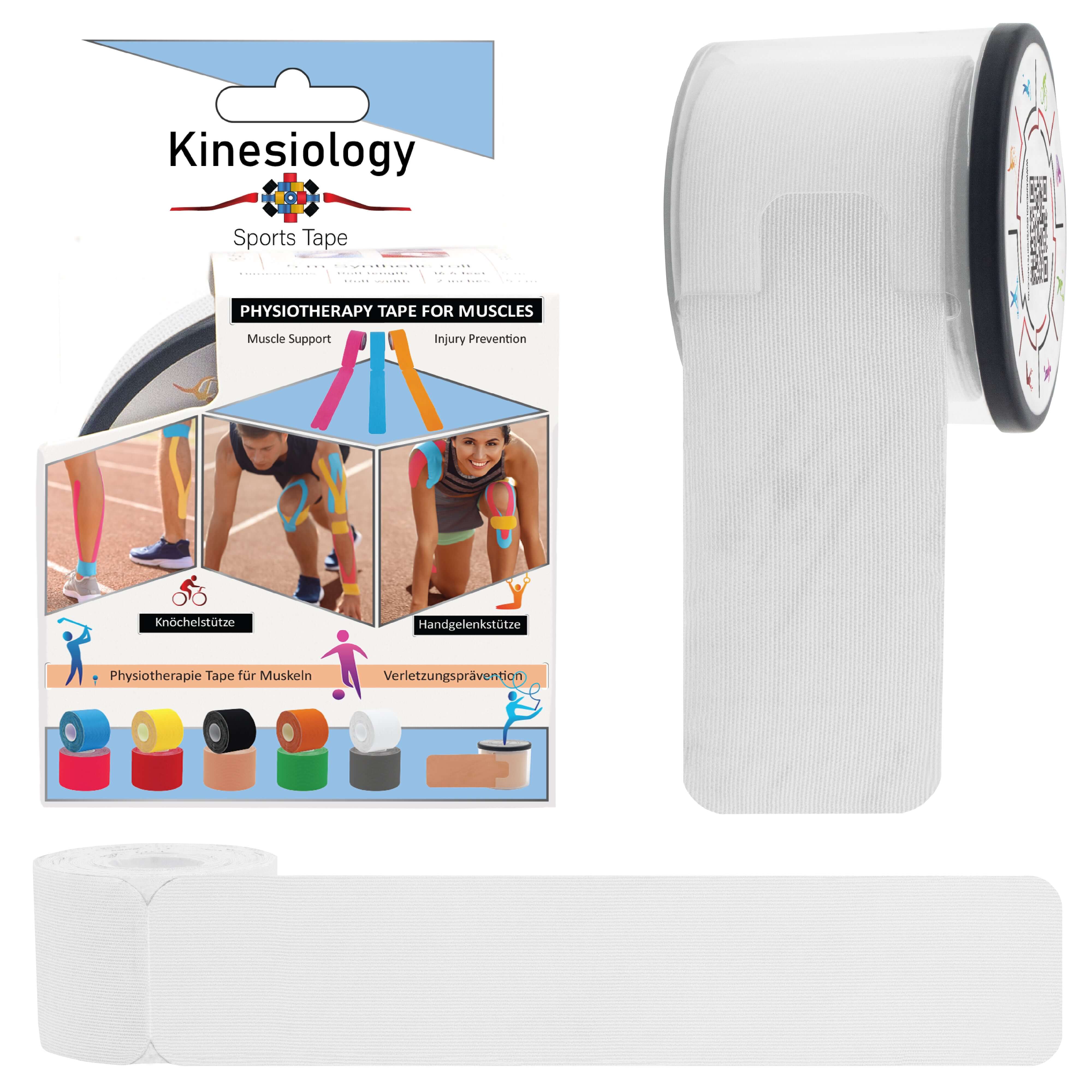
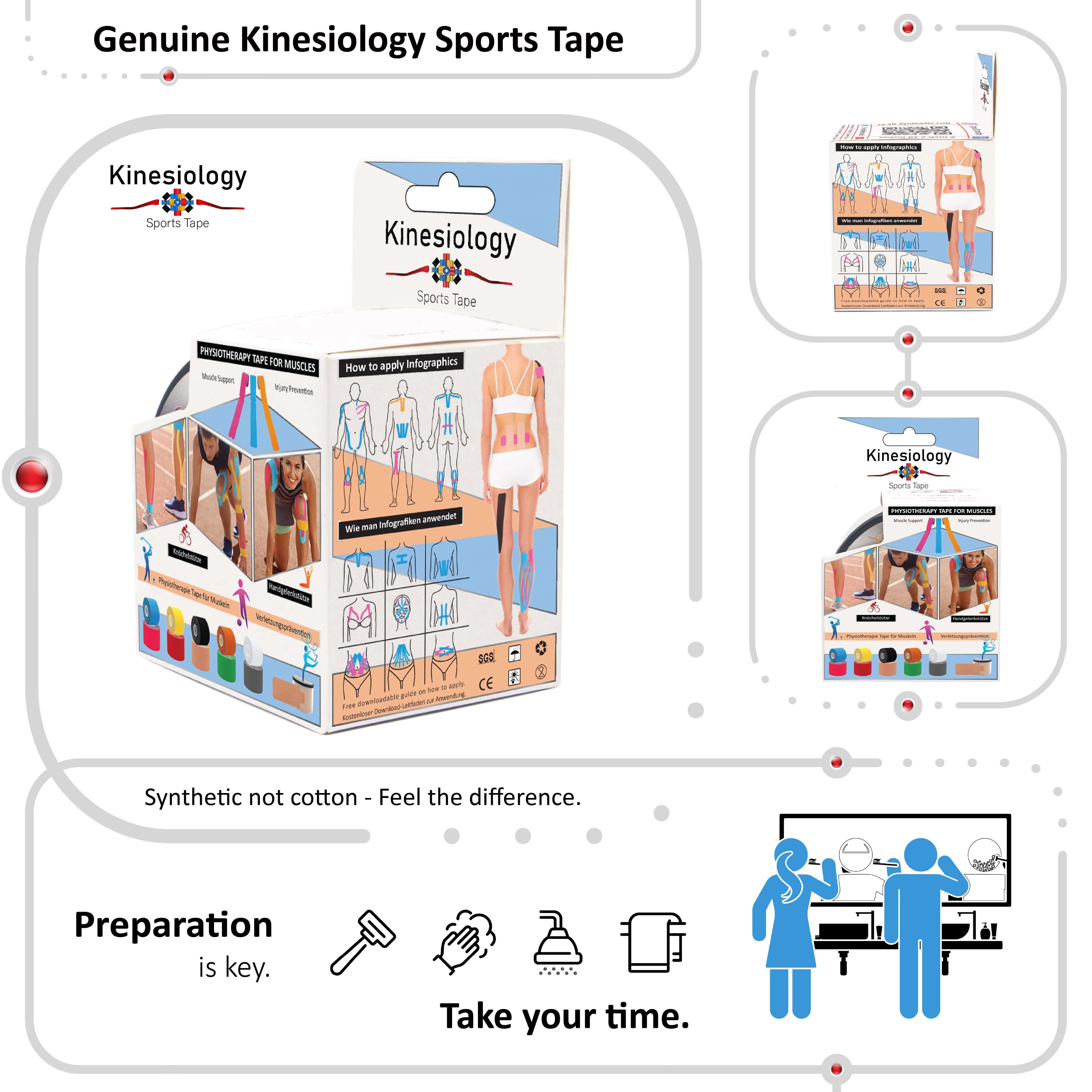
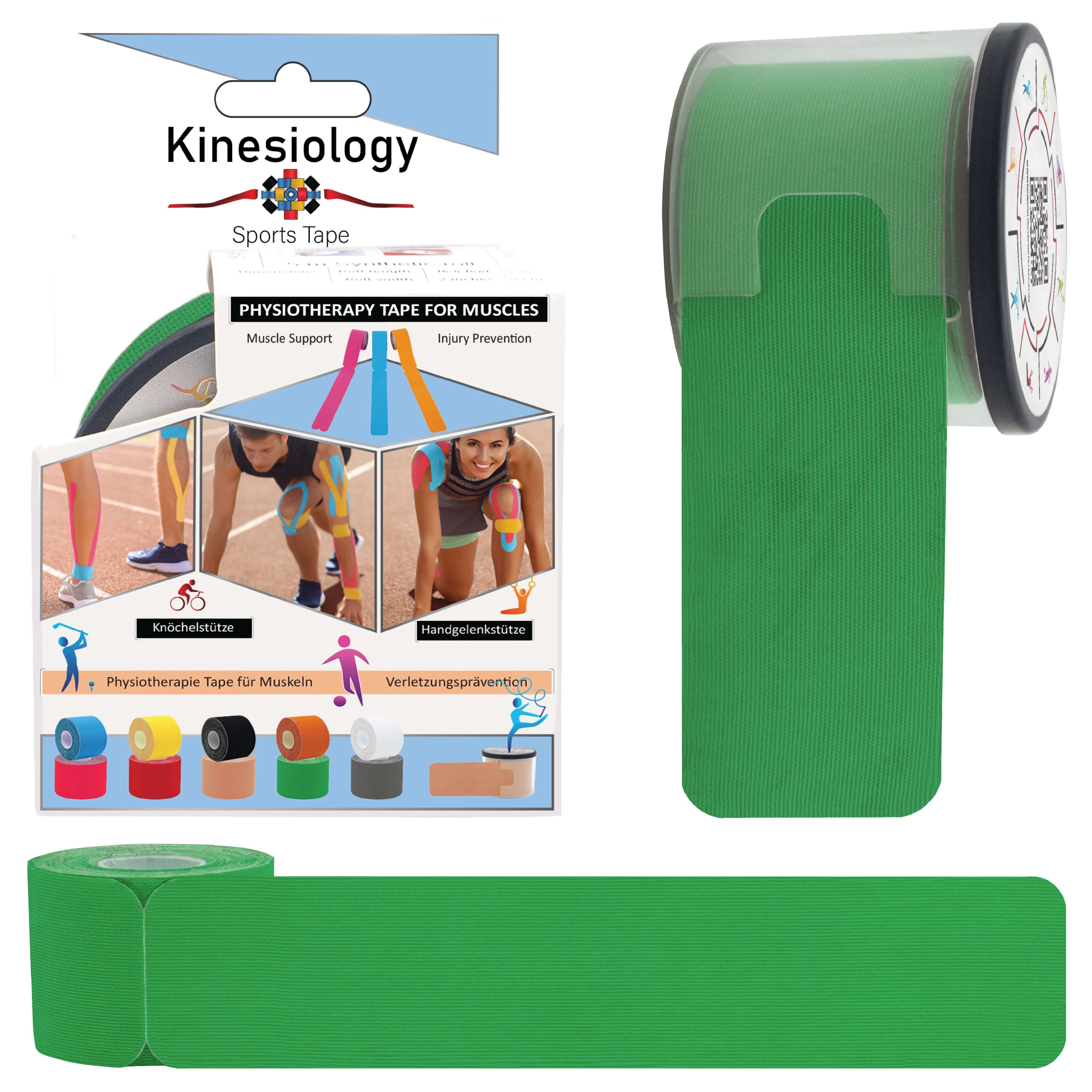
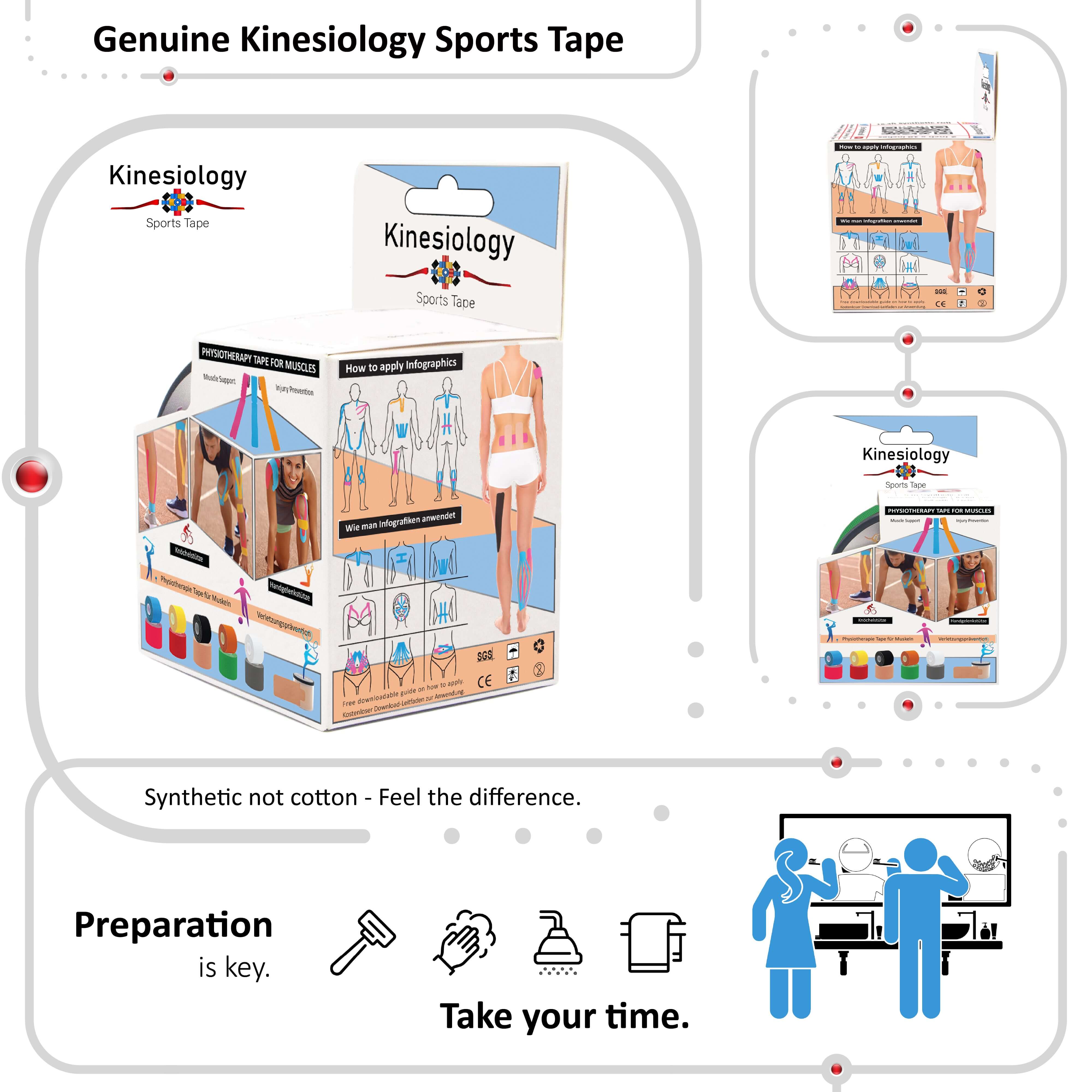
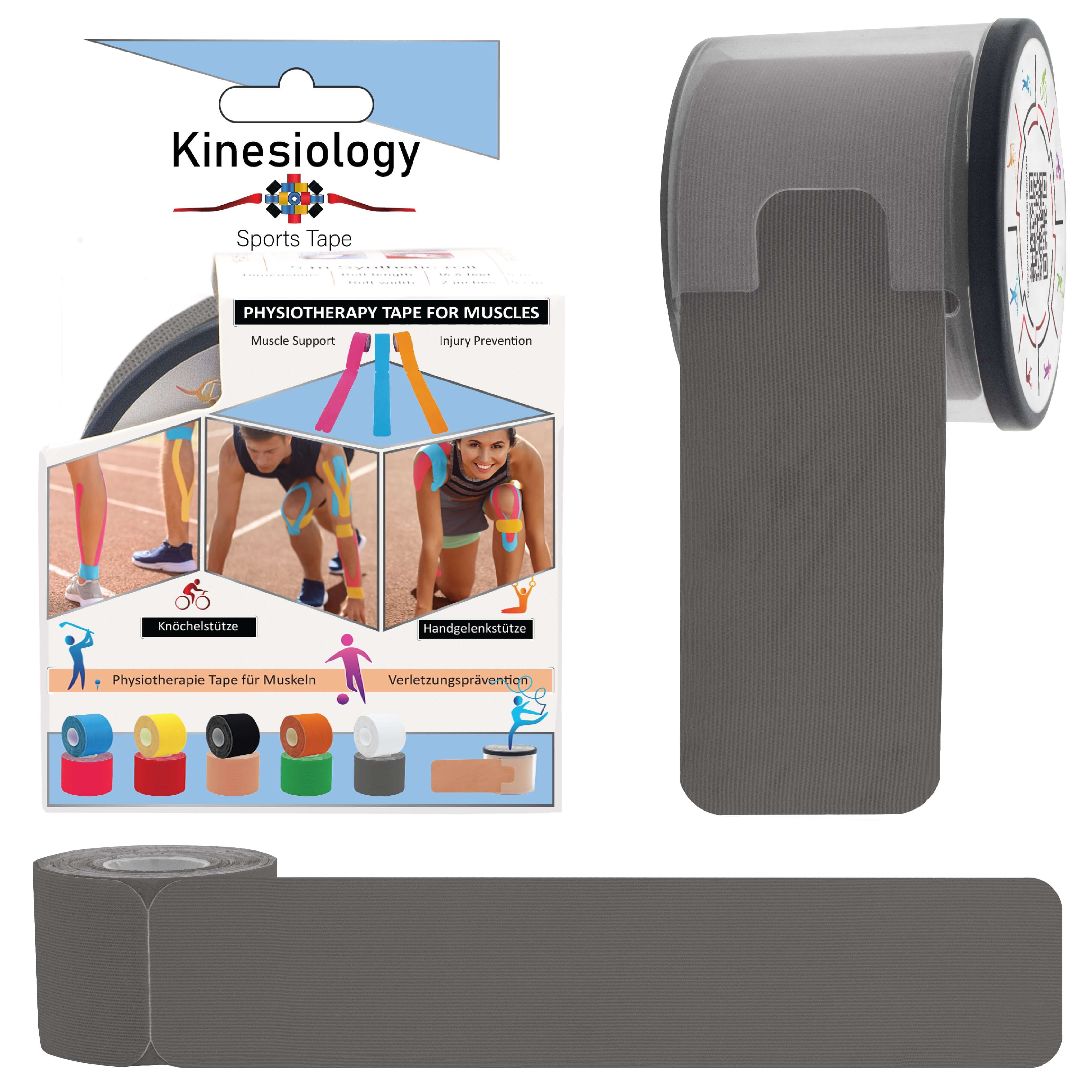
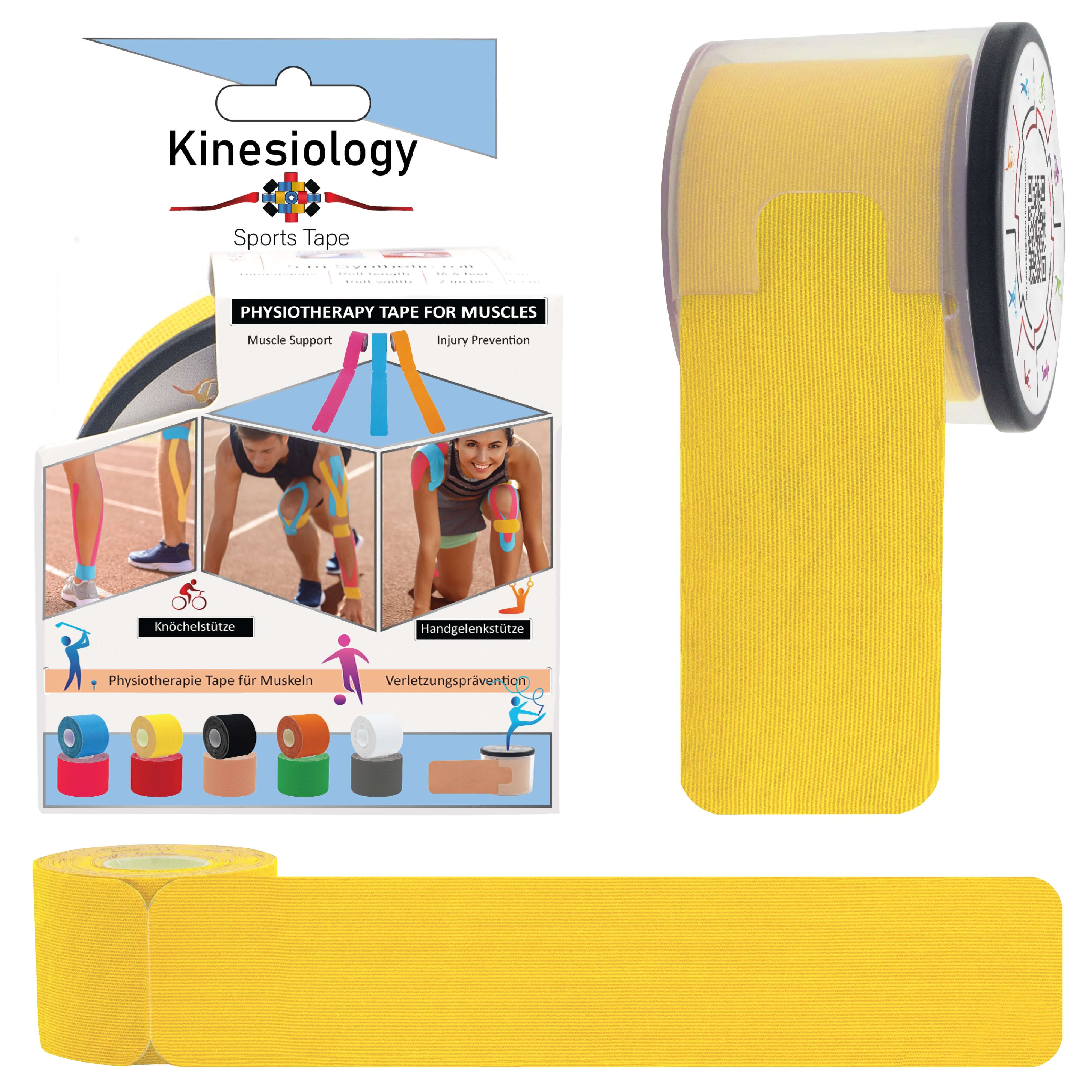
Our pre-cut 5cm × 25cm strips fit the arch and heel perfectly. Beige is the discreet choice for work shoes; black for trainers and sports.
From £3.99 per pack
Shop 10 Plain ColoursShop Talisman DesignsThree mechanisms work together. First, the tape gives proprioceptive feedback: the foot’s small stabilising muscles (intrinsic foot muscles, tibialis posterior, peroneals) fire earlier and more consistently when the skin notices the gentle pull. Second, the skin lift over inflamed fascia or tendon is thought to ease pressure on local pain receptors and improve micro-circulation. Third, for plantar fasciitis specifically, the arch-support pattern reduces the tension on the inflamed fascia, like a soft natural orthotic.
Unlike a rigid orthotic, tape works while you move. Most people feel a meaningful reduction in morning pain and standing fatigue within the first day of taping.
Yes — that’s the main use case. The tape is thin enough to fit under socks and inside shoes without bulk. Choose beige for less visibility.
Up to 7 days, including running, gym sessions and showering. Our synthetic Rayon/Spandex tape holds longer than cotton because it doesn’t wick sweat into the adhesive.
Both work, and they complement each other. Orthotics give passive arch support all day. Tape gives proprioceptive cueing that activates the foot’s own muscles. Many people use orthotics during work hours and tape for runs/sport.
Once sutures or cast are off and your surgeon clears taping (usually 2 to 4 weeks post-op or post-cast), yes. A fan-strip lymphatic technique reduces persistent swelling; later a support pattern aids return to walking. See our post-surgical guide.
Yes. Safe for children. For Sever’s disease (heel pain in active 8 to 14 year olds), tape eases symptoms but rest from running and calf stretching is the cure.
Classic plantar fasciitis pattern: sharp morning pain on first steps, eases through the day, returns with standing. If pain is constant rather than morning-worst, see a physio — could be a different issue.
Browse all 19 taping guides
From neck pain to ankle sprains, step-by-step guides for every common condition.
All Pain Guides →Foot Taping Gallery