
Price :
QTY :
CART TOTALS :
There are items
in your cart
CART TOTALS :
With this products also buy:
Your shopping bag is empty
Go to the shopKinesiology Tape For Recovery
Healing takes patience. Tape helps.
Pre-cut kinesiology tape for rehab, return-from-injury, chronic pain management, post-surgical recovery and the long climb back.
Recovery is the longest part of any injury — longer than the diagnosis, longer than the surgery, longer than the “you’re cleared to train” appointment that doesn’t actually mean back-to-full. The first six weeks are about not making things worse. The next three months are about waking up muscles that have forgotten their job. The year after that is about confidence, gradual loading, and learning to trust the joint again.
Kinesiology tape has a quiet but consistent role across all of that. It’s in NHS physio clinics, in private rehab settings, in elite sport return-to-play protocols, and in the homes of people managing chronic conditions year after year. It does small useful things at low cost — which, for the long arc of recovery, is exactly what you need.
There are three mechanisms by which tape helps recovery, and any given application is using one or two of them. The first is lymphatic drainage. A fan-shaped tape, applied with very low tension over a swollen area, gently lifts the skin and creates space for lymphatic flow underneath. For post-surgical swelling, for chronic oedema, for the bruising that follows a sprain — a fan applied for 3-5 days at a time can visibly reduce swelling.
The second is proprioceptive reactivation. After surgery or prolonged immobilisation, the brain loses some of its connection to the muscle. The motor pathway is intact, but the recruitment is sluggish — the muscle is “asleep.” A piece of tape along the line of pull gives the brain a constant skin-stretch reminder, biasing it toward firing the muscle. It’s a small effect, but it stacks well with the active exercises the physio is prescribing.
The third is gentle support that doesn’t restrict the rehab movement. Unlike a brace, tape doesn’t limit range. So you can wear it through the prescribed mobility work, the balance drills, the early loaded movement, and it continues to feed the joint that low-level proprioceptive input throughout. For chronic conditions — long-standing lower back, tennis elbow, plantar fasciitis that comes and goes — tape becomes part of a daily management routine.
For the symbolic dimension, the Dreamcatcher Talisman edition speaks directly to the recovery context. The dreamcatcher in Ojibwe tradition is a protective object — it filters out what doesn’t serve and lets through what does. Wearing it on tape during the vulnerable healing window appeals to the part of recovery that isn’t just biomechanical — the part that needs reassurance and a visible marker of care.
Proprioceptive reactivation of muscles that have been off-line during immobilisation — quad after ACL, deltoid after rotator cuff repair.
Fan strips applied with minimal tension over swollen tissue help lymphatic drainage in weeks 2-6 post-injury or post-op.
Paraspinal strips give a steady proprioceptive cue for the multifidus and erectors through the workday and overnight.
Decompression strips along the forearm extensors or flexors reduce tendon load and support the eccentric rehab work.
Deltoid and posterior cuff taping cues activation through the early progressive loading phase of shoulder rehab.
A fan from heel forward across the arch supports the plantar fascia through daily walking and standing.

Six tapes from the 26 in our recovery collection — mostly the discreet neutrals that work for daily wear under clothing, plus the Dreamcatcher Talisman edition for the symbolic dimension of healing.

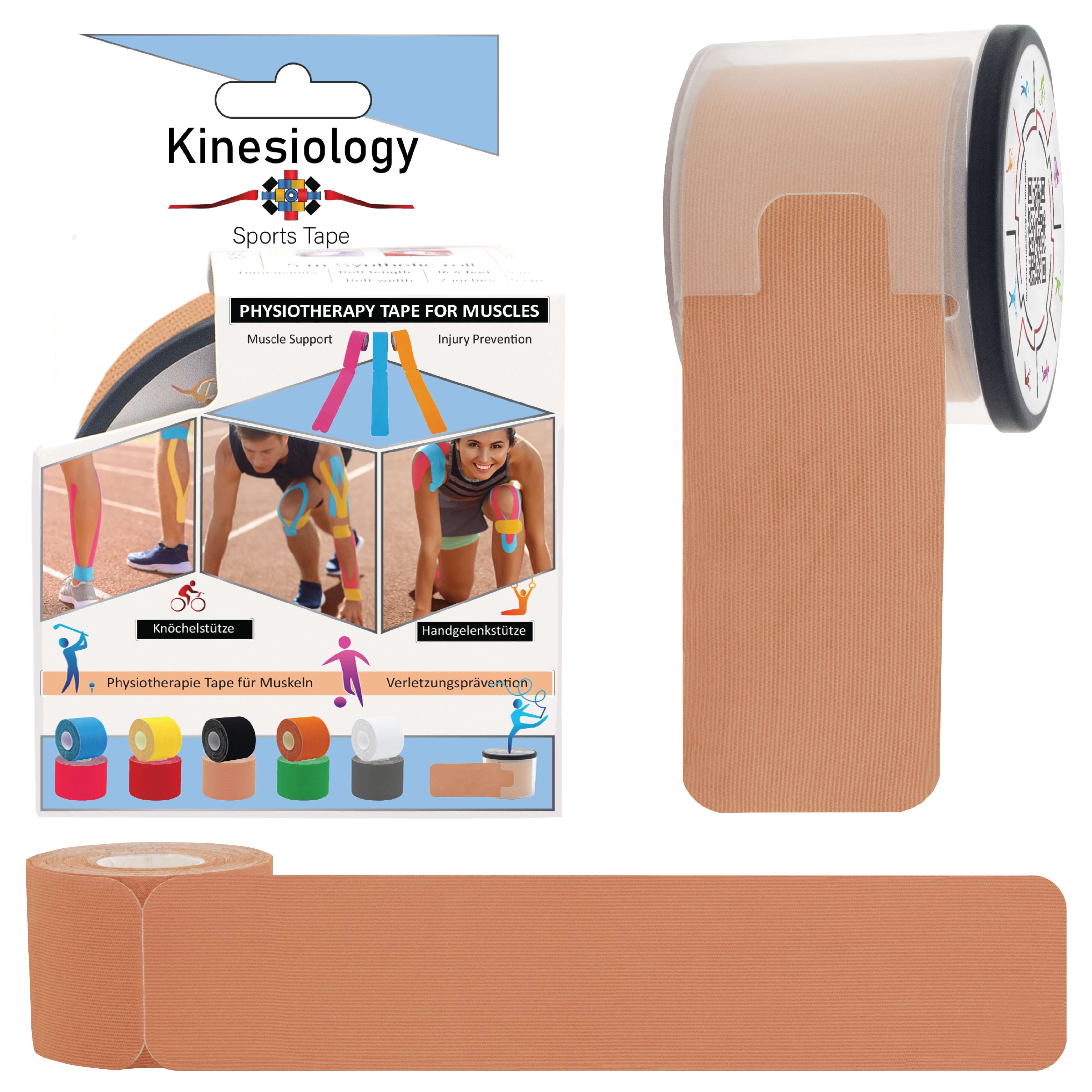
Beige Plain (discreet daily wear)
From £3.99

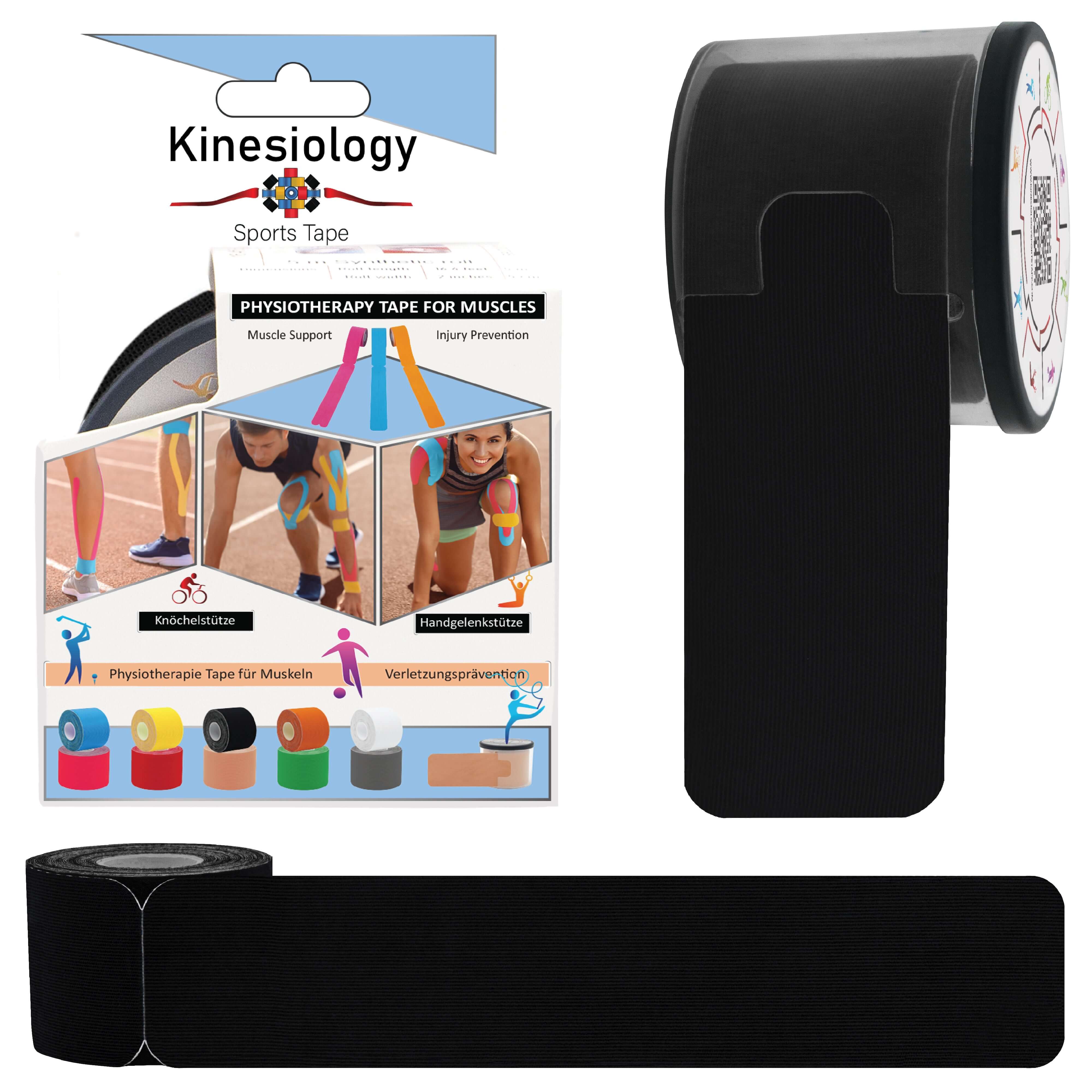
Black Plain
From £3.99

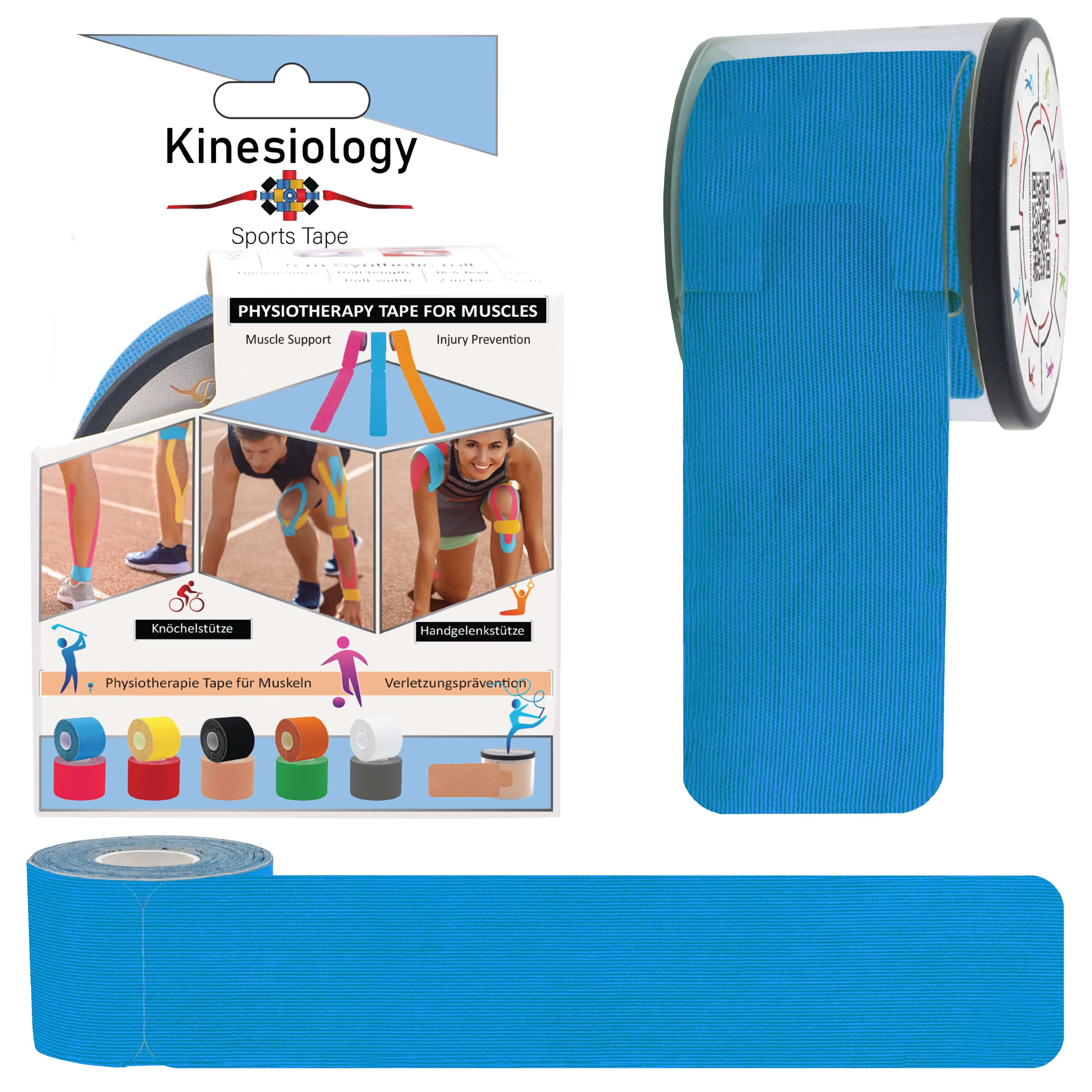
Blue Plain
From £3.99

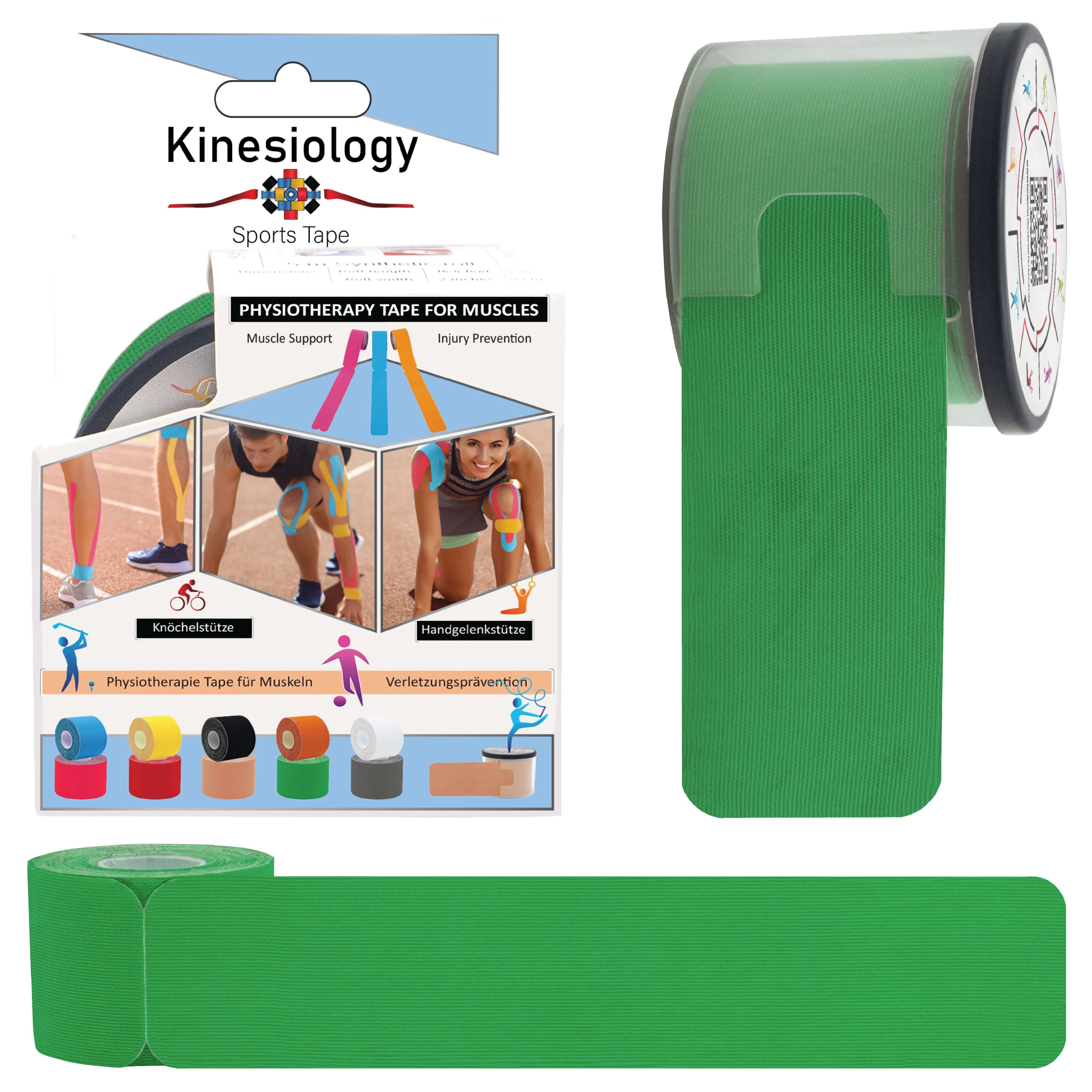
Green Plain
From £3.99

Black Dreamcatcher Talisman (Vertical)
From £3.99

Beige Dreamcatcher Talisman (Vertical)
From £3.99
Before anything else, check with your physio or surgeon. Kinesiology tape is safe and widely used in rehab settings, but the timing and application pattern matters — what works at six weeks post-op may not be appropriate at week one. Never apply tape over an open wound, fresh surgical scar, or skin that’s actively healing. Wait until the scar is closed and the dressing has come off.
For the early swelling weeks (typically weeks 2-6 post-op or post-acute-injury), fan strips applied with very low tension are the right pattern — they encourage lymphatic drainage without restricting movement. As you progress into the strengthening phase, the application pattern shifts toward support along the line of pull of the muscles you’re trying to reactivate. Apply 30 minutes before rehab exercises; leave on for 5-7 days; remove gently with oil or in the shower. If your skin gets irritated, give it a day off between applications.