
RECENT POSTS

22.March.2026
Kinesiology Tape for Knee Pain: Complete Relief Guide for Athletes and Active Individual
0 Comments
21.March.2026
Kinesiology Tape for Knee Pain: Complete Relief Guide for Athletes and Active Individuals
0 Comments
21.March.2026
Kinesiology Tape Benefits: Complete Guide to Uses, Applications, and Therapeutic Effects
0 Comments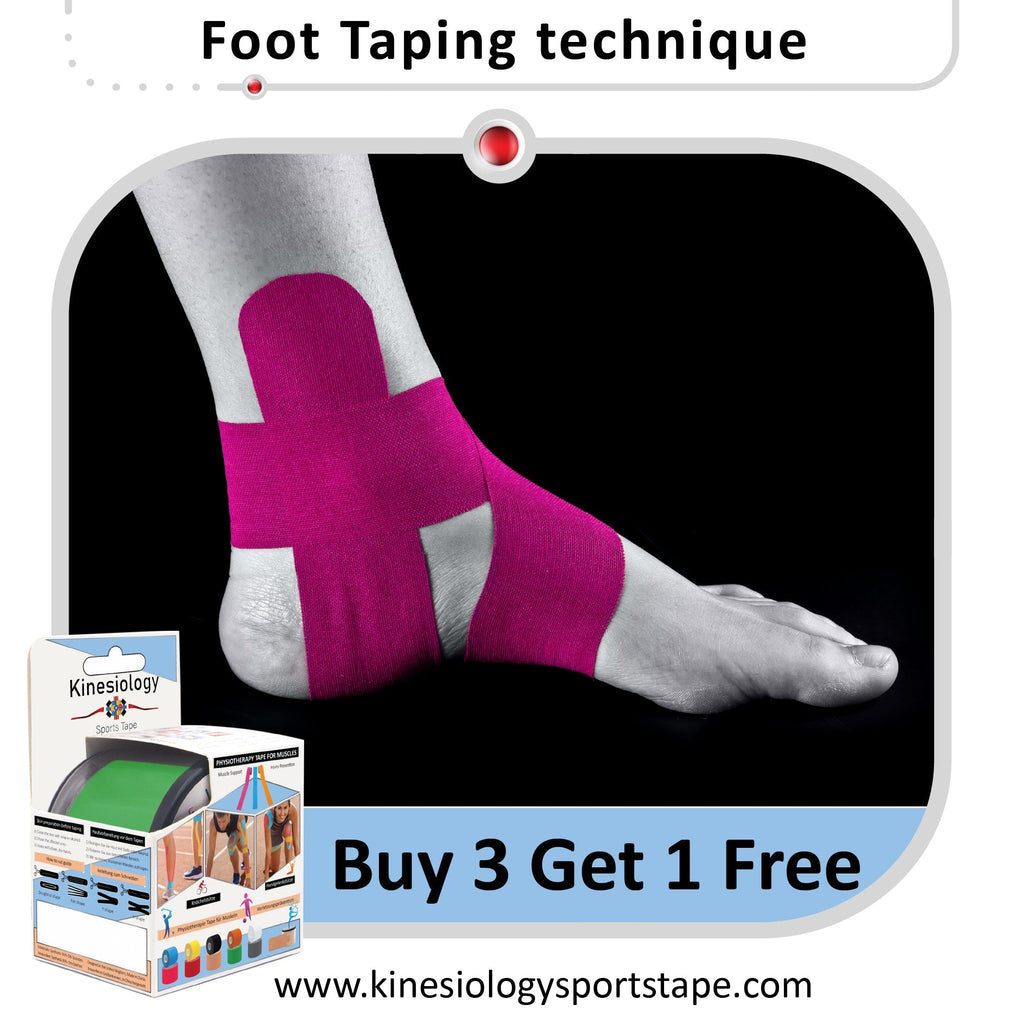
05.August.2025
Kinesiology Tape for Plantar Fasciitis: Complete Pain Relief and Recovery Guide
0 CommentsShin Splints Kinesiology Tape Guide: Pre-Run Application for MTSS
60-Second Taping Guide
Shin Splints (MTSS) for Runners
Pre-run taping to support the tibialis anterior, ease medial shin pain and keep you mobile through the rebuild.
What are shin splints?
Shin splints is the everyday term for medial tibial stress syndrome (MTSS), inflammation of the muscles, tendons and periosteum along the inner edge of the shin bone (tibia). It typically appears in the first 2 to 4 weeks of a training ramp-up, hits the inside of the lower leg 5 to 10cm above the ankle, and feels worst at the start of a run, eases mid-run, then aches afterwards. Left unmanaged, it can progress to a stress fracture, so taking it seriously early matters.

Common causes
- Sudden jump in running volume or intensity
- Hard surfaces (road, treadmill belt) after time off softer ground
- Overpronation or worn-out trainers
- Weak hip stabilisers (gluteus medius) causing knee collapse
- Tight calves and a stiff ankle
How kinesiology tape helps shin splints
Tape applied along the tibialis anterior (the muscle running down the front-outside of your shin) and across the inner shin gives proprioceptive feedback. The leg’s stabilisers fire earlier, reducing the eccentric overload that drives MTSS pain. The tape lift effect is thought to reduce pressure on local pain receptors and improve circulation through the inflamed periosteum. Most runners notice a 30 to 50% reduction in start-of-run pain within the first few sessions taped.
How to apply: medial shin support


01
Prep
Clean, dry shin. Sit with leg out, foot flexed up.
02
Strip 1
Anchor at top of foot. Lay along front-outer shin to just below knee at 25% stretch.
03
Strip 2
Horizontal across the painful spot at 50 to 75% stretch. Anchor ends flat.
04
Activate
Rub firmly 30 seconds. Walk a few steps. Then run.
Important: Tape supports the rebuild. It does not fix the cause. If the pain is sharp and localised to a single spot on the shin bone, stop running and see a physio. Stress fractures need rest, not tape.
Best Tape For This
Pre-cut I-strips fit the shin perfectly. Yellow for road visibility, black for race-day stealth.
YellowShop the rangeRecovery tips beyond taping
- Reduce volume by 30 to 50% for 2 weeks. Then build back at 10% per week.
- Switch surface: move to grass, trail or treadmill at 1% incline.
- Calf raises 3 × 15, both legs and single-leg, daily.
- Hip strengthening: clamshells and side-lying leg raises 3 × 12.
- Ice the inner shin 10 minutes after each run for the first 2 weeks.
- Check your trainers: replace at 500 to 800km, look at wear pattern for overpronation.
When to see a physio or GP
Stop running and book a physio if (a) pain is sharp and on a single point of the shin bone, (b) it hurts when you are not running, (c) it persists after 4 weeks of reduced training and self-management, or (d) you have swelling, redness or warmth over the shin. These can indicate a stress fracture or compartment syndrome.
Frequently asked
Can I run with kinesiology tape on for shin splints?
Yes. That’s the main use case. Apply 30 minutes before your run. Many runners tape preventively during high-mileage training blocks and only stop once symptoms fully clear.
How long can I leave the tape on between runs?
Up to 7 days. Showering, swimming and sweat are fine. Replace if edges lift significantly.
Will tape prevent shin splints?
It reduces eccentric muscle stress during running, which is one of the drivers of MTSS. Combined with proper trainer choice, gradual load progression and hip strengthening, prevention rates are good. Tape alone, on top of bad training habits, will not.
One leg or both?
Tape the symptomatic side. If you have had shin splints both legs in the past, tape both during big mileage weeks. Better to use 4 strips than miss 4 weeks of training.
Related post
22
Mar
21
Mar
21
Mar
05
Aug
Pain & Recovery Guides
Kinesiology Tape for Plantar Fasciitis: Complete Pain Relief and Recovery Guide
Read more
05
Aug