
RECENT POSTS

22.March.2026
Kinesiology Tape for Knee Pain: Complete Relief Guide for Athletes and Active Individual
0 Comments
21.March.2026
Kinesiology Tape for Knee Pain: Complete Relief Guide for Athletes and Active Individuals
0 Comments
21.March.2026
Kinesiology Tape Benefits: Complete Guide to Uses, Applications, and Therapeutic Effects
0 Comments
05.August.2025
Kinesiology Tape for Plantar Fasciitis: Complete Pain Relief and Recovery Guide
0 CommentsSwelling & Lymphatic Drainage Kinesiology Tape Guide: Fan Strip Method
60-Second Taping Guide
Swelling, Bruising & Lymphatic Drainage
Pre-cut kinesiology tape fan-strip technique to reduce post-injury swelling, bruising and oedema.
What is post-injury swelling?
Swelling (oedema) is the build-up of excess fluid in the tissues, the body’s normal early response to injury, surgery, prolonged inactivity (long flights, post-cast removal) or chronic conditions like lymphoedema. After a sprain, surgery or contusion, the area fills with inflammatory fluid and blood, and the slow-moving lymphatic system can struggle to clear it, leaving the swelling around for days or weeks. Persistent swelling stiffens the joint and slows the rebuild.

Common causes
- Acute injury: sprain, strain, contusion, bruise
- Post-surgical swelling (knee, ankle, shoulder)
- Long flights or long sits (gravitational ankle swelling)
- Removal of a cast or splint: lymphatic flow takes time to restart
- Chronic lymphoedema (often after lymph node removal)
How kinesiology tape helps swelling
The fan strip technique uses tape cut into 4 to 5 thin tails laid across the swollen area, anchored at the nearest lymph node cluster (groin for leg, armpit for arm). The skin lift effect creates microscopic channels in the tissue that improve lymphatic drainage. Studies in post-surgical knees and lymphoedema show meaningful reductions in swelling with this technique. It’s commonly used by physios for early-stage post-injury and post-op cases.
How to apply: fan strip for ankle swelling


01
Prep
Elevate limb above heart. Clean dry skin. Cut strip into 4 thin tails from one end, keeping a solid anchor.
02
Anchor
Place solid anchor at the nearest lymph node cluster (back of knee for ankle).
03
Fan
Spread the 4 tails across the swollen area at 10 to 15% stretch only, very light. Wrap around as needed.
04
Activate
Rub gently. Keep limb elevated for 20 minutes.
Get assessed urgently for sudden one-sided leg swelling with pain or warmth. This can be deep vein thrombosis (DVT). Don’t tape over suspected DVT.
Best Tape For This
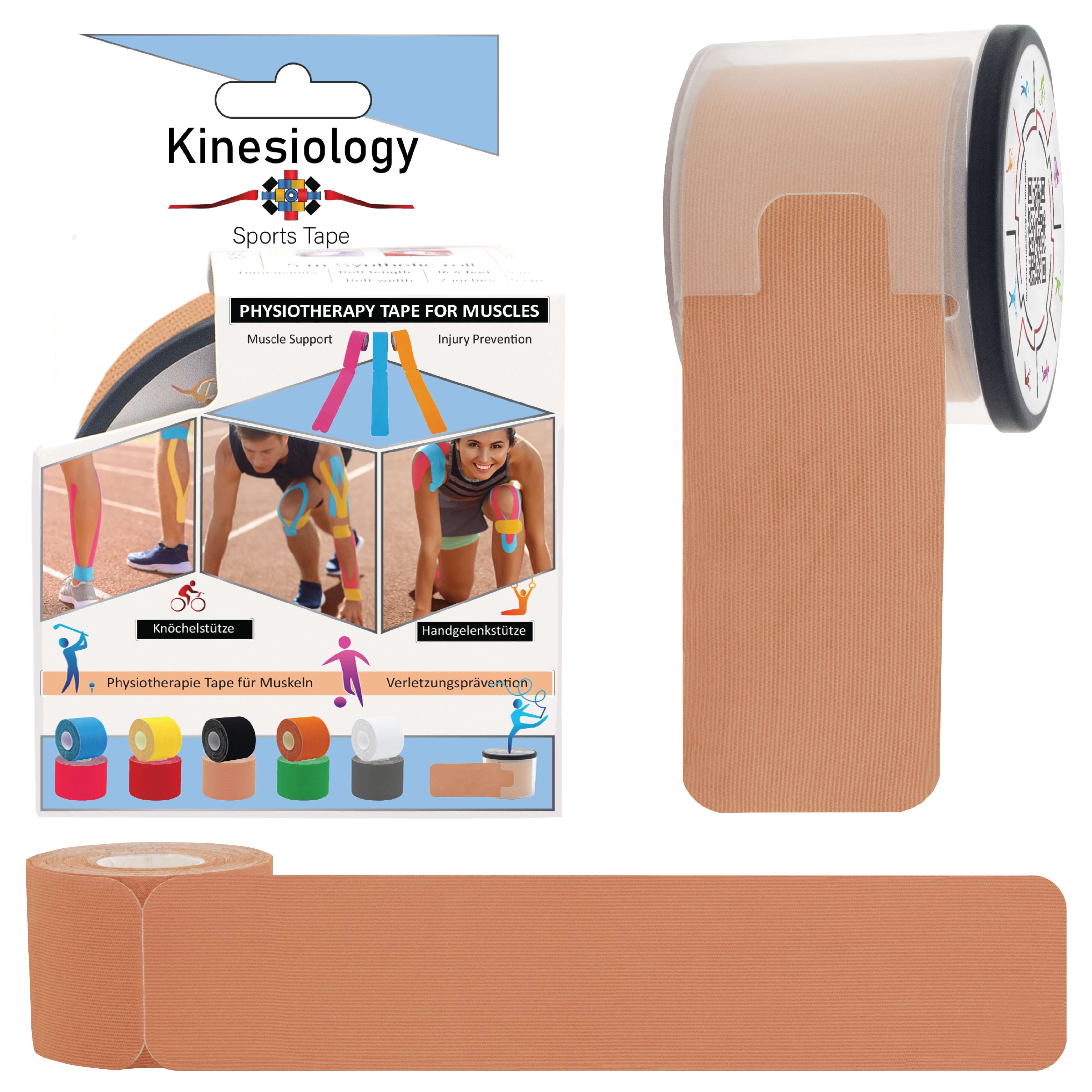
Beige or skin tone for everyday wear; any colour for short-term post-injury use.
BeigeShop the rangeRecovery tips beyond taping
- Elevate the limb above heart level for 20 minutes, 3 to 4 times daily.
- Ankle pumps and foot circles: 50 reps every hour for leg swelling, especially after flights or surgery.
- Cold compression in the first 48 hours for acute injuries.
- Walk regularly: the calf muscle pump is the most powerful drainage tool the leg has.
- Compression sock or sleeve for chronic lymphoedema or post-op cases (get fitted properly).
- Manual lymphatic drainage massage from a trained physio for stubborn lymphoedema.
When to see a physio or GP
See a GP urgently for sudden one-sided leg swelling with pain, warmth or redness (rule out DVT), swelling that comes with chest pain or shortness of breath, or any swelling lasting more than 2 weeks without obvious cause. Persistent post-surgical or post-cast swelling responds well to a physio’s manual lymphatic drainage protocol.
Frequently asked
Why such low tension (10 to 15%) on the fan strip?
Lymphatic drainage tape works through the skin lift, not mechanical compression. Higher tension would compress the very channels you’re trying to open.
Can I tape over a bruise?
Yes. The technique can help the bruise clear faster by improving lymphatic flow. Apply once the acute bleeding has stopped (24 to 48 hours after injury).
How long until swelling reduces?
Many people notice visible reduction within 24 to 48 hours of the first fan strip application. Persistent post-surgical swelling can take 2 to 4 weeks of repeated applications.
Can I use this for chronic lymphoedema?
Yes, often used alongside compression garments and manual drainage. Get guidance from a lymphoedema-trained physio for chronic cases: the application pattern matters.
Related post
22
Mar
21
Mar
21
Mar
05
Aug
Pain & Recovery Guides
Kinesiology Tape for Plantar Fasciitis: Complete Pain Relief and Recovery Guide
Read more
05
Aug