
Price :
QTY :
CART TOTALS :
There are items
in your cart
CART TOTALS :
With this products also buy:
Your shopping bag is empty
Go to the shop
Core & Postnatal Support
Kinesiology tape for diastasis recti recovery, abdominal muscle strain, oblique strain, post-surgical core support (caesarean, hernia repair) and rib muscle strain. A gentle adjunct — never a replacement for proper rehab.
An important note first: kinesiology tape does not close a diastasis, repair a hernia or fix a muscle tear. What it does well is support rehabilitation — giving the abdominal wall proprioceptive cueing, reducing the sensation of heaviness, and helping you re-engage the deep core through movement. This page covers six common abdominal conditions where tape is a useful tool alongside physiotherapy and progressive loading.
The linea alba — the connective tissue down the midline between the rectus abdominis muscles — stretches during pregnancy. In around two thirds of women a gap persists at six weeks postnatal. Symptoms range from cosmetic doming through to lower-back pain and pelvic-floor symptoms.
Tape pattern: Two vertical I-strips either side of the midline, applied with the gap drawn together by the hands, at 25% stretch. The tape provides a tactile cue to engage the transverse abdominis during daily movement. Pair with a programme from a postnatal physio — tape supports, it does not heal.
Muscle Strain Guide →Sudden sharp pain at the front of the abdomen during a sit-up, heavy lift, sneeze or sports rotation. Usually a Grade 1 to 2 strain of the rectus abdominis. Tender to touch and painful on resisted curl-up.
Tape pattern: Vertical I-strip over the painful zone at 15 to 25% stretch with the muscle on stretch (lying back over a rolled towel). Add a horizontal decompression strip across the most tender spot at 75% stretch in the middle.
Pain at the side of the waist on twisting, coughing or laughing. Common in rowers, golfers, racket-sport players, cricketers (especially fast bowlers) and after a sudden side-bend or fall. Sometimes called a “side strain”.
Tape pattern: Y-strip along the line of the external oblique, anchored at the lower ribs with tails fanning down toward the iliac crest at 25% stretch, applied with the trunk side-bent away from the painful side.
After caesarean section, hernia repair, laparoscopy or open abdominal surgery, the abdominal wall feels weak, heavy and disconnected. Once your surgeon clears taping (typically 2 to 6 weeks post-op, after wound closure), tape supports the core during the return to walking, lifting and exercise.
Tape pattern: Two gentle horizontal I-strips above and below the scar (never directly over a healing incision) at 15% stretch. Combine with diaphragmatic breathing and pelvic-floor activation. Always get surgical sign-off first.
Post-Surgical Rehab Guide →Tape does not treat or fix a hernia. Inguinal, umbilical and incisional hernias need surgical assessment. What tape can offer, with your GP or surgeon’s knowledge, is a supportive cue during the wait for surgery or after repair — reducing the dragging sensation and reminding you not to bear down. Never use tape as a reason to delay a hernia review.
Tape pattern: Gentle horizontal I-strip across the abdomen, well clear of any visible bulge, at 15% stretch. If the hernia changes shape, becomes painful, dark or you cannot push it back — remove the tape and seek urgent medical care.
Sharp pain between the ribs on breathing in deeply, coughing, sneezing or twisting. Common after a hard cough (post-flu), heavy carrying, golf or rowing. Distinct from a rib fracture — an intercostal strain hurts on movement but the rib itself isn’t tender to direct pressure.
Tape pattern: Horizontal I-strips along the rib spaces (intercostal direction) at 25% stretch, applied with the patient side-bent away from the painful side and exhaling. Two or three parallel strips covering the painful zone.
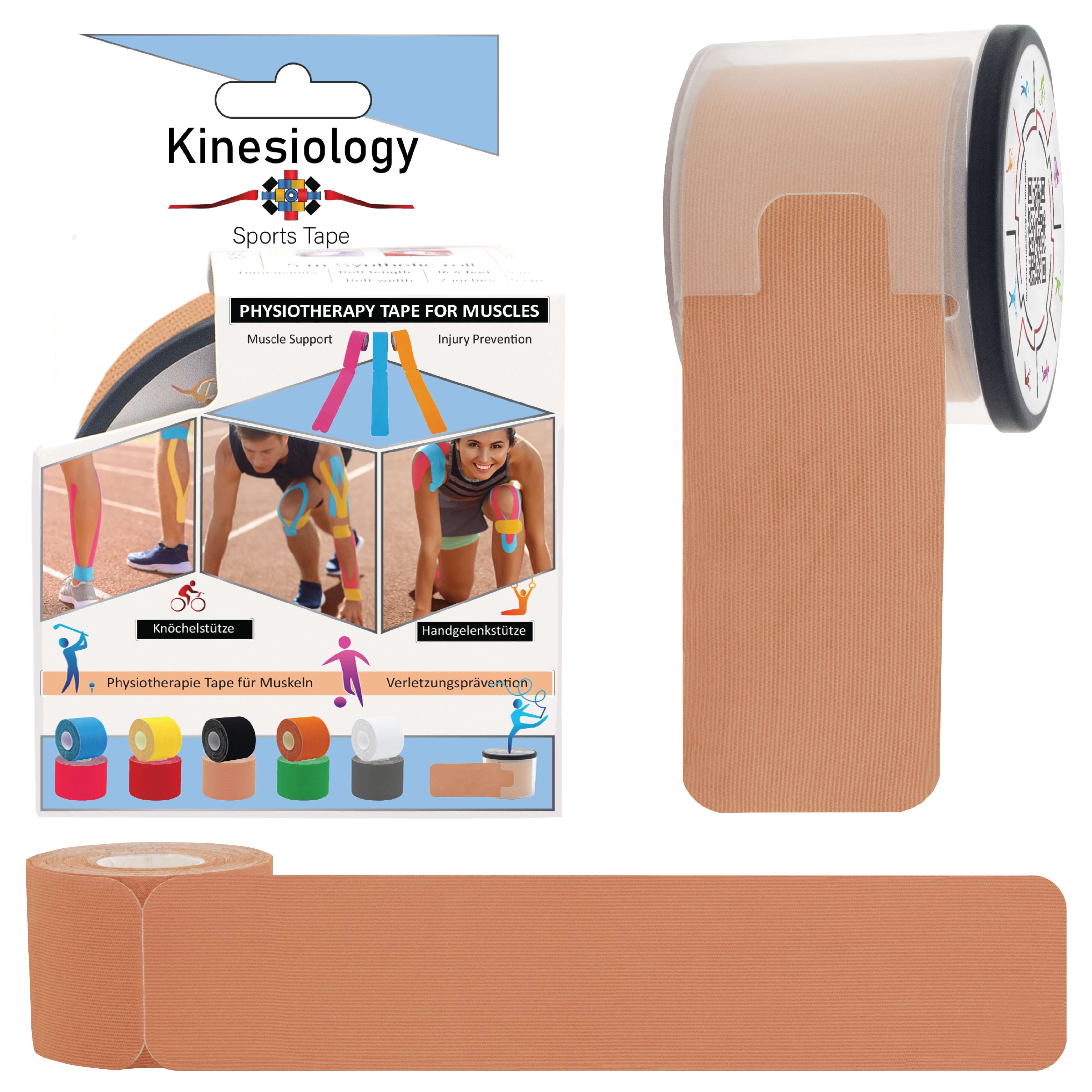
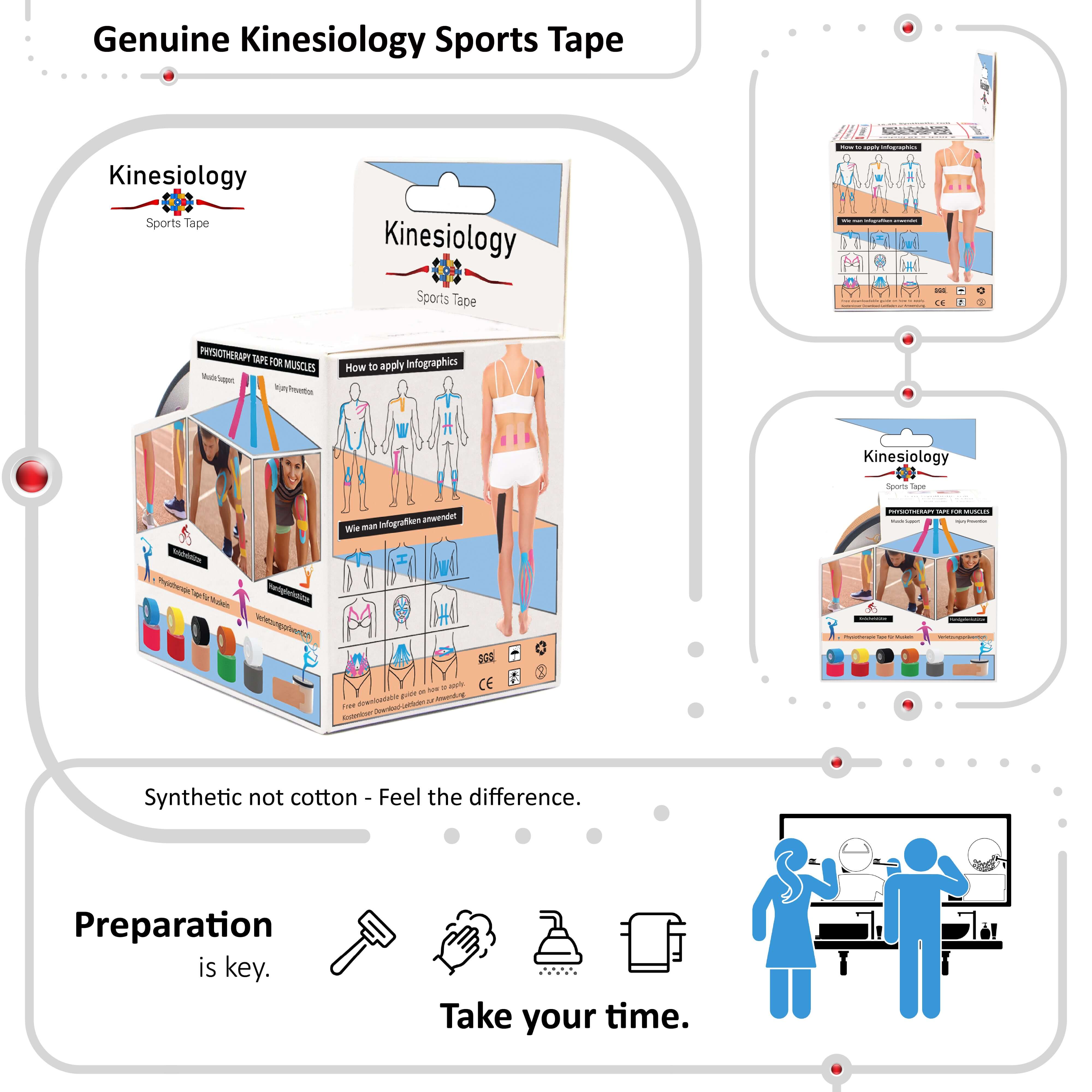
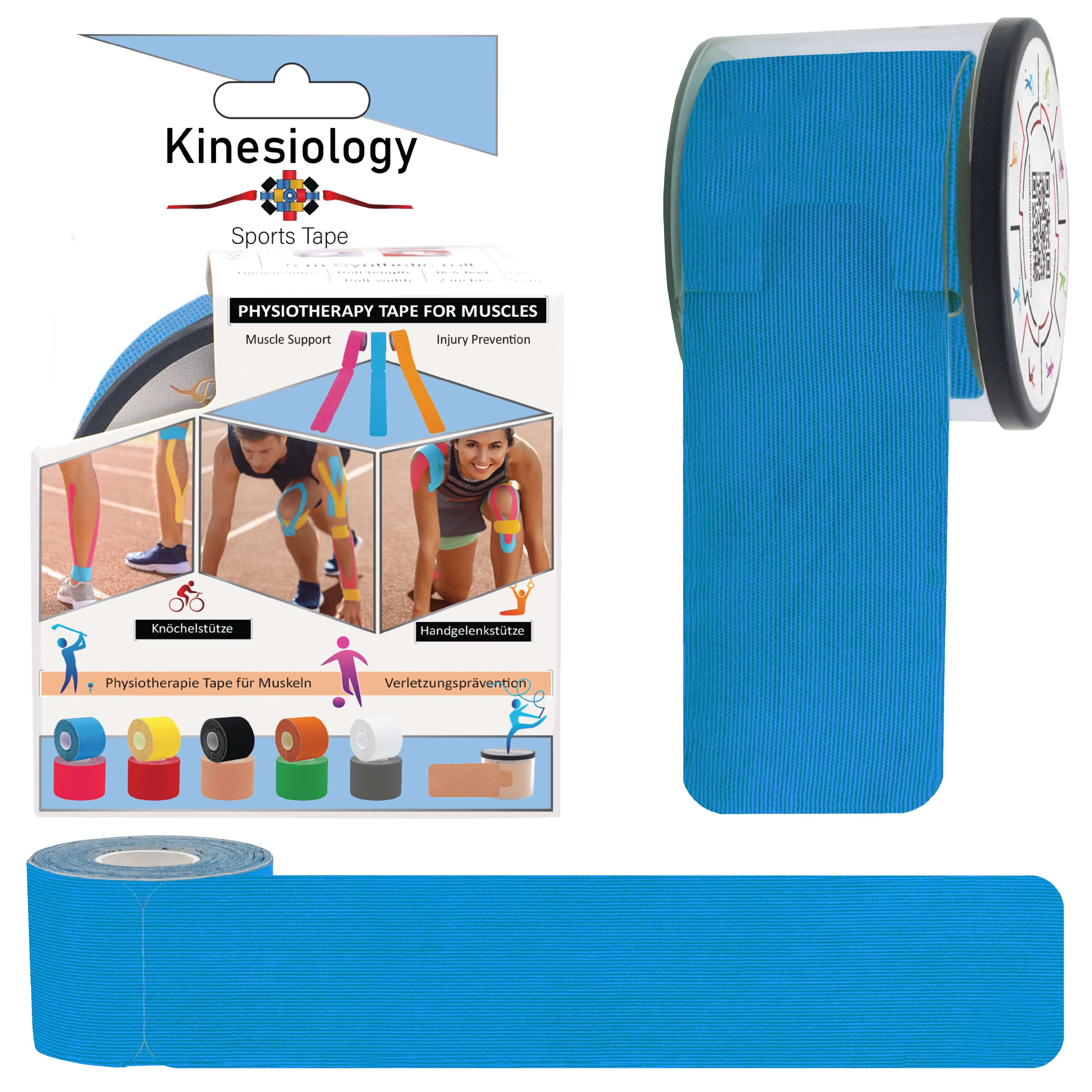
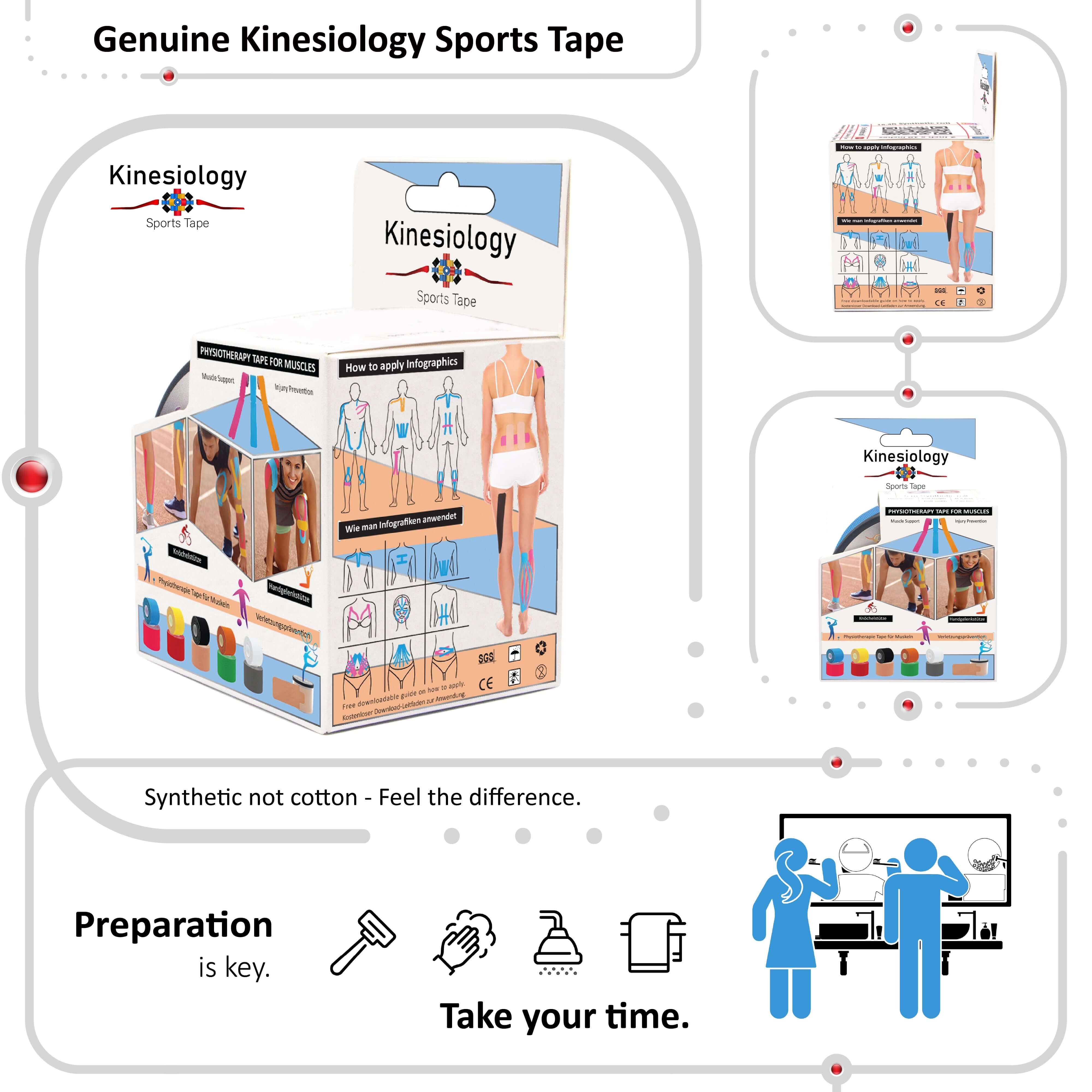
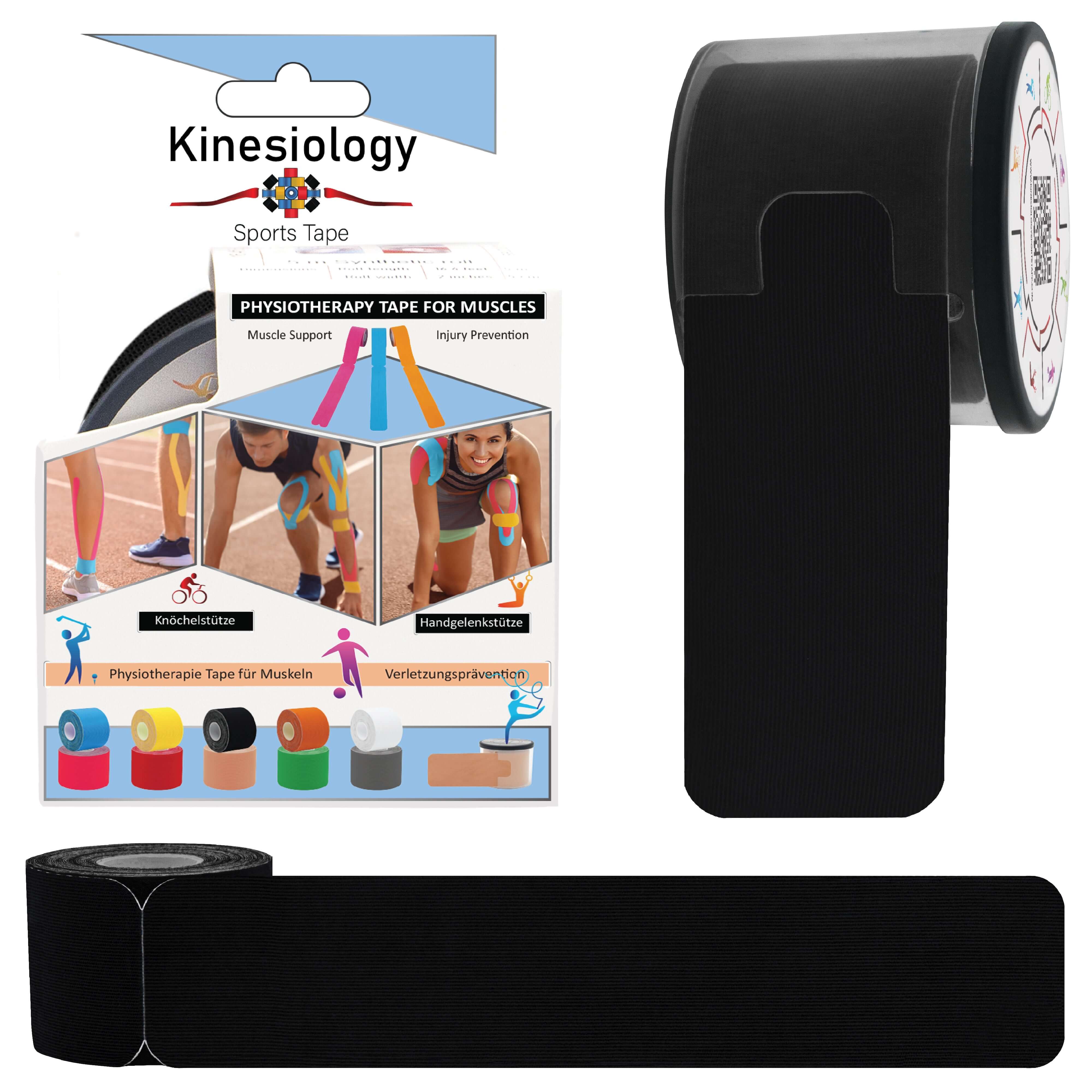
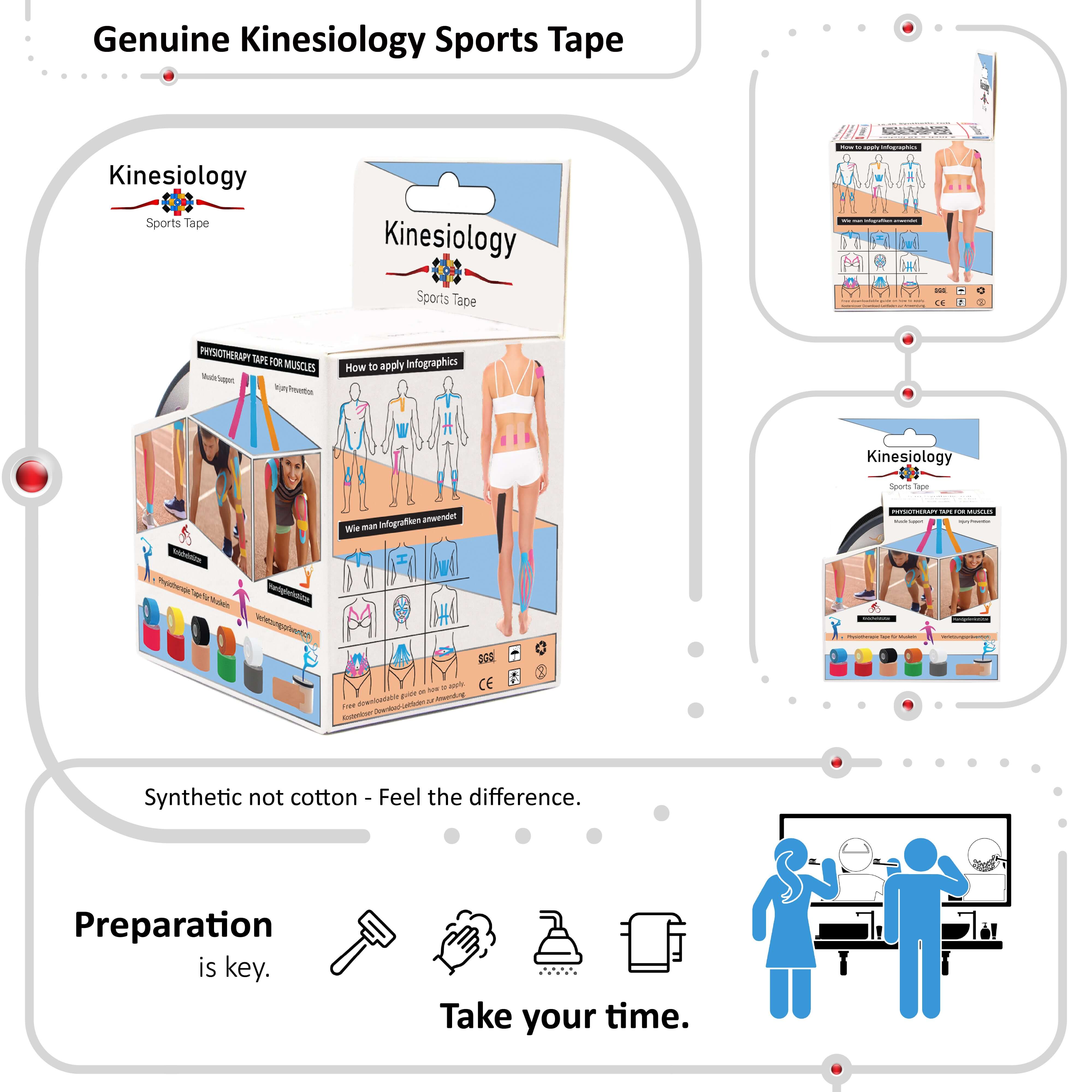
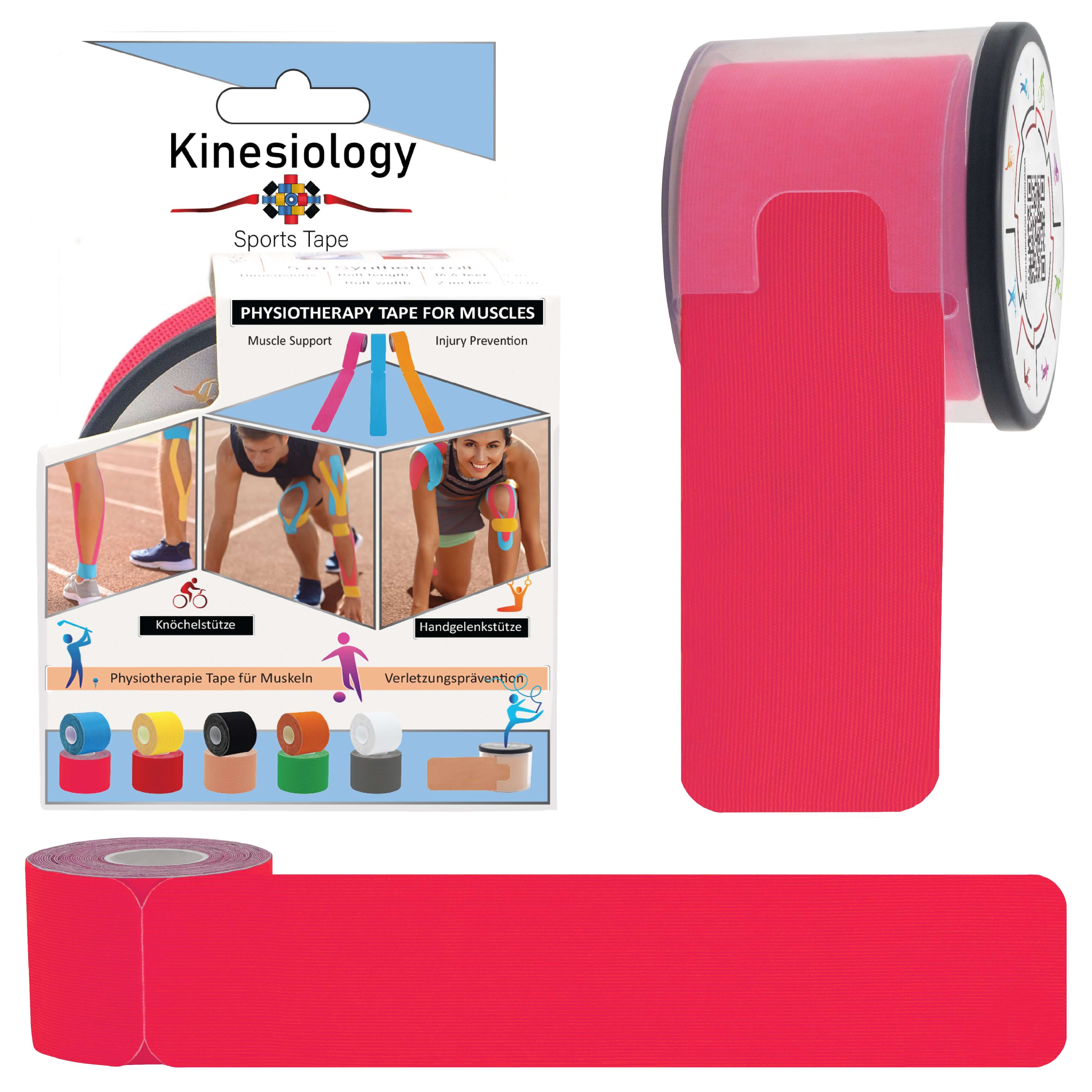
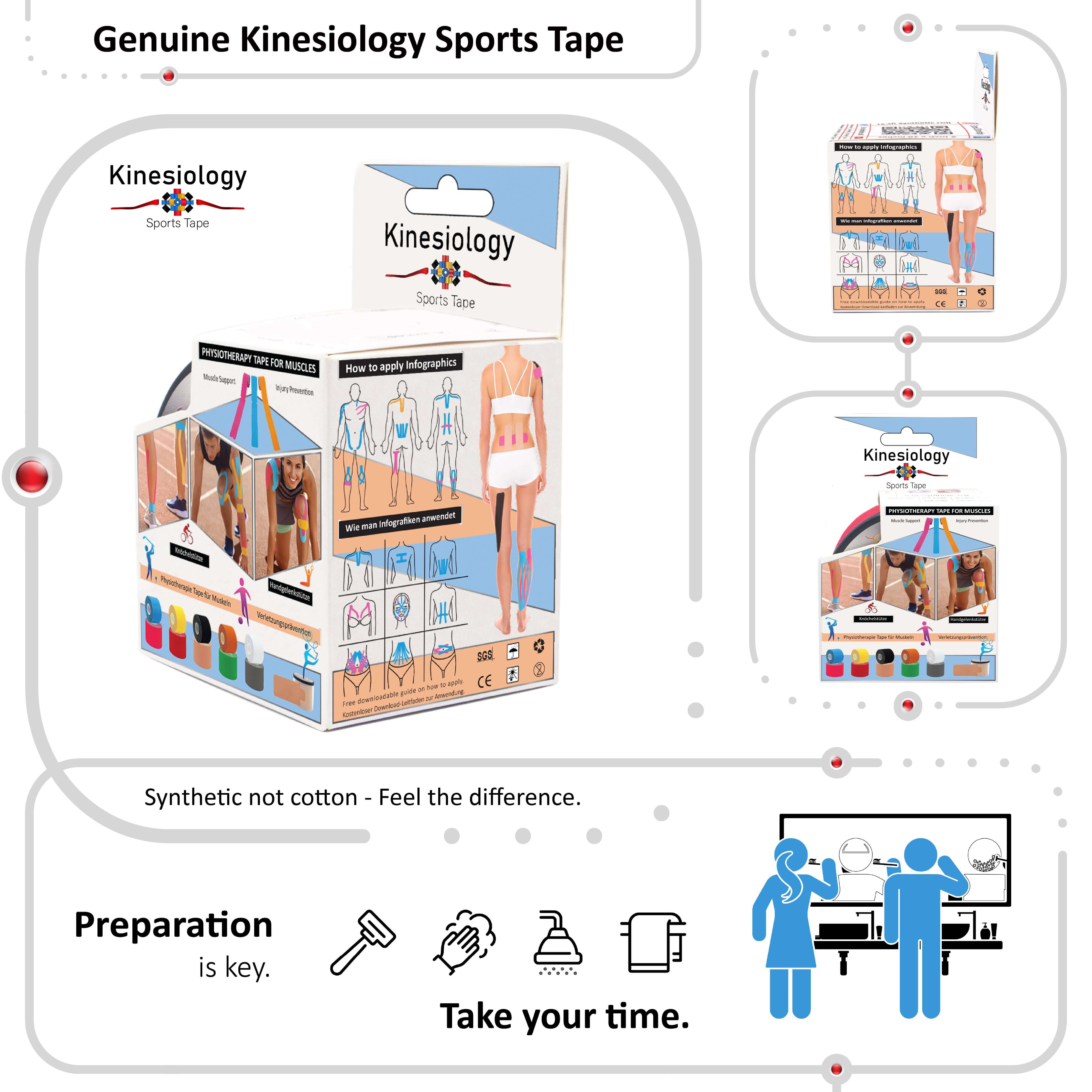
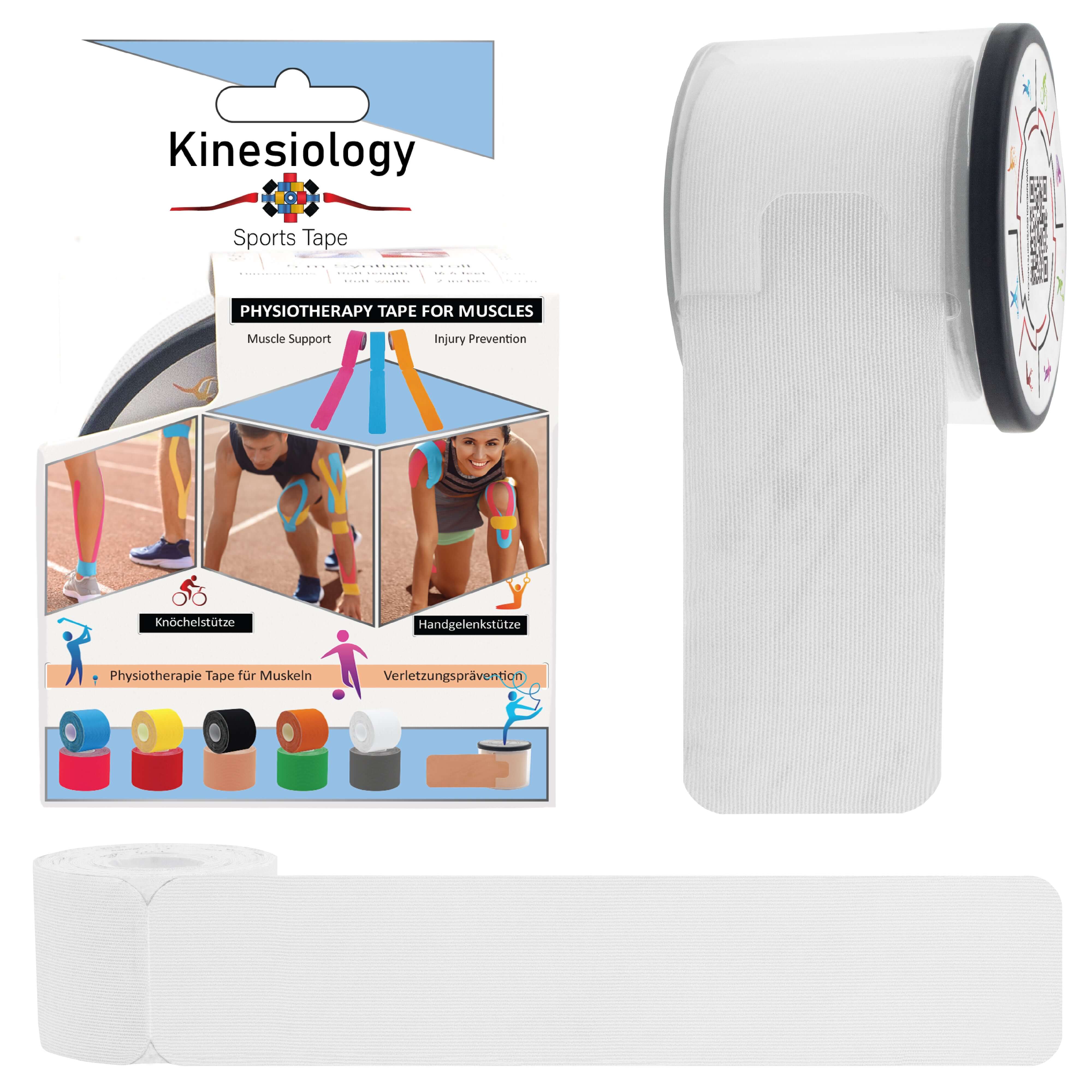
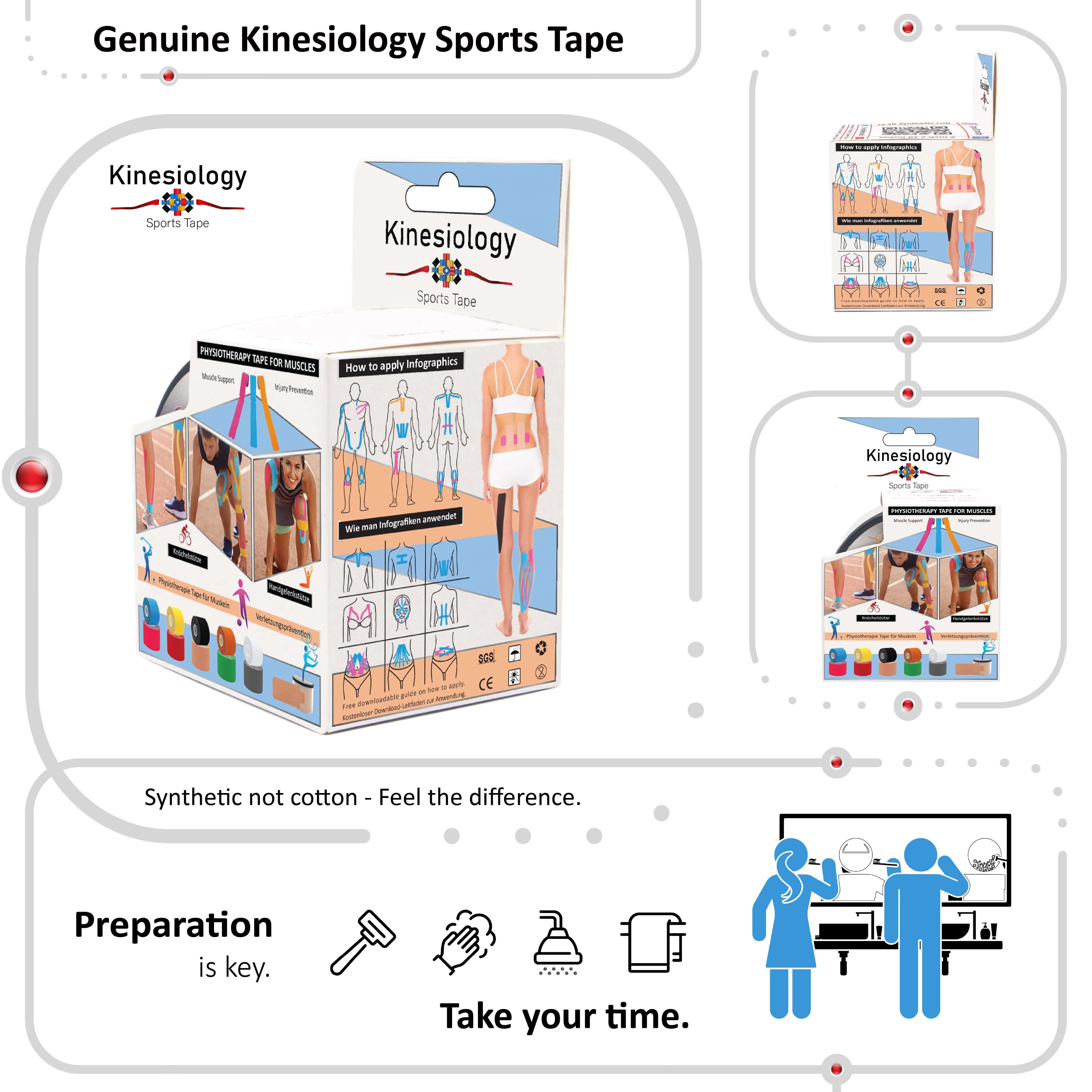
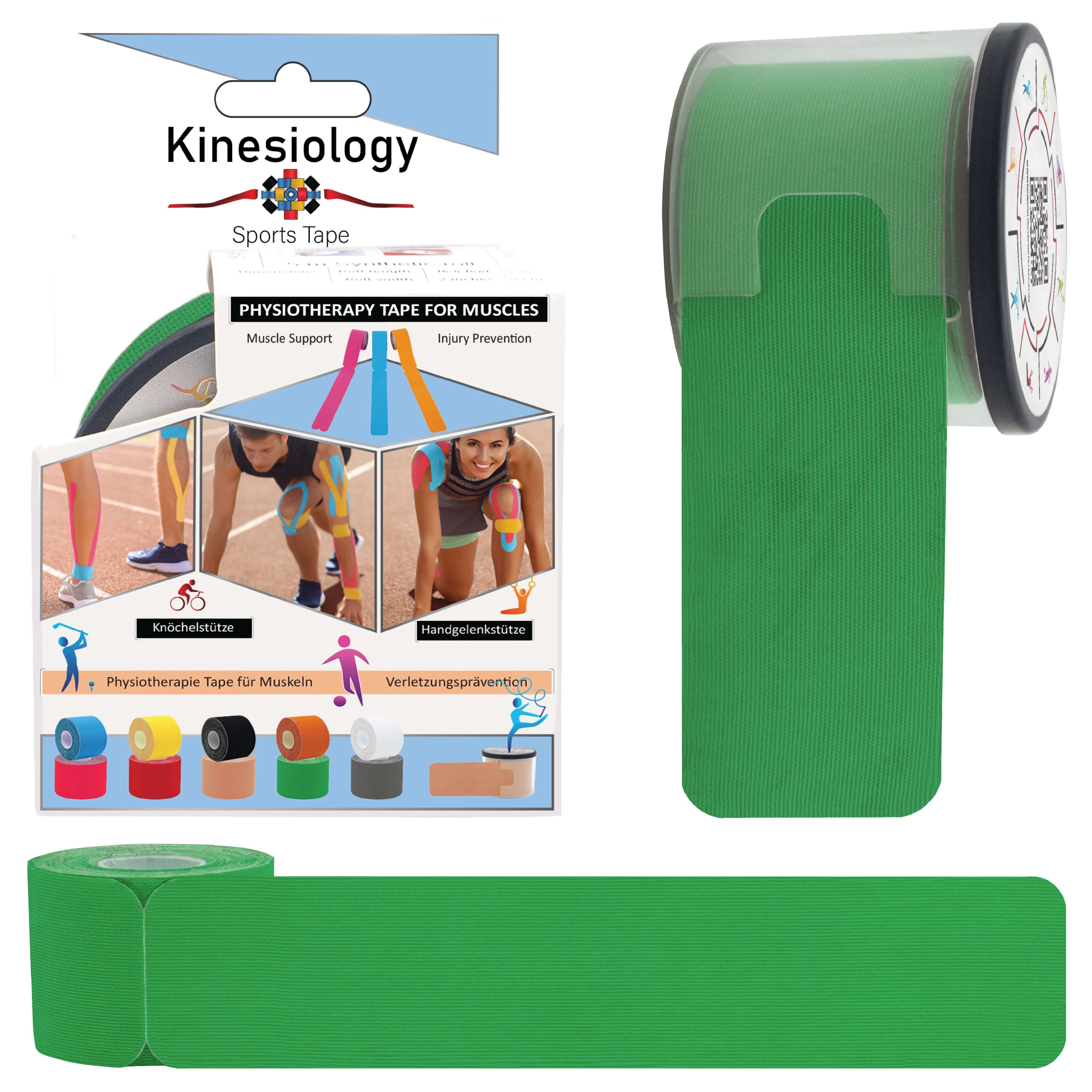
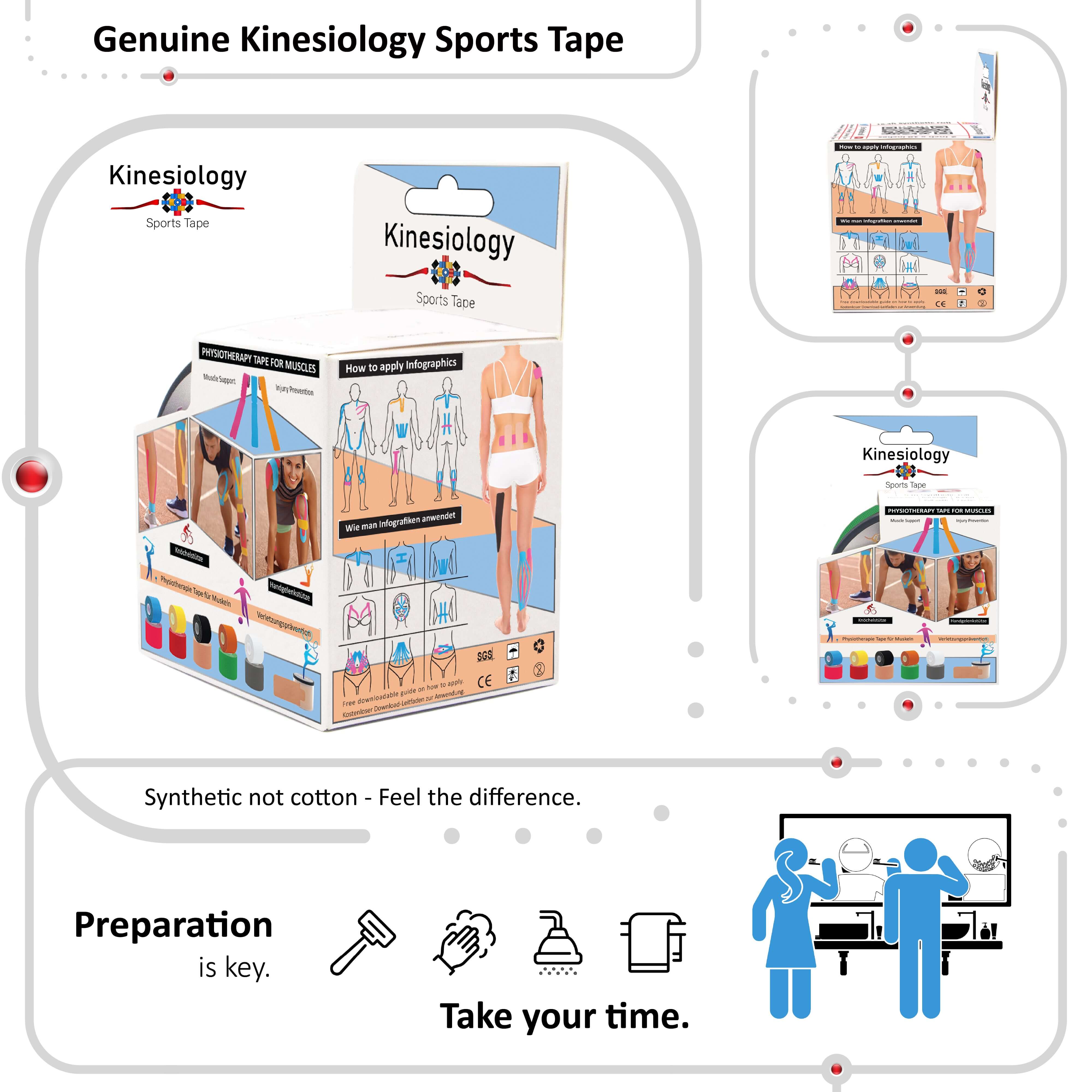
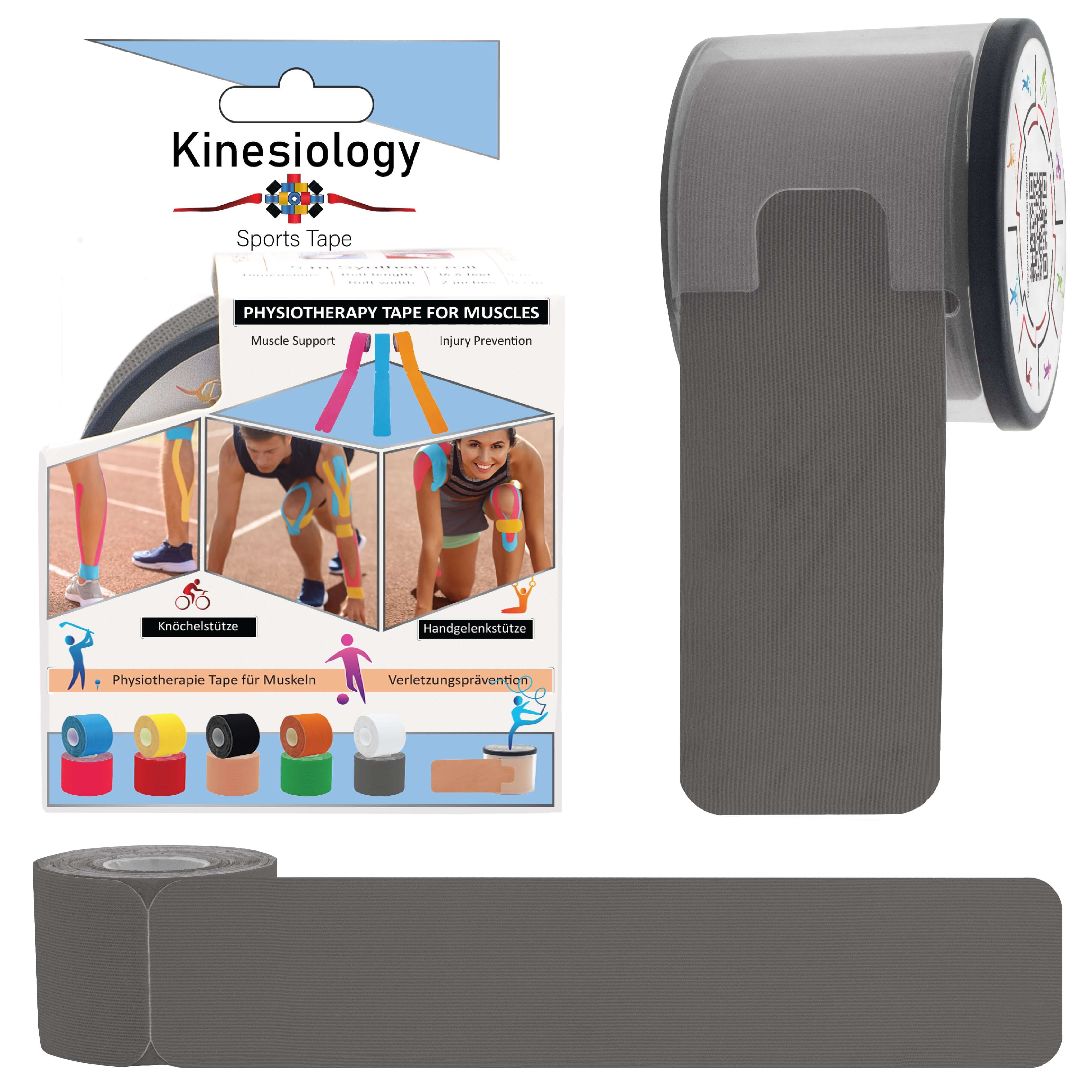
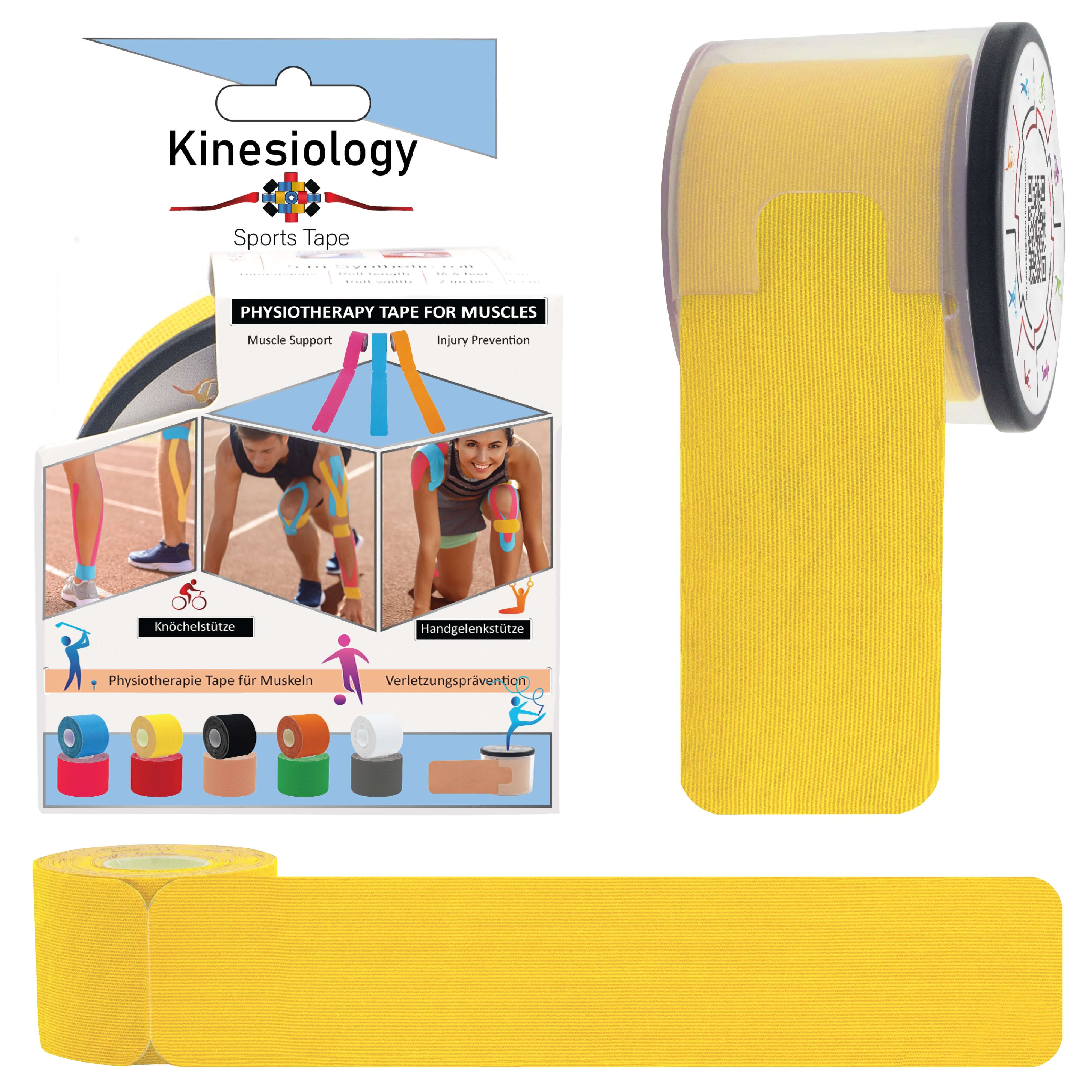
Our pre-cut 5cm × 25cm strips are ideal for postnatal and core work — long enough for vertical midline patterns. Hypoallergenic adhesive is gentle on healing skin.
From £3.99 per pack
Shop 10 Plain ColoursShop Talisman DesignsThree uses, all supportive. First, proprioception — the tape reminds you the abdominal wall exists. After abdominal surgery or pregnancy, women in particular describe a “disconnect” from their core. The gentle skin pull cues the transverse abdominis to fire during walking, lifting and standing. Second, decompression and circulation — over a strained muscle or bruised area, the convolutions improve blood flow and lift the skin off irritated tissue, easing pain. Third, postural cueing — for diastasis especially, tape discourages the doming posture (chin jutted, ribs flared, belly pushed forward) and encourages a stacked, breathing-friendly alignment.
Crucially, tape is part of a programme — not the programme itself. The recovery section below is where the real work happens.
Generally yes, with your midwife’s knowledge. Many physios use it for lower back support, bump support and pelvic girdle pain during pregnancy. Avoid the abdomen itself in the first trimester. See our pregnancy taping page for details.
No. Tape does not close a diastasis. It supports the rehabilitation process by cueing better posture and core engagement. The closure work is done through breathing, transverse abdominis training and progressive loading — ideally guided by a postnatal physio.
Get your surgeon’s clearance — typically 4 to 6 weeks once the scar has fully closed. Never tape directly over a healing or still-scabbed incision. Tape goes above and below the scar, never on it.
No. A hernia needs surgical assessment. Tape can offer gentle support during the wait for surgery or after repair, but should never delay seeing a GP. Any sudden pain, colour change or inability to reduce a hernia is an emergency.
Up to 7 days. The tape is waterproof for showering and gentle exercise. Remove immediately if you notice itching, redness or any skin reaction.
Absolutely — for sports strains, post-surgical recovery and rectus/oblique support. Postnatal patterns aren’t relevant, but the muscle-strain and post-operative patterns apply equally.
Browse all 19 taping guides
From neck pain to ankle sprains, step-by-step guides for every common condition.
All Pain Guides →