
RECENT POSTS

22.March.2026
Kinesiology Tape for Knee Pain: Complete Relief Guide for Athletes and Active Individual
0 Comments
21.March.2026
Kinesiology Tape for Knee Pain: Complete Relief Guide for Athletes and Active Individuals
0 Comments
21.March.2026
Kinesiology Tape Benefits: Complete Guide to Uses, Applications, and Therapeutic Effects
0 Comments
05.August.2025
Kinesiology Tape for Plantar Fasciitis: Complete Pain Relief and Recovery Guide
0 CommentsNeck Pain Kinesiology Tape Guide: Trapezius & Posture Support
60-Second Taping Guide
Neck Pain & Tech-Neck Tension
Pre-cut kinesiology tape to relax the upper trapezius, cue a longer neck and ease desk-work tension.
What causes neck pain?
Most everyday neck pain is mechanical. The upper trapezius and levator scapulae become tight and overactive from sustained forward-head posture (looking down at a phone or laptop), prolonged sitting, stress-related shoulder hiking, or sleeping in a poor position. Pain typically sits at the top of the shoulders, the side of the neck, and can refer up into the base of the skull producing tension headaches.

Common causes
- Forward-head posture from phones, laptops and driving (“tech neck”)
- Sleeping with too many or too few pillows
- Stress and breath-holding causing chronic shoulder elevation
- Weak deep neck flexors and mid-back muscles
- Sudden movements: whiplash, awkward sleep
How kinesiology tape helps neck pain
Tape applied along the upper traps with the tape stretched and the neck side-bent away gives an inhibition effect. The overactive trap muscle gets a proprioceptive cue to relax. A second strip on the back of the neck cues better posture. Many desk workers notice less afternoon tightness and fewer end-of-day tension headaches from consistent taping.
How to apply: upper trapezius release


01
Prep
Tilt head AWAY from painful side. Clean dry skin.
02
Strip 1
Anchor at base of skull. Lay along upper trap to the shoulder tip at 25% stretch.
03
Strip 2
Anchor on opposite shoulder blade. Run diagonally across upper back to first anchor at 50% stretch.
04
Activate
Rub firmly 30 seconds. Sit upright. Feel the postural cue.
Whiplash or severe acute pain needs assessment first. See a physio or GP if pain follows a road traffic accident, fall, or sudden trauma, or if you have arm numbness, weakness or pins and needles.
Best Tape For This
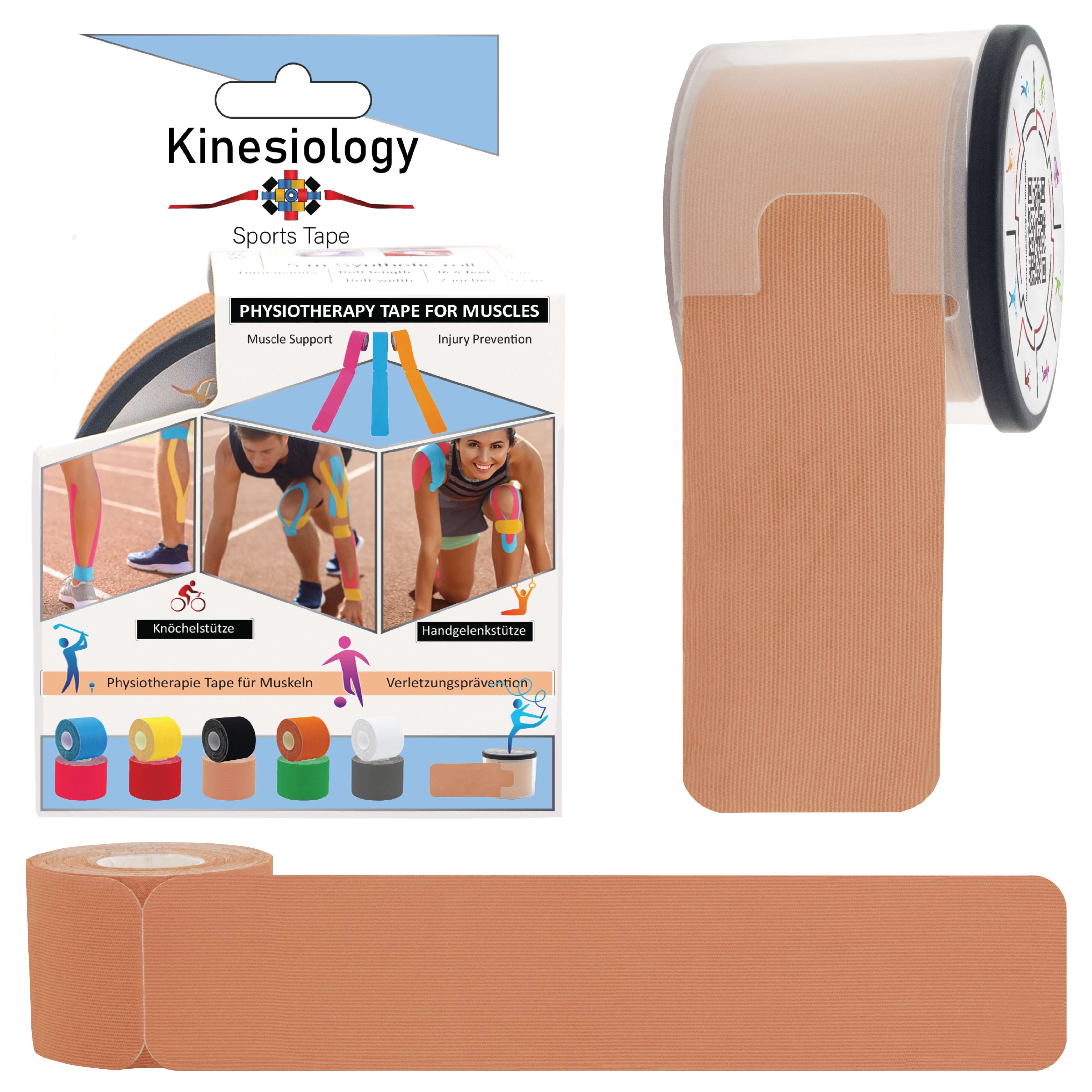
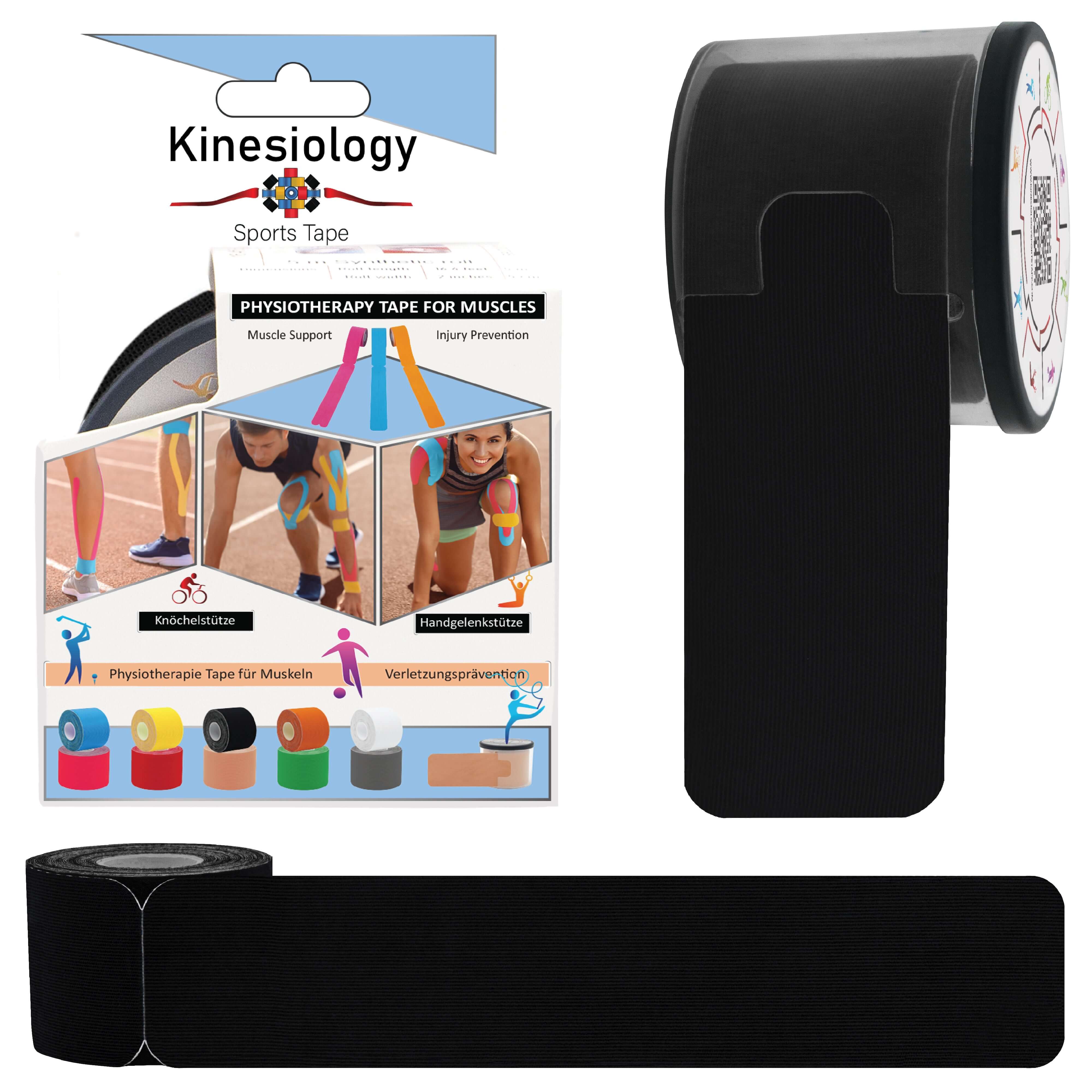
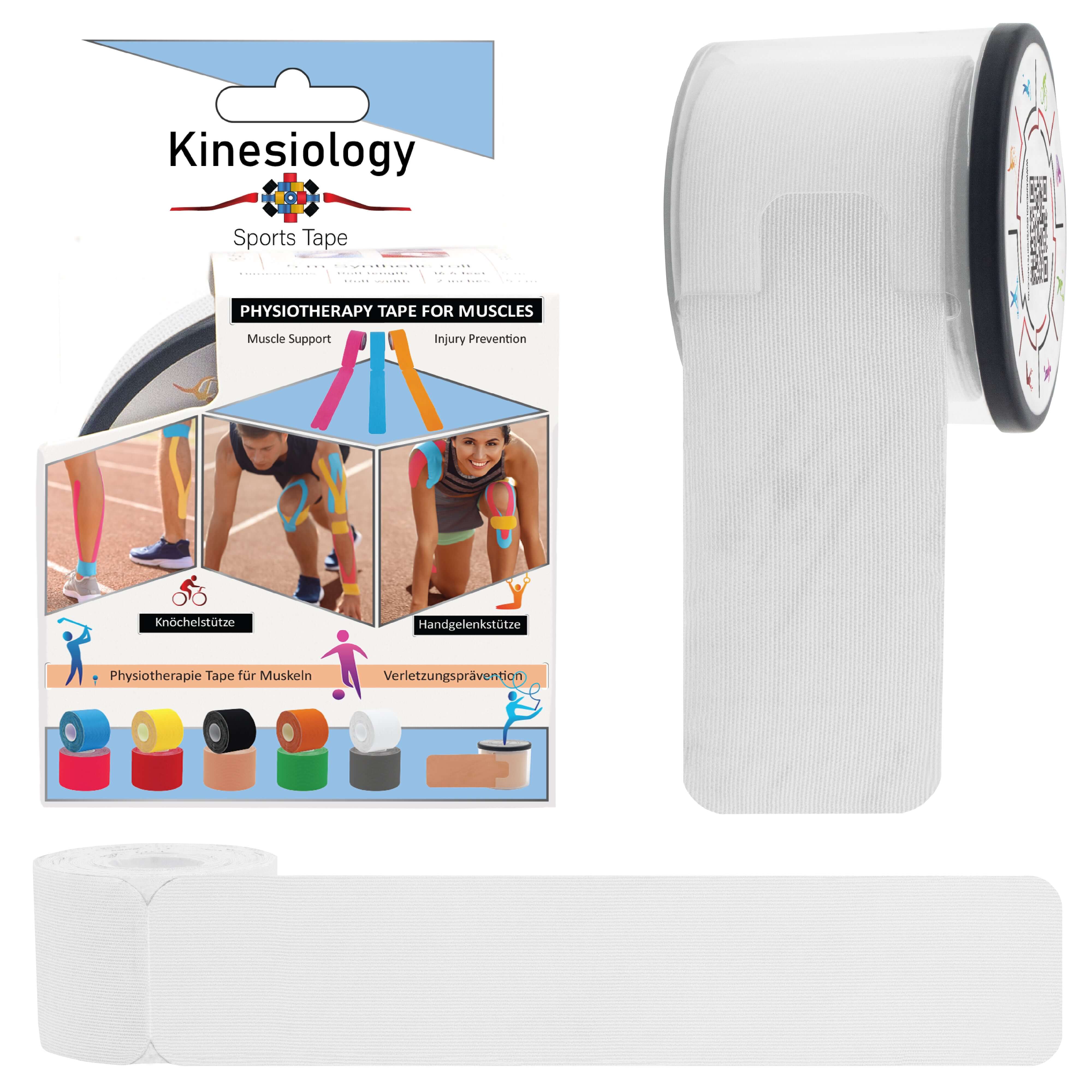
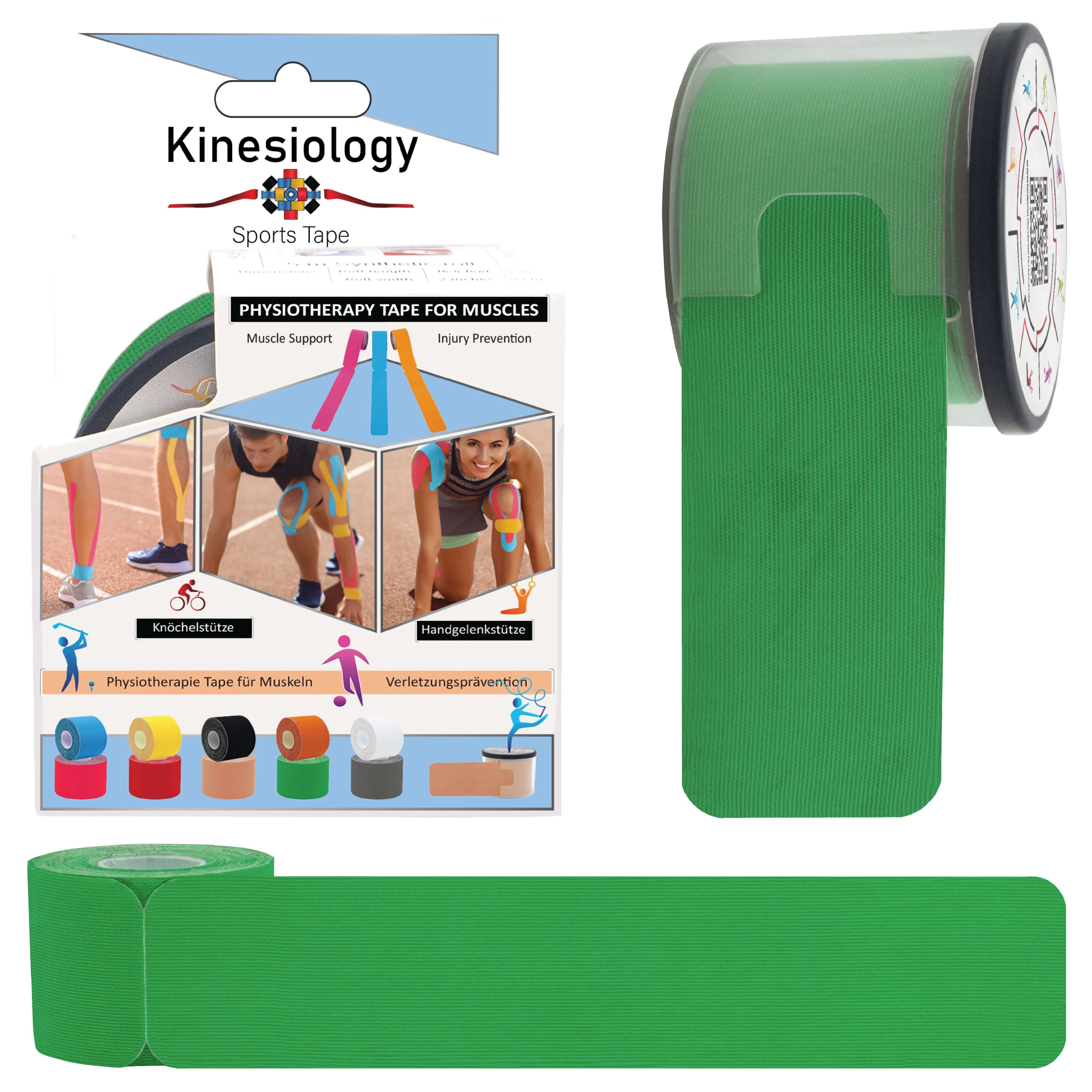
Beige for office discretion. Black if it will show above the collar.
BeigeShop the rangeRecovery tips beyond taping
- Chin tucks: 10 reps every hour. Pull chin straight back, don’t tilt up or down.
- Doorway pec stretch: 30 seconds each side, 3 times daily. Opens up the chest.
- Scapular squeezes: 3 × 15 daily. Pull shoulder blades down and back.
- Raise the monitor to eye level: the single biggest desk-ergonomics fix.
- Switch pillow: it should support the curve of the neck, head level with shoulders.
- Phone holding: bring the screen up to eye level, don’t drop the head.
When to see a physio or GP
See a GP urgently for any neck pain with arm or hand numbness or weakness, severe headache, visual changes, or following trauma. See a physio if regular desk-work tension doesn’t improve after 4 to 6 weeks of self-management.
Frequently asked
Can I wear the tape under work clothes?
Yes. Beige is barely visible under a thin shirt. Tape stays put through showering and sweat.
How often should I re-tape?
Every 5 to 7 days, or sooner if edges lift. Most office workers replace weekly.
Will tape fix tech-neck on its own?
No. It cues better posture, but you also need the strength work and ergonomic fixes. Tape buys you the comfort to do the rehab.
Can the tape help tension headaches?
Often yes, particularly headaches that start at the base of the skull and refer forward. The relaxation of the upper traps reduces the referral pattern.
Related post
22
Mar
21
Mar
21
Mar
05
Aug
Pain & Recovery Guides
Kinesiology Tape for Plantar Fasciitis: Complete Pain Relief and Recovery Guide
Read more
05
Aug