RECENT POSTS

21.March.2026
Kinesiology Tape Benefits: Complete Guide to Uses, Applications, and Therapeutic Effects
0 CommentsKinesiology Tape For Scar Tissue
Scars are a natural part of the healing process, but sometimes they can be raised, itchy, or painful. Kinesiology tape has emerged as a popular option for scar management, but is it truly effective? This blog dives into the potential benefits and considerations surrounding kinesiology tape for scar tissue.

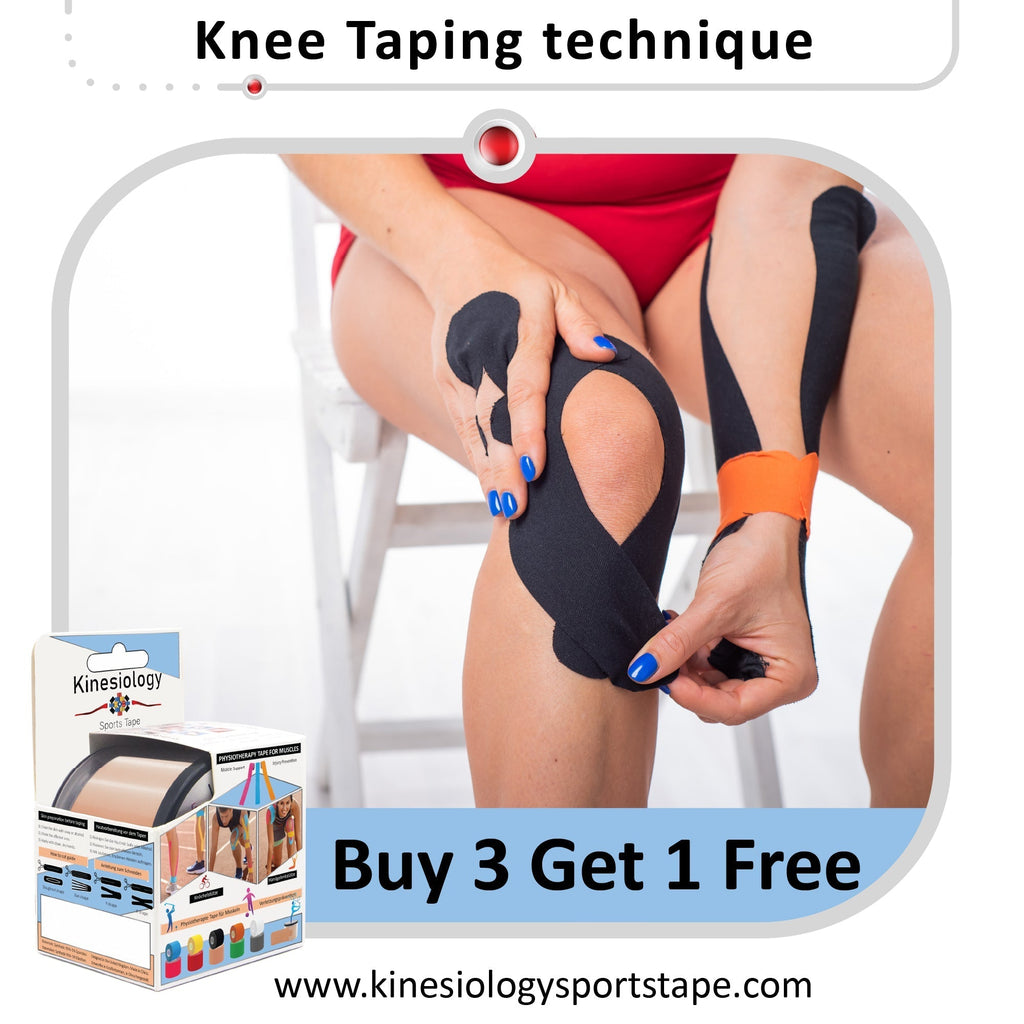
3 rolls for £14.97, delivered free
Pre-cut 20 strips with a dispenser box. Beige shown — see all colours & designs. £4.95 delivery on 1 or 2 rolls.
Understanding Scar Tissue:
Scar tissue is a fibrous tissue that forms during the healing process after an injury, surgery, or burns. While essential for wound closure, scar tissue can sometimes become hypertrophic (raised) or keloid (excessively raised and spreading beyond the original wound). These types of scars can cause discomfort, tightness, and limit movement.
Kinesiology Tape for Scar Management:
The theory behind using kinesiology tape for scar tissue is that it can:
- Improve circulation: By potentially lifting the skin slightly, kinesiology tape may enhance blood flow to the scar tissue area. This increased circulation could promote healing and reduce inflammation.
- Reduce tension: Kinesiology tape application can create a gentle lifting effect, potentially reducing tension on the scar tissue, which may decrease discomfort and improve flexibility.
- Sensory input: Kinesiology tape can stimulate sensory receptors in the skin surrounding the scar. This stimulation may help reduce pain perception and improve proprioception (body awareness) in the affected area.
Research and Effectiveness:
Studies on the effectiveness of kinesiology tape for scar management are ongoing and show mixed results. Some research suggests potential benefits like reduced scar height, improved scar color, and decreased pain. However, other studies haven't found significant differences compared to a placebo.
Important Considerations:
- Scar maturity: Kinesiology tape may be more effective for newer scars (less than a year old) that are still flexible.
- Combination therapy: Kinesiology tape is often used in conjunction with other scar management techniques like massage therapy or silicone gel sheets.
- Consult a healthcare professional: Before using kinesiology tape for scar tissue, consult a healthcare professional to discuss your specific case and determine if it's an appropriate approach for you.
How to Apply Kinesiology Tape for Scars:
There are various application techniques, but a common approach is the "I-Strip" application:
- Clean and dry the area: Ensure the skin around the scar is clean and dry for optimal tape adhesion.
- Relax the muscle: If the scar is near a muscle, relax the muscle before application.
- Apply with no tension: Apply a strip of kinesiology tape alongside the scar with minimal to no tension. You can round the corners of the tape for better comfort.
The Takeaway:
While the research on kinesiology tape for scar management is evolving, it offers a potentially helpful tool alongside other scar management techniques. Consulting a healthcare professional and using proper application techniques are crucial for maximizing potential benefits.
Tape used in this guide
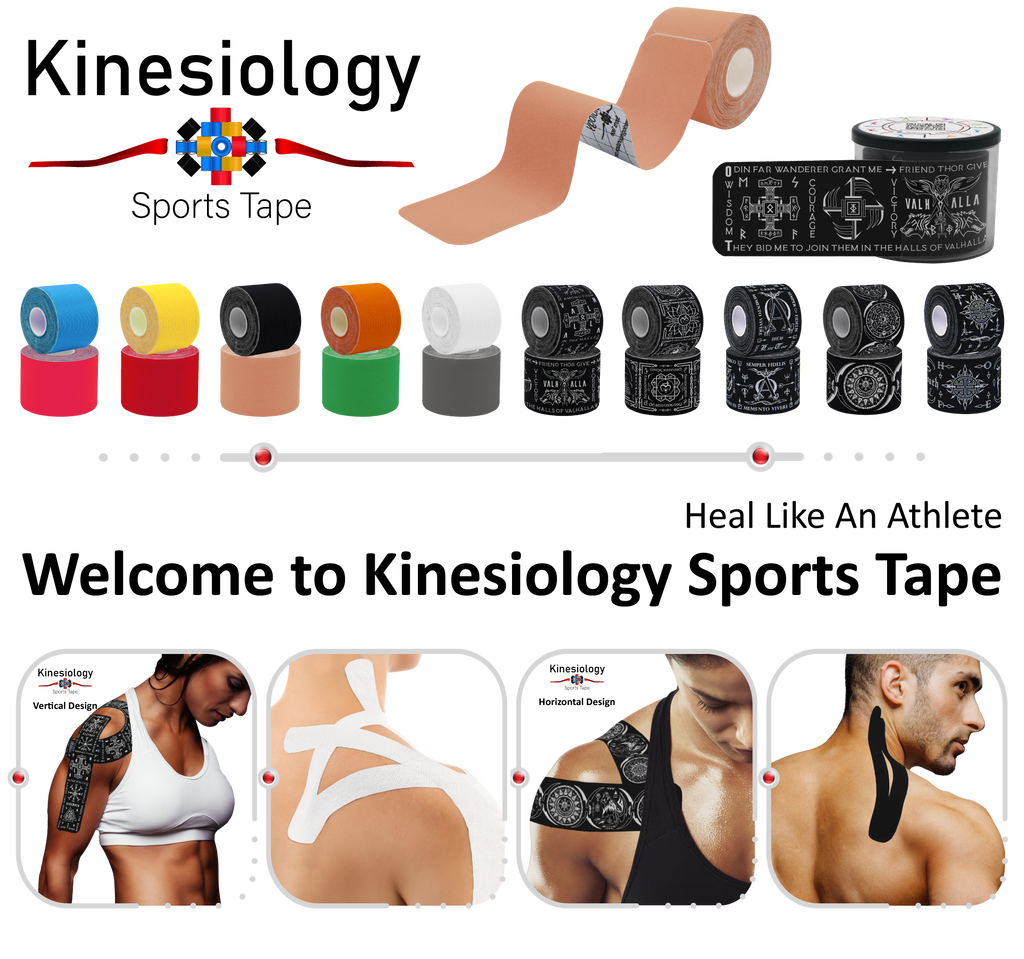
Pre-cut 20 strips with a dispenser box. 3 rolls for £14.97, delivered free — 6 for £22.99 delivered. Free UK delivery on 3 rolls or more, £4.95 on 1 or 2.
See all 26 colours and designs →


Not sure which to buy? Read the UK buyer’s guide · Mix colours and designs on the counter
Related post
21
Mar