
RECENT POSTS


22.March.2026
Kinesiology Tape for Knee Pain: Complete Relief Guide for Athletes and Active Individual
0 CommentsPosture Correction Kinesiology Tape Guide: Desk-Worker Upper Back Support
60-Second Taping Guide
Posture Correction & Desk Worker Tape
Pre-cut kinesiology tape applied as an X across the upper back: it pulls when you slouch and reminds you to sit tall.

3 rolls for £14.97, delivered free
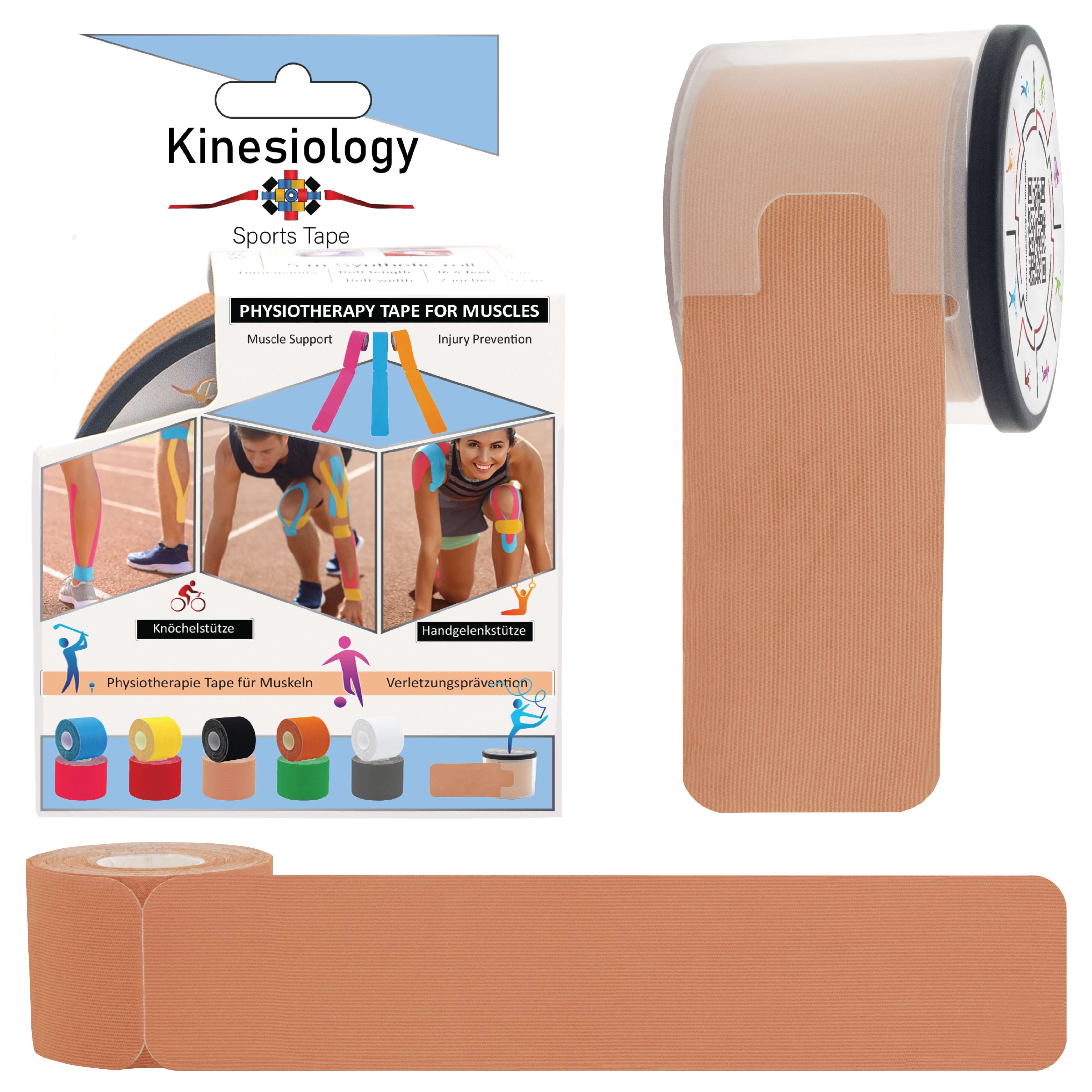
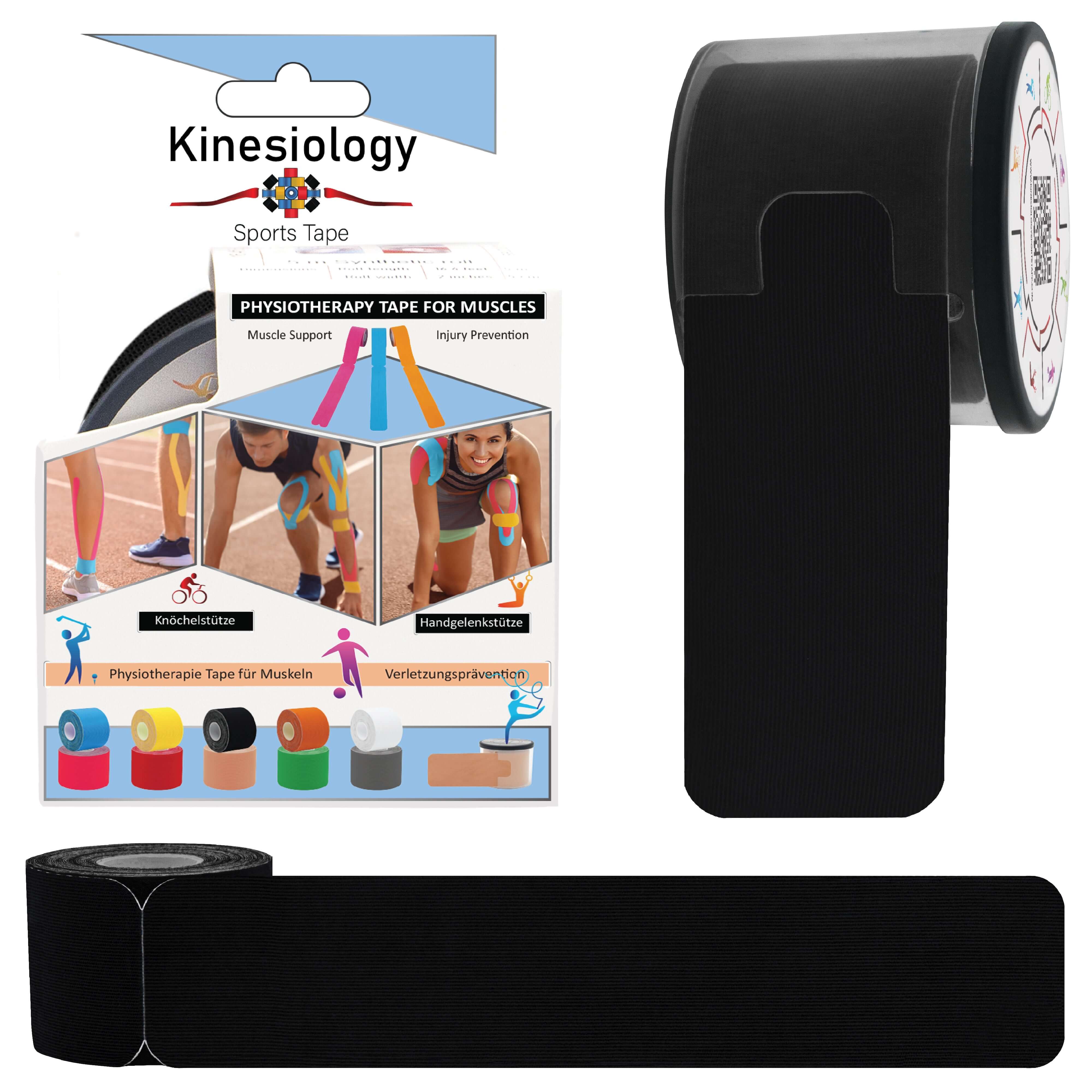
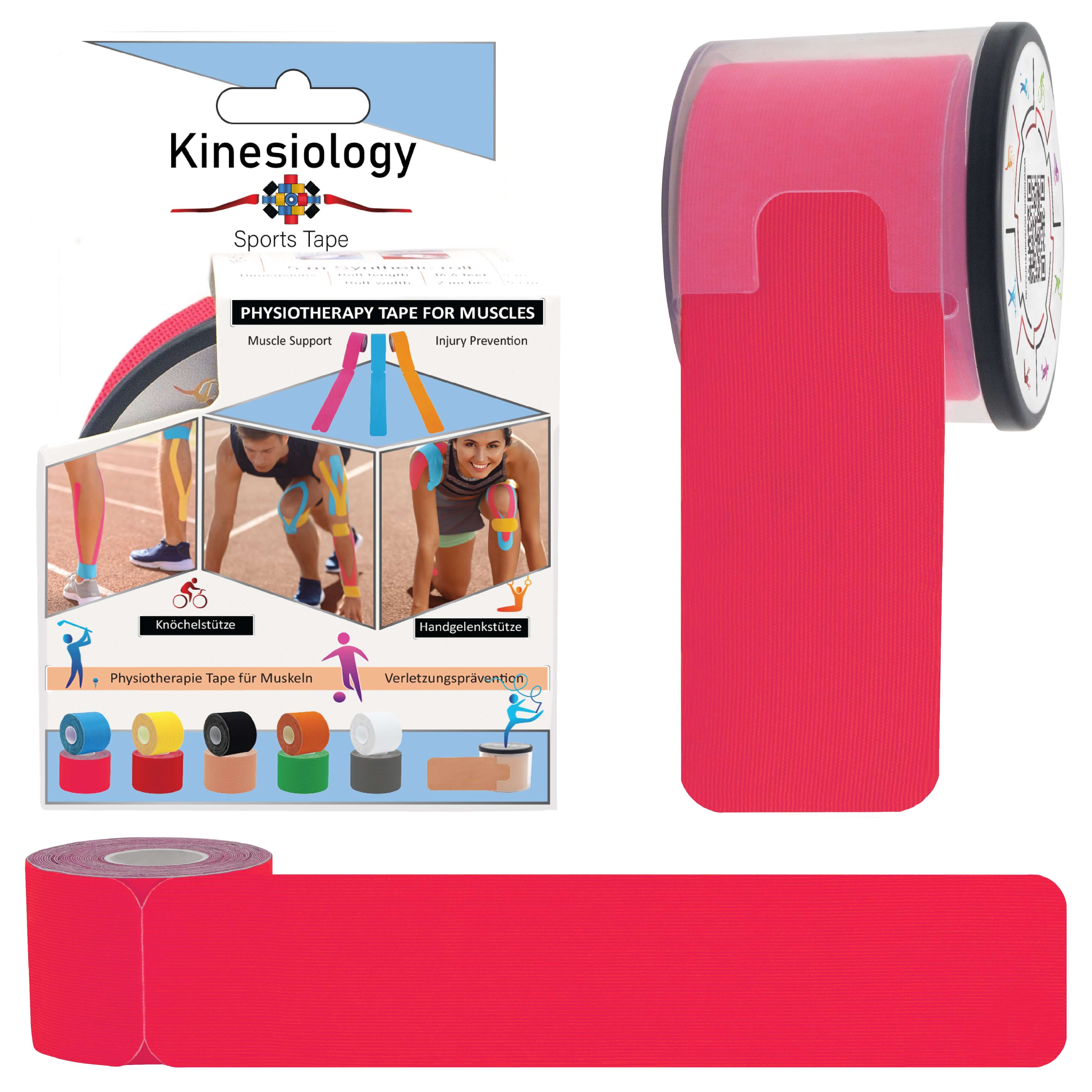
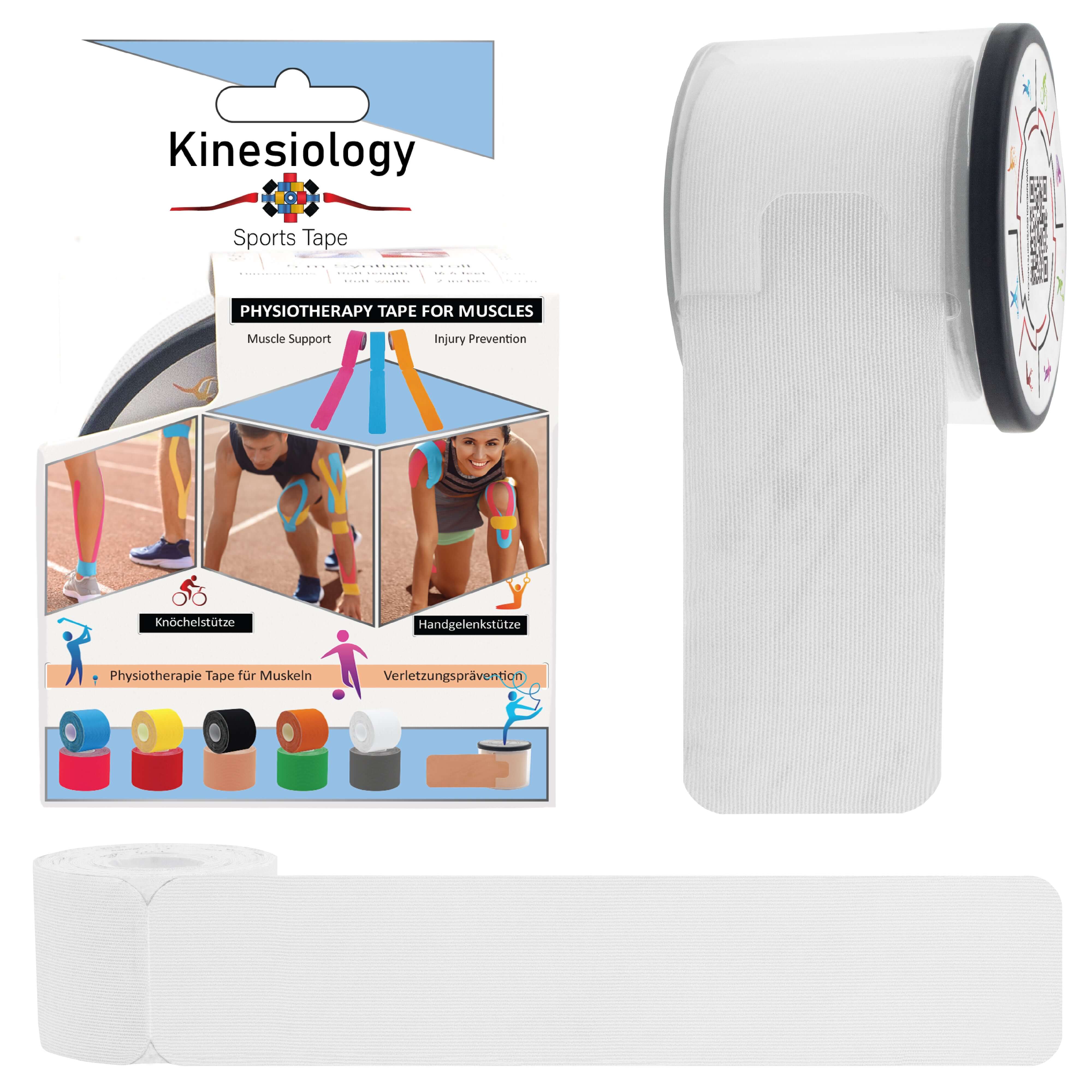
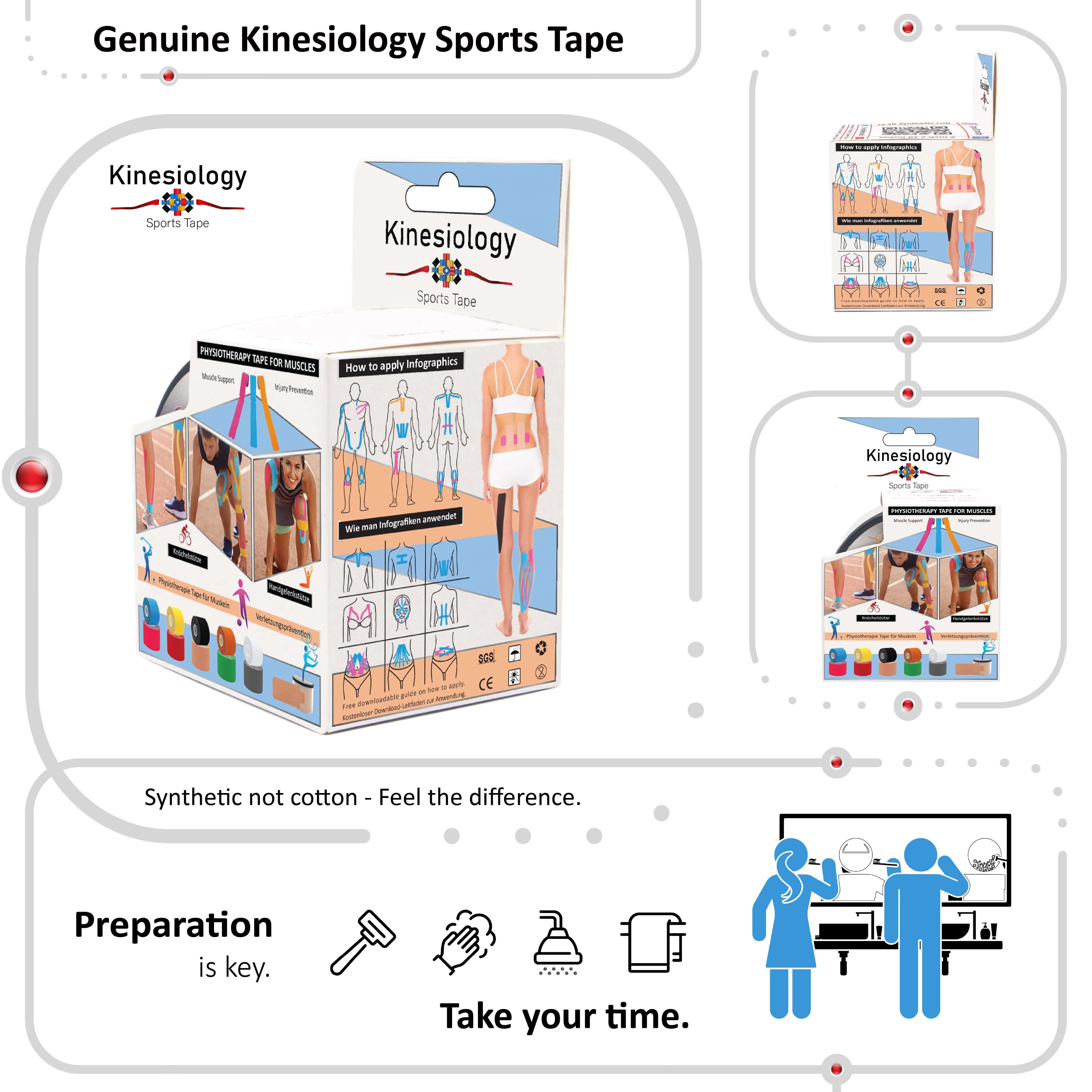
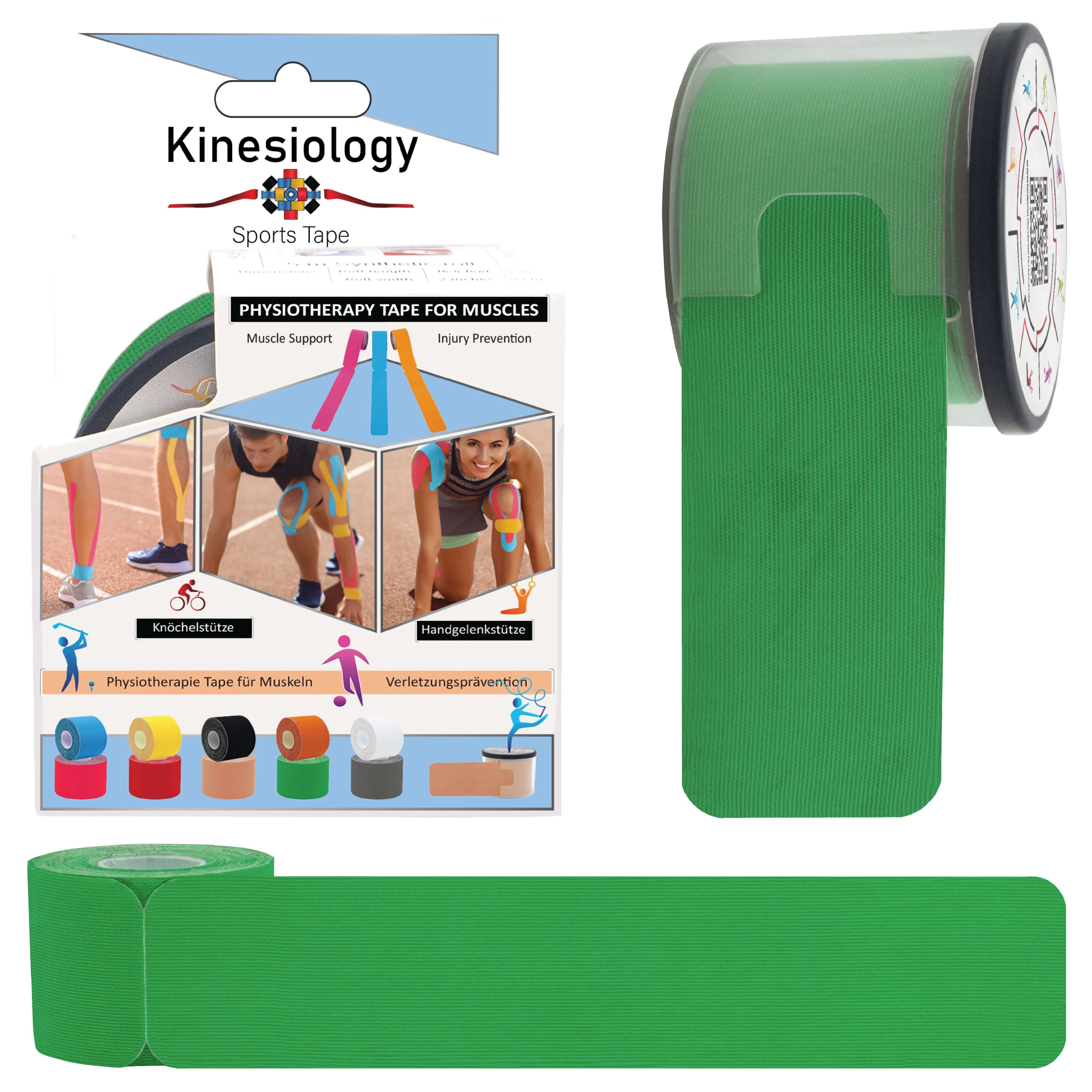
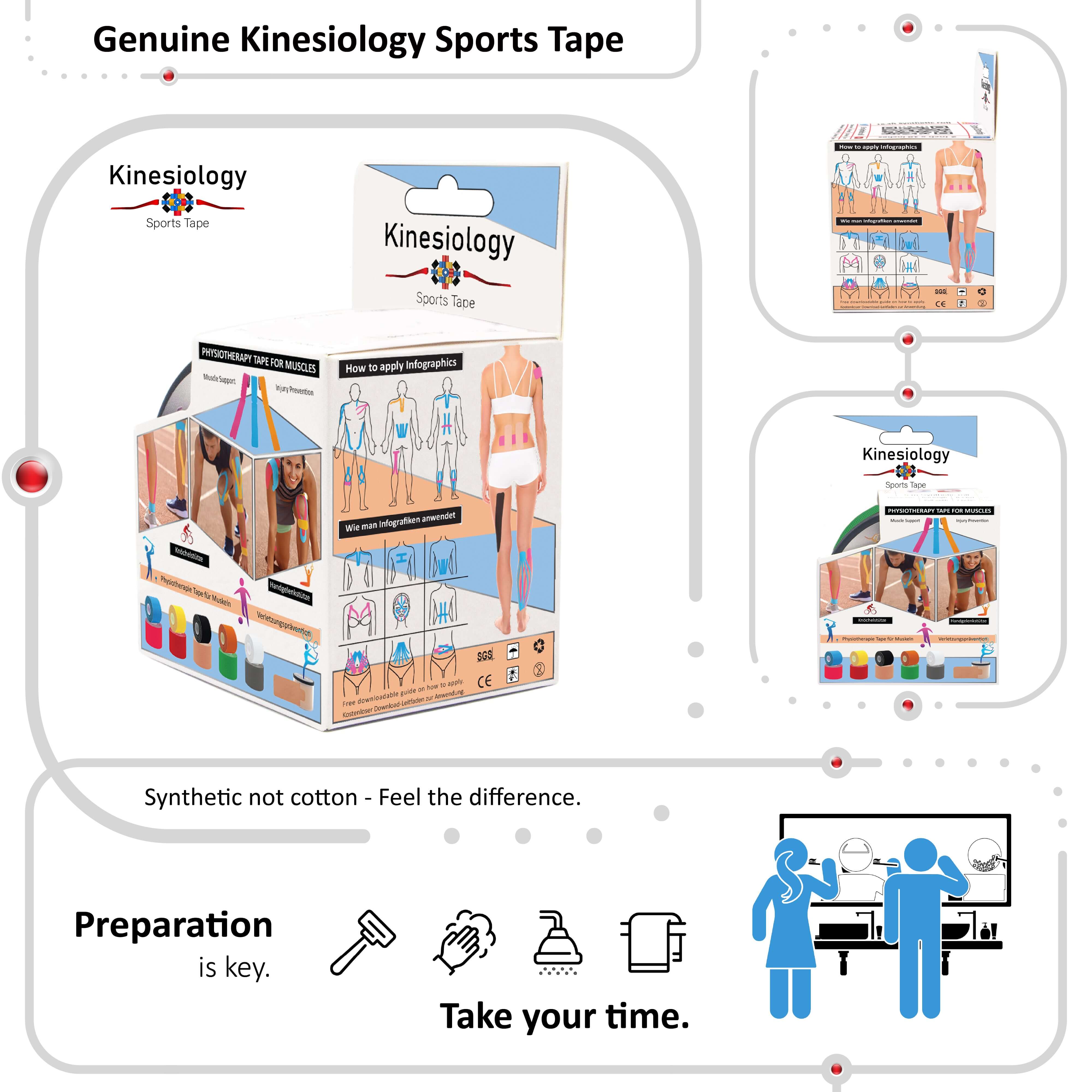
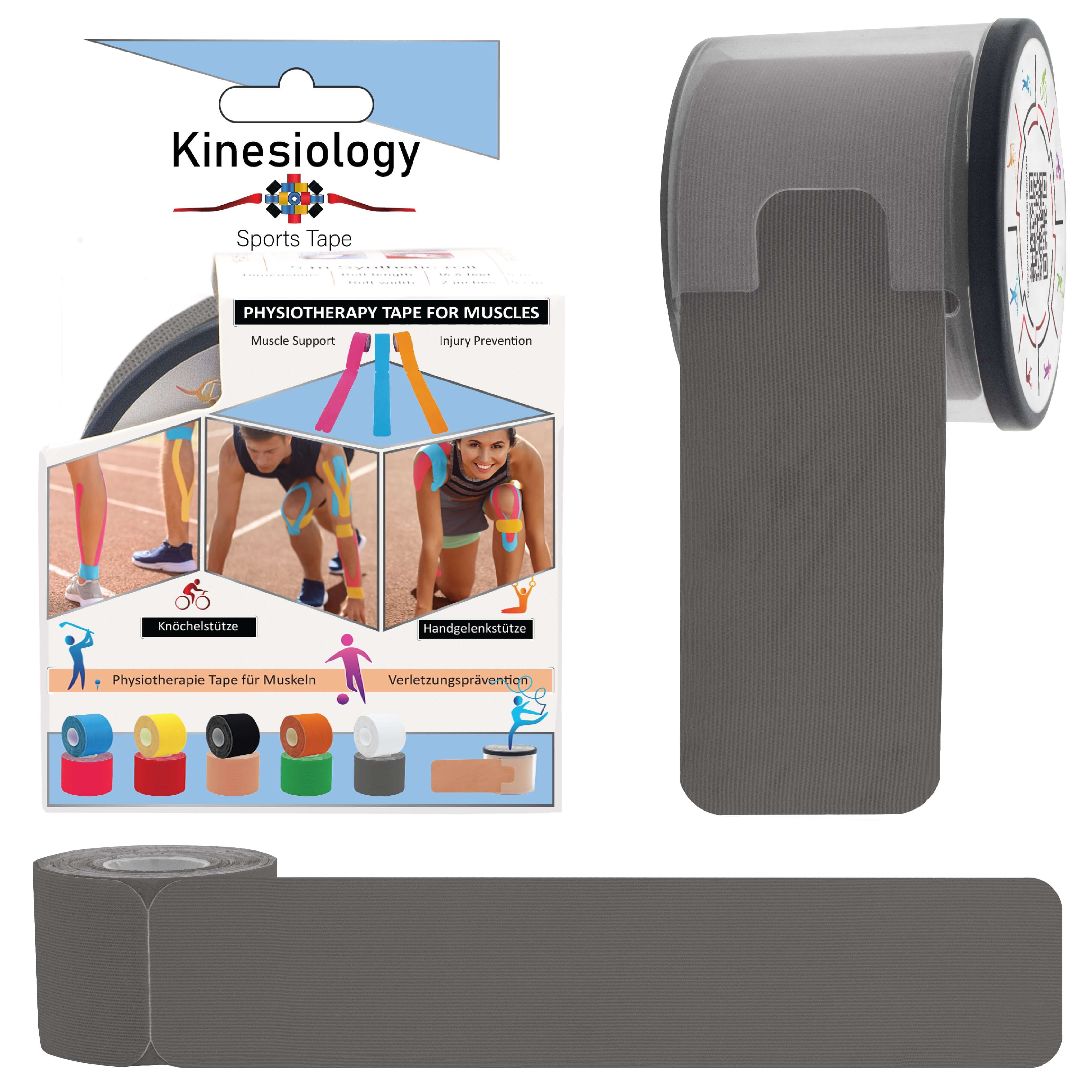
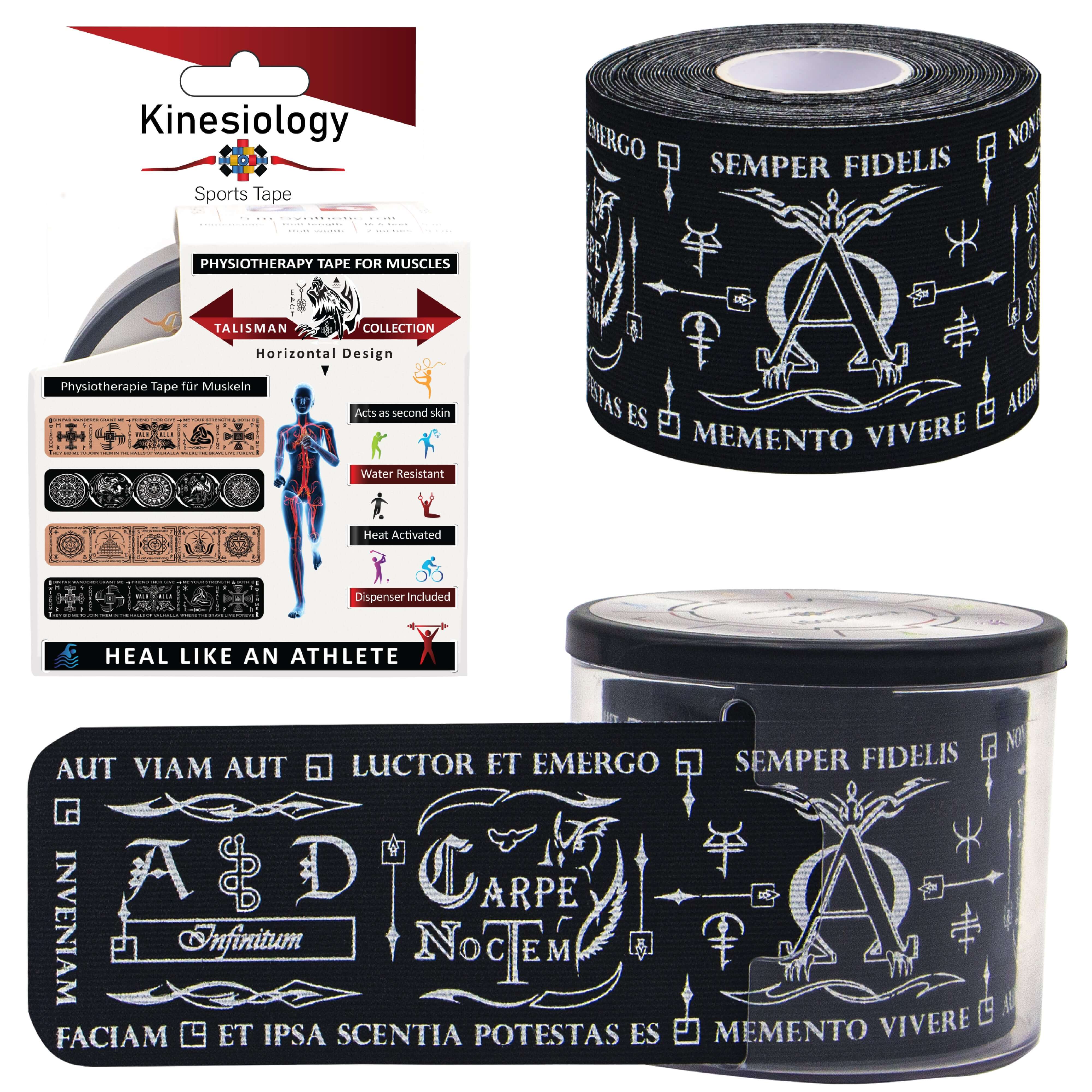
Pre-cut 20 strips with a dispenser box. Beige shown — see all colours & designs. £4.95 delivery on 1 or 2 rolls.
What is postural dysfunction?
Upper crossed syndrome, the most common postural pattern in desk-workers and phone-users, is the combination of tight chest muscles (pectorals) and weak upper-back muscles (mid traps, rhomboids), producing rounded shoulders, a forward head and a stooped upper back (thoracic kyphosis). Over time this causes neck pain, tension headaches, shoulder impingement, and a general feeling of stiffness through the upper body. Almost everyone working at a screen all day has some version of it.

Common causes
- Hours per day at a laptop, phone or tablet
- Driving long distances with hands at the top of the wheel
- Carrying a heavy single-strap bag on one shoulder
- Weak posterior chain: mid traps, rhomboids, deep neck flexors
- Tight pecs and upper traps from chronic forward posture
How kinesiology tape helps posture
Tape applied as an X across the upper back (or two strips running from shoulder to opposite hip) gives a postural cue: when you slump forward, the tape pulls on the skin, reminding the postural muscles to engage. It does not mechanically force you upright (no tape can), it cues you to do the work yourself. Most desk workers notice less afternoon slumping and reduced end-of-day neck/shoulder fatigue within the first few days.
How to apply: upper back X-tape


01
Prep
Stand tall, shoulders back and down. Clean dry skin.
02
Strip 1
Anchor on left front shoulder. Lay diagonally over shoulder, down to right lower shoulder blade at 50% stretch.
03
Strip 2
Mirror on the other side: right front shoulder to left lower shoulder blade. Forms an X.
04
Activate
Rub firmly 30 seconds. Sit at your desk: feel the cue.
Tape cues posture, it doesn’t fix it. The cure is the strength work below plus better desk ergonomics. Wear the tape for 5 to 7 days, then reapply during the strengthening phase (6 to 12 weeks).
Best Tape For This
Beige to wear discreetly under work shirts. Black if you would rather it visible.
BeigeShop the rangeRecovery tips beyond taping
- Doorway pec stretch: 30 seconds each side, 3 times daily. Opens up tight chest.
- Chin tucks: 10 reps every hour. Pull chin straight back, retract the head.
- Scapular squeezes: 3 × 15 daily. Pull shoulder blades down and back.
- Face pulls or band pull-aparts: 3 × 15 daily. The single best upper-back exercise.
- Raise the monitor to eye level: the biggest desk-ergonomics fix.
- Walk for 5 minutes every hour: movement is more important than perfect posture.
When to see a physio or GP
See a physio if you have persistent neck or upper back pain, numbness or tingling in the arms, or headaches that don’t respond to self-management. A targeted strengthening programme works for nearly everyone.
Frequently asked
Will tape straighten my posture permanently?
On its own, no. It cues you to do the work. Combined with daily strengthening for 6 to 12 weeks, lasting posture change is achievable.
Can I sleep with the tape on?
Yes. Many people wear it 24/7 for a week at a time. Pat dry after showering.
I have scoliosis, will tape help?
Tape can ease the muscular tension that comes with scoliosis, but doesn’t change the spinal curve itself. Get assessed by a physio specialising in scoliosis for targeted care.
How long until I notice better posture?
Most people feel the cue effect within the first day. Lasting change in resting posture comes from the strength work: 6 to 12 weeks of consistent effort.
Tape used in this guide
Pre-cut 20 strips with a dispenser box. 3 rolls for £14.97, delivered free — 6 for £22.99 delivered. Free UK delivery on 3 rolls or more, £4.95 on 1 or 2.
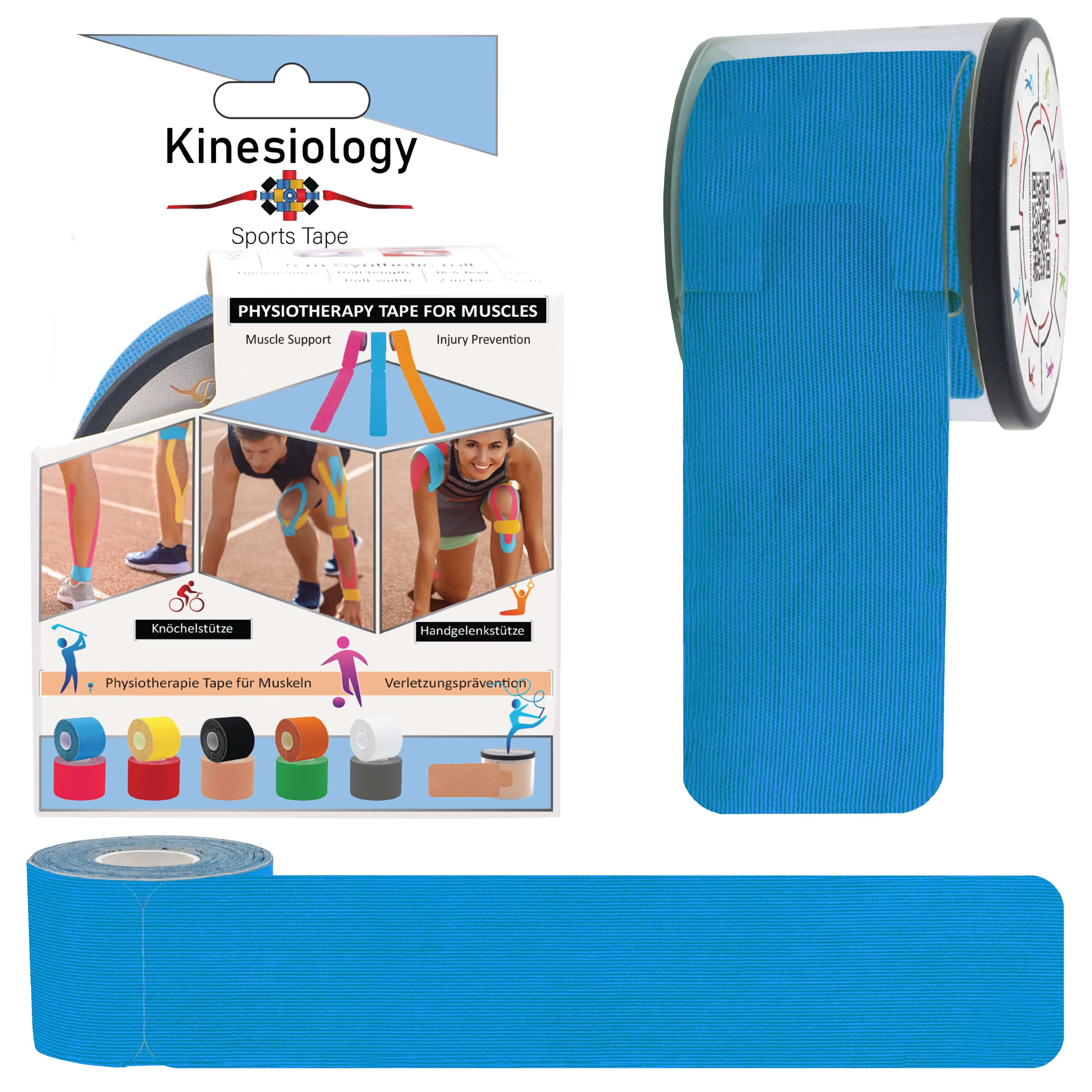
See all 26 colours and designs →


Not sure which to buy? Read the UK buyer’s guide · Mix colours and designs on the counter
Related post
Pain & Recovery Guides
Pre-Cut Kinesiology Tape with a Built-In Dispenser: Why It Beats the Roll
Read more
22
Mar

21
Mar