
RECENT POSTS


22.March.2026
Kinesiology Tape for Knee Pain: Complete Relief Guide for Athletes and Active Individual
0 CommentsLower Back Pain Kinesiology Tape Guide: Lumbar Support Application
60-Second Taping Guide
Lower Back Pain & Lumbar Support
Pre-cut kinesiology tape to support the erector spinae, cue better posture and ease everyday lumbar ache.

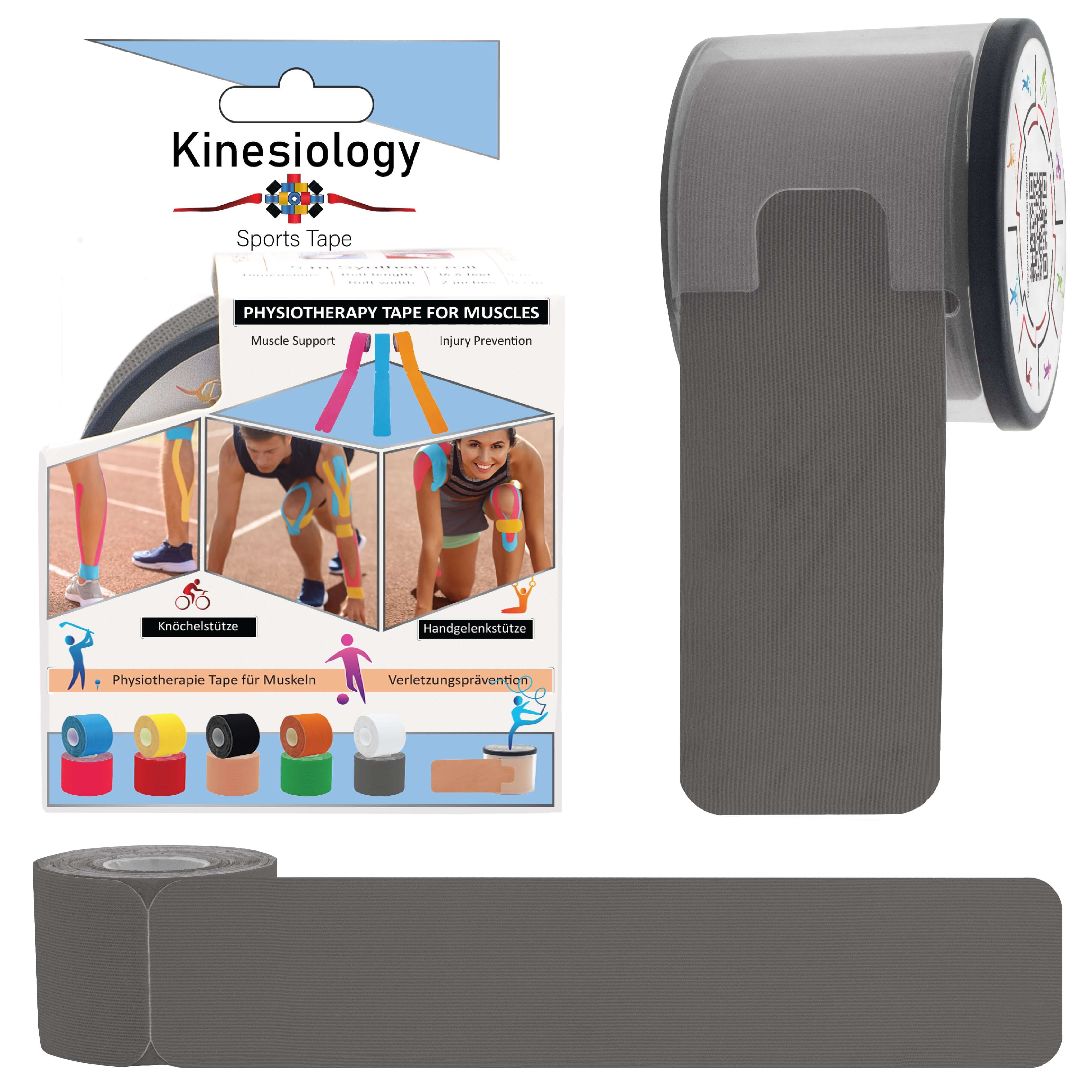
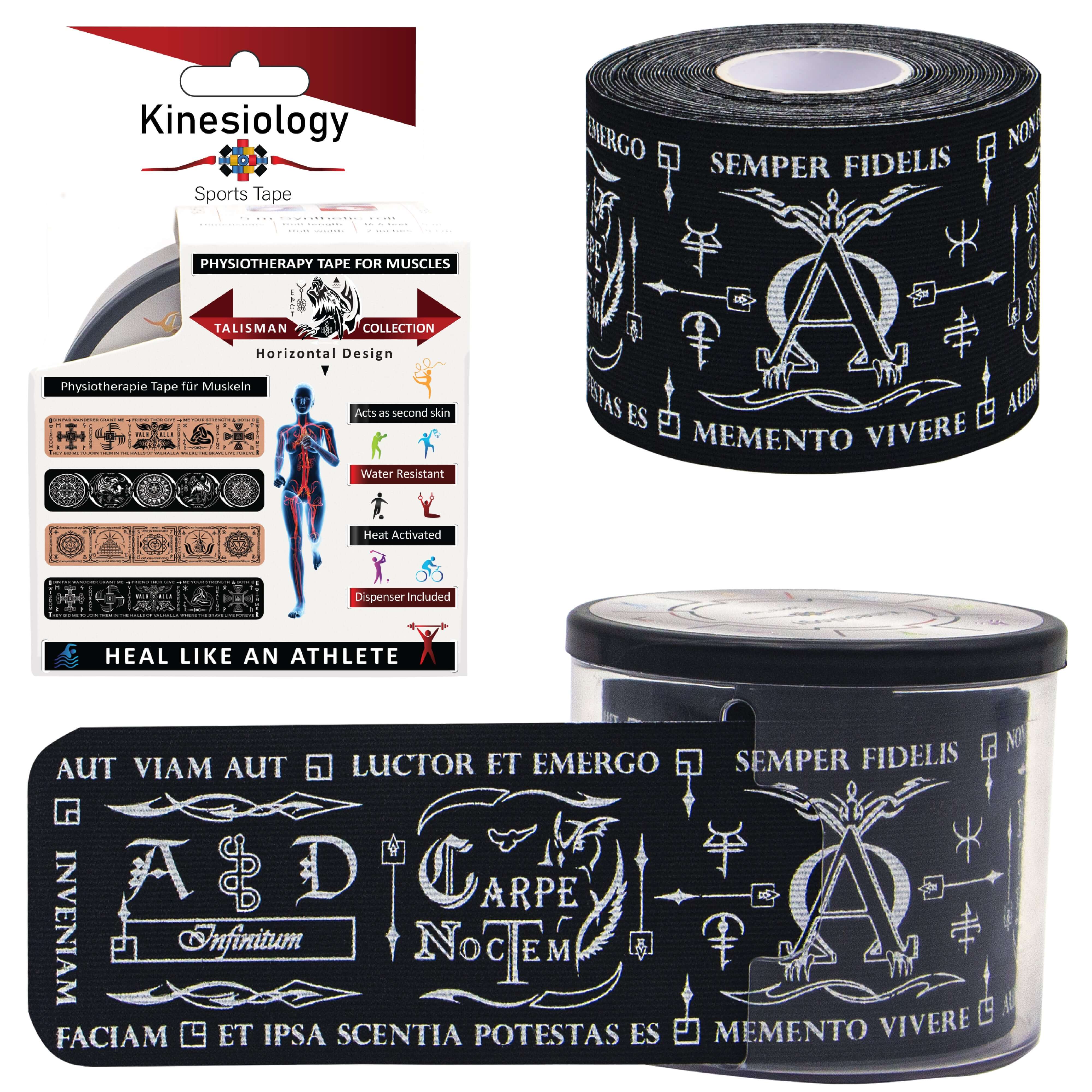
3 rolls for £14.97, delivered free
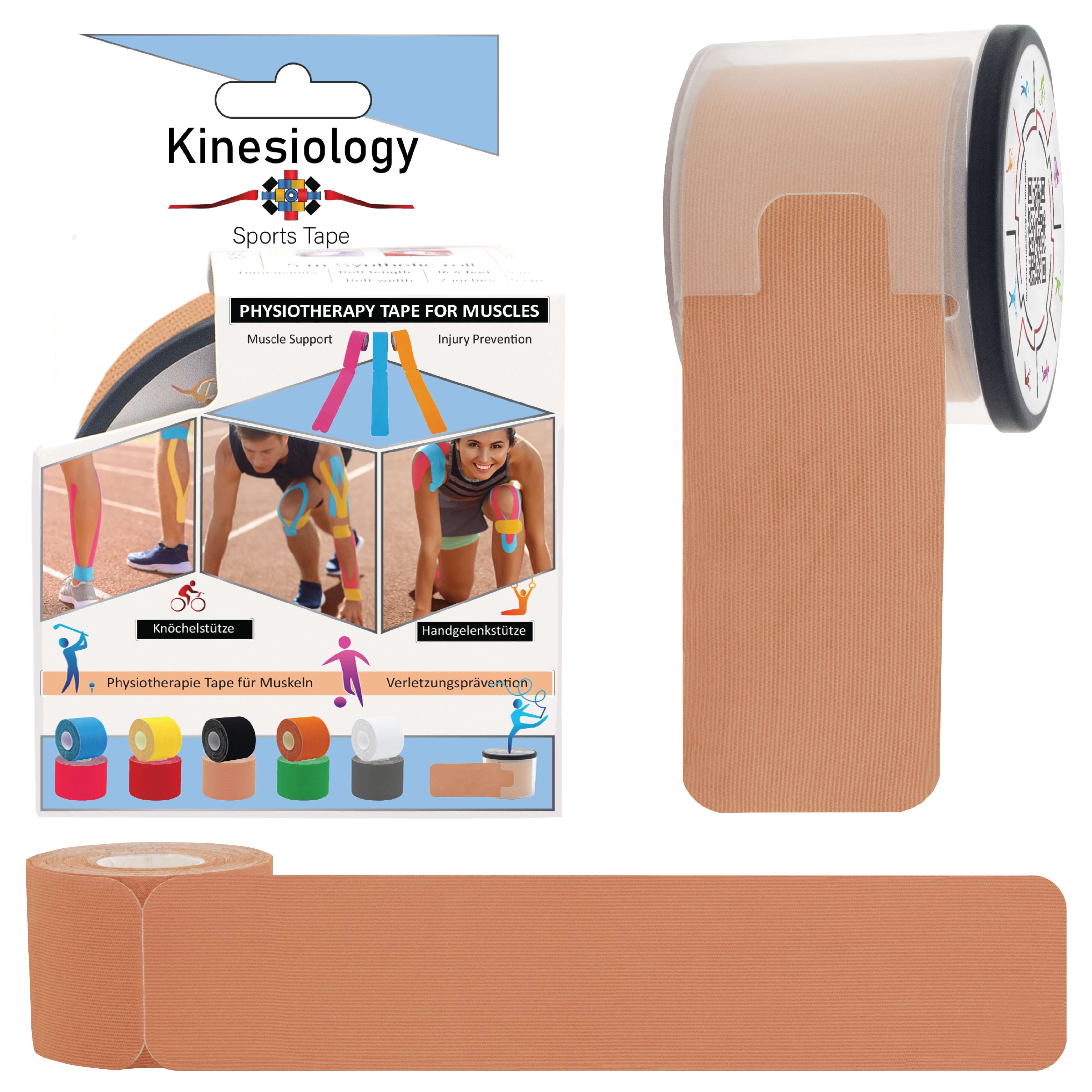
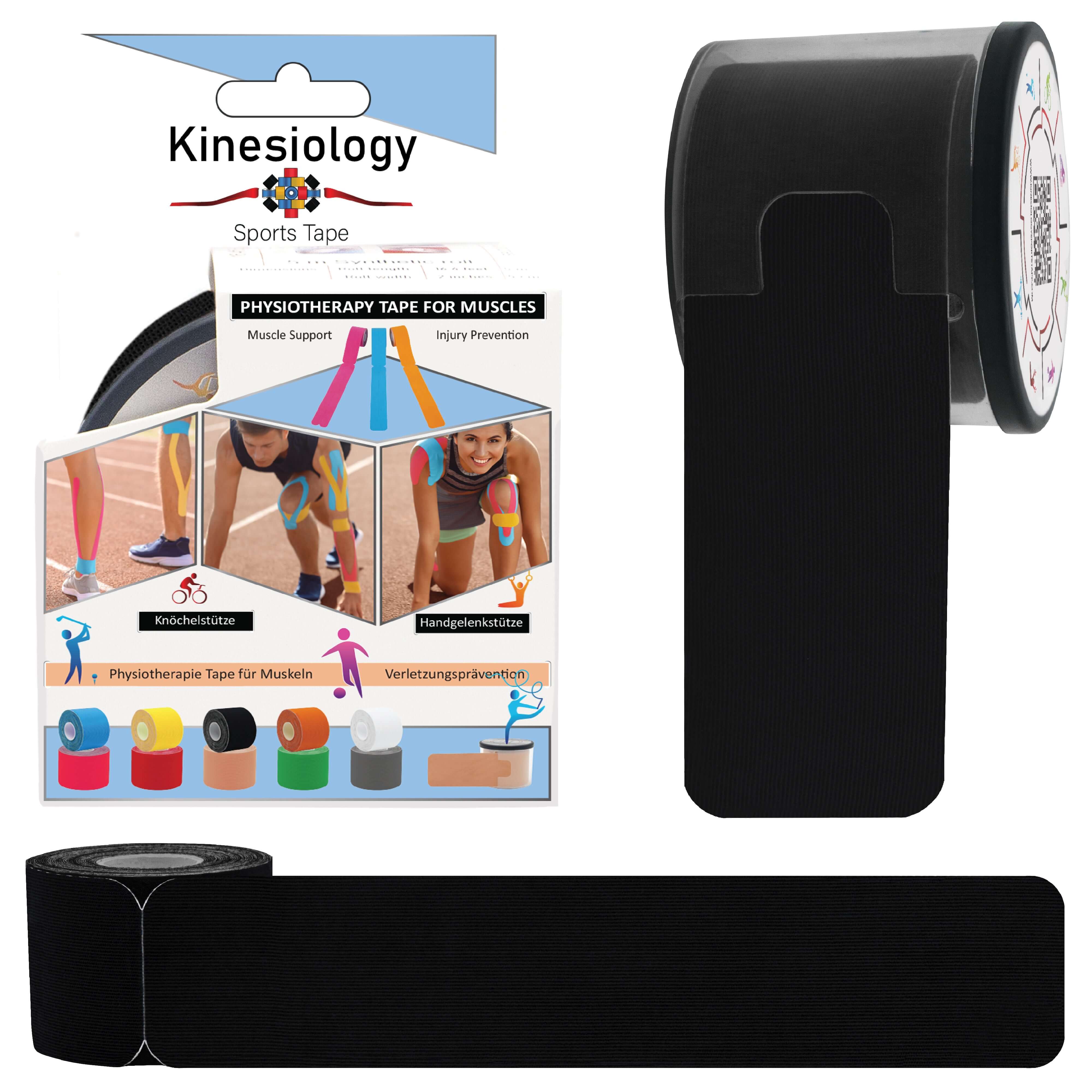
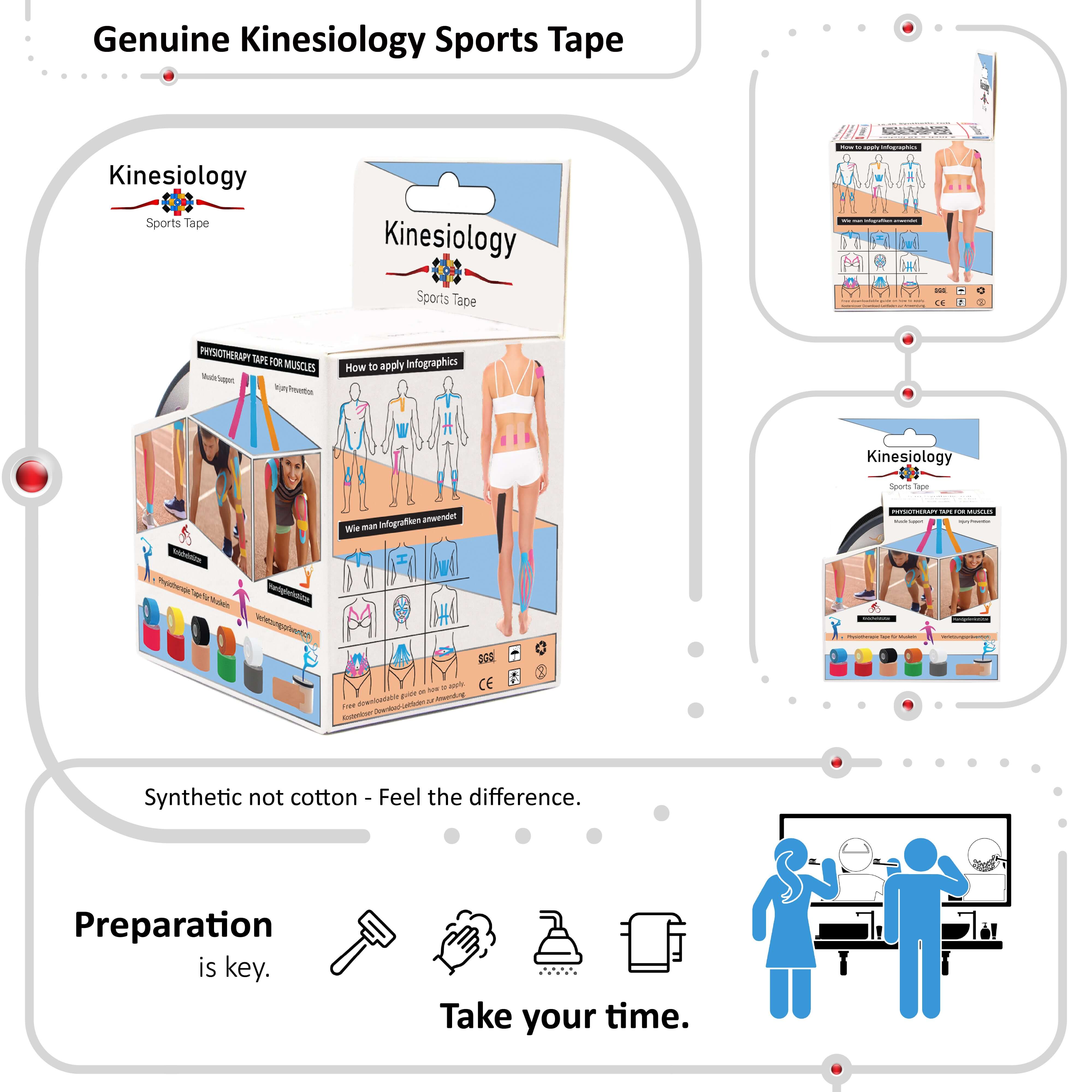
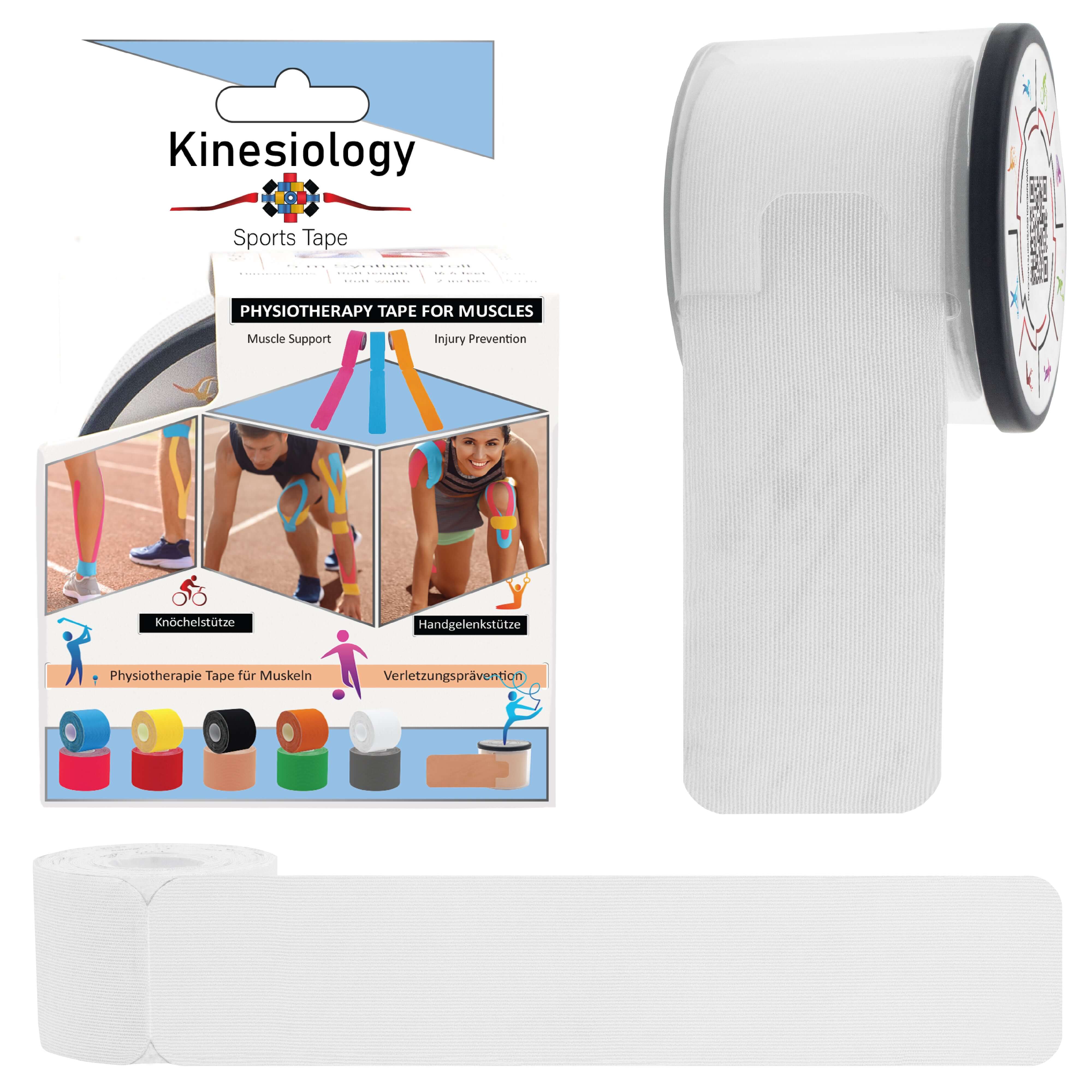
Pre-cut 20 strips with a dispenser box. Beige shown — see all colours & designs. £4.95 delivery on 1 or 2 rolls.
What causes lower back pain?
Lower back pain is the most common musculoskeletal complaint in the UK. Roughly 60 to 80% of adults experience an episode in any given year. The most frequent cause is non-specific mechanical pain: tight or fatigued erector spinae muscles, an irritated facet joint, or a strained quadratus lumborum from lifting, sitting too long or sleeping awkwardly. Most episodes resolve in 2 to 6 weeks with movement and self-management.

Common causes
- Prolonged sitting with poor posture (desk work, driving)
- Lifting with a rounded back or twisting under load
- Weak core and gluteal muscles forcing the lumbar to overwork
- Tight hip flexors from sitting all day pulling the pelvis forward
- Sudden return to gym, garden or DIY after time off
How kinesiology tape helps lower back pain
Tape applied along the erector spinae (the two columns of muscle either side of the spine) provides two effects. First, a postural cue. The tape pulls slightly when you slouch, reminding the muscles to stay engaged. Second, the proprioceptive feedback and skin lift can ease the protective spasm that drives a lot of acute back pain. Many desk workers and weekend gardeners use it preventively before long sessions.
How to apply: erector spinae support


01
Prep
Stand and bend forward at waist. Clean dry skin.
02
Strip 1
Anchor at top of pelvis on left of spine. Lay vertically up to mid-back at 25% stretch.
03
Strip 2
Mirror on right side. Optional 3rd strip horizontal across the painful spot at 50% stretch.
04
Activate
Stand up. Rub firmly 30 seconds. The tape pulls when you slouch.
Most back pain wants movement, not rest. Walk regularly, stretch gently, return to normal activity within pain tolerance. Bed rest beyond 1 to 2 days delays recovery.
Best Tape For This
Black is the all-purpose choice for the back. Beige if you would rather it didn’t show through a thin shirt.
BlackShop the rangeRecovery tips beyond taping
- Walk 20 to 30 minutes daily: the single most effective thing for low back pain.
- Glute bridges 3 × 12: the gluteal complex carries lumbar load when it’s strong.
- Cat-cow and child’s pose 5 minutes each morning to mobilise the spine.
- Hip flexor stretch: kneeling lunge, 30 seconds each side, daily.
- Fix the desk setup: screen at eye level, chair supporting the lumbar, feet flat.
- Lift with the legs: bend at hips and knees, keep the load close.
When to see a physio or GP
Most back pain resolves without scans or specialist care. See a GP urgently if you have pain shooting down a leg below the knee, numbness or weakness in a leg, loss of bowel or bladder control, or unexplained weight loss and night pain. These are red flags that need imaging.
Frequently asked
Can I sleep with the tape on?
Yes. Many people wear it 24/7 for a week at a time. Pat dry after showering, don’t rub.
Does the tape replace a back brace?
No. Different tool. A brace is for lifting and high-load tasks. Tape is for all-day proprioceptive cueing and pain reduction.
I have sciatica, will tape help?
Tape may ease the muscular component, but sciatica from a disc or nerve issue needs a physio’s assessment first. Don’t self-manage shooting leg pain.
Can I tape myself or do I need help?
You can do the side strips solo by bending forward. The horizontal strip is easier with help. Many people use a mirror.
Tape used in this guide
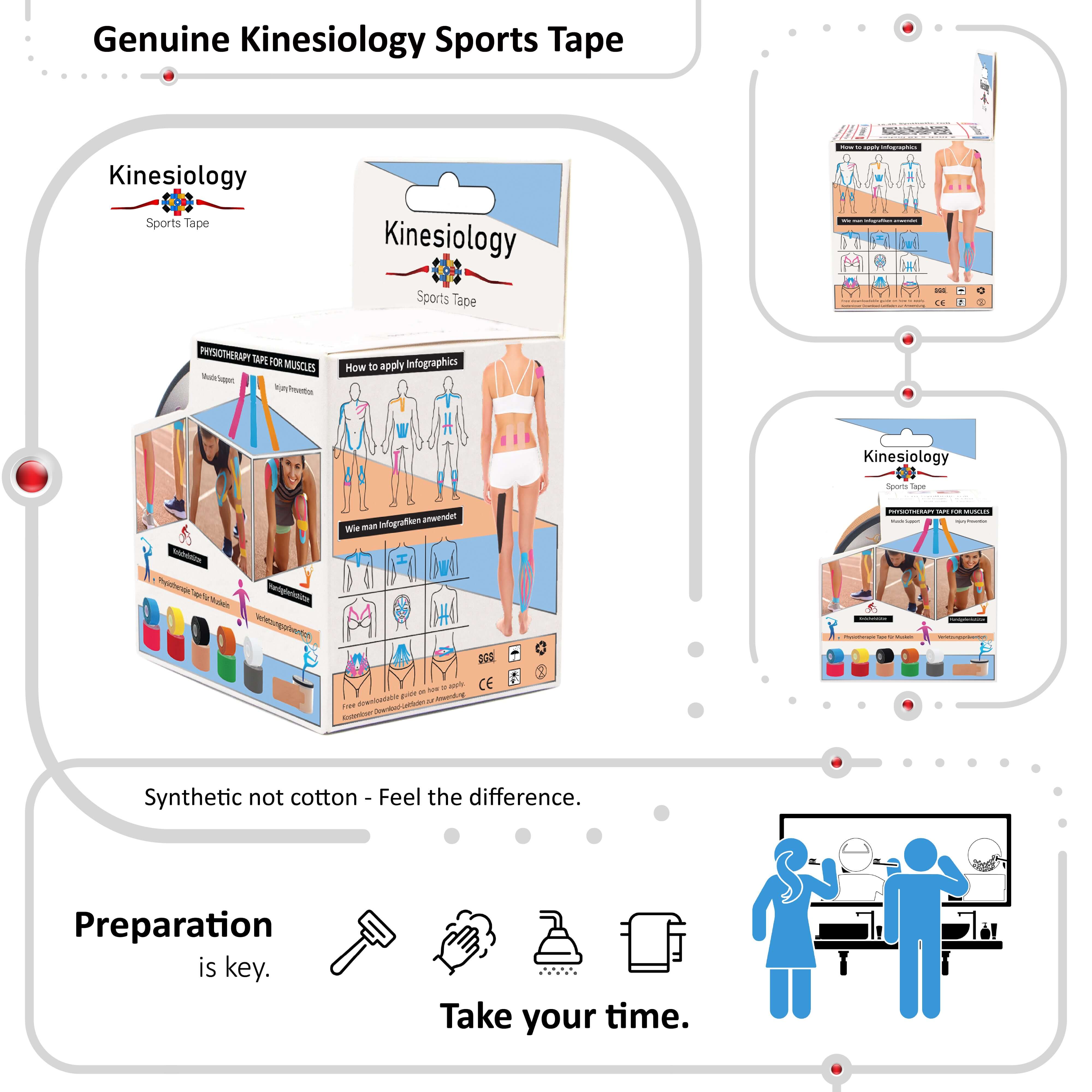
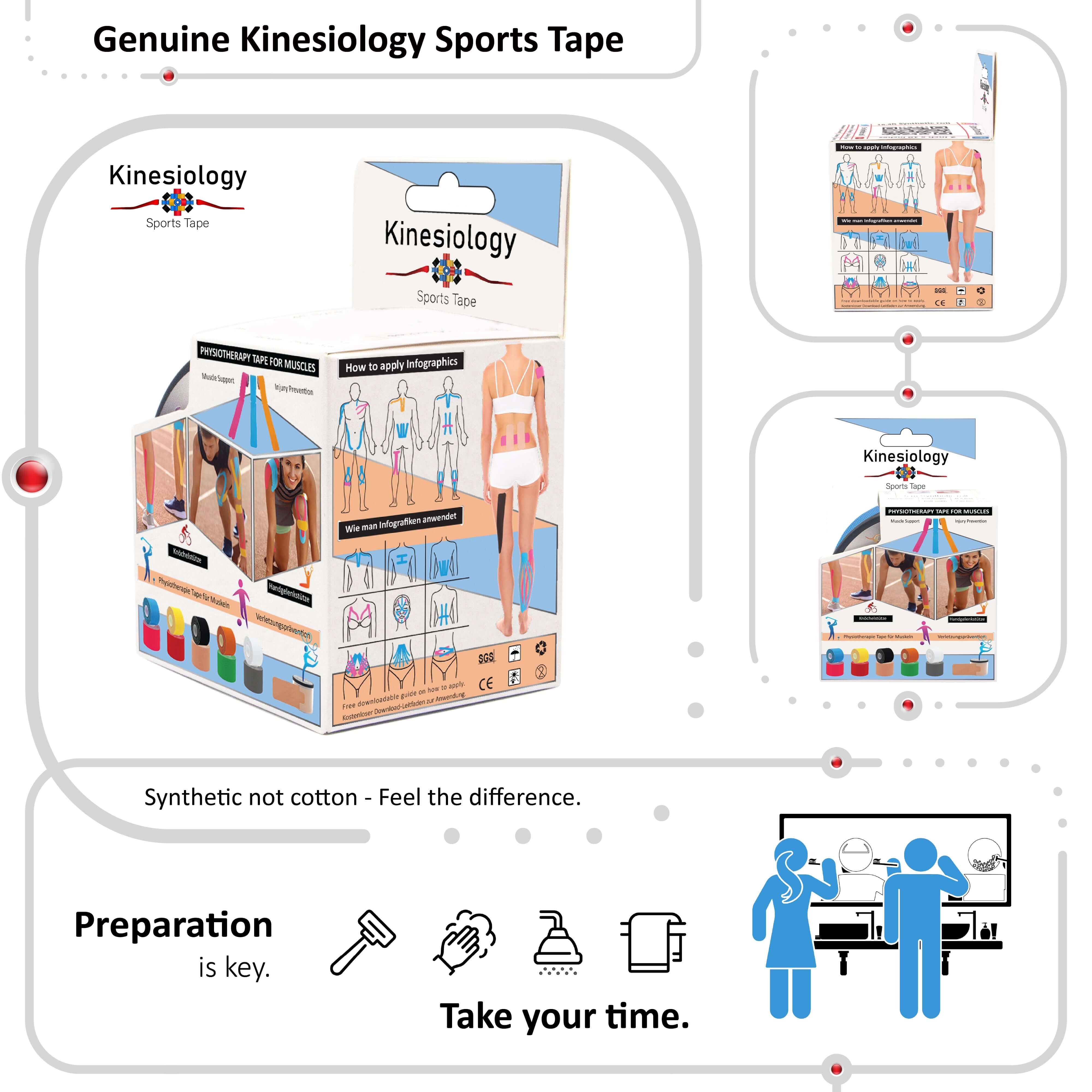
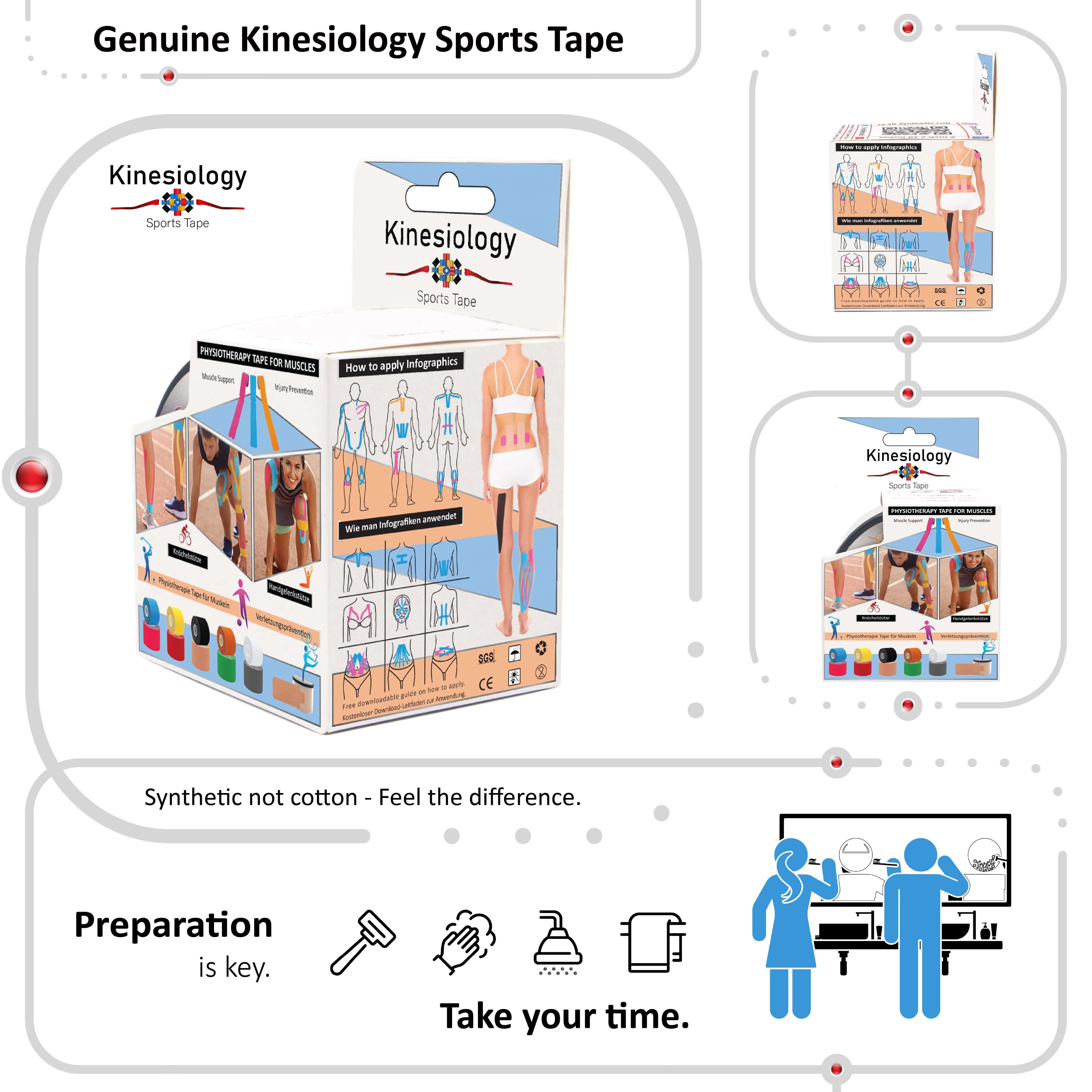
Pre-cut 20 strips with a dispenser box. 3 rolls for £14.97, delivered free — 6 for £22.99 delivered. Free UK delivery on 3 rolls or more, £4.95 on 1 or 2.
See all 26 colours and designs →


Not sure which to buy? Read the UK buyer’s guide · Mix colours and designs on the counter
Related post
Pain & Recovery Guides
Pre-Cut Kinesiology Tape with a Built-In Dispenser: Why It Beats the Roll
Read more
22
Mar

21
Mar