
RECENT POSTS

22.March.2026
Kinesiology Tape for Knee Pain: Complete Relief Guide for Athletes and Active Individual
0 Comments
21.March.2026
Kinesiology Tape for Knee Pain: Complete Relief Guide for Athletes and Active Individuals
0 Comments
21.March.2026
Kinesiology Tape Benefits: Complete Guide to Uses, Applications, and Therapeutic Effects
0 Comments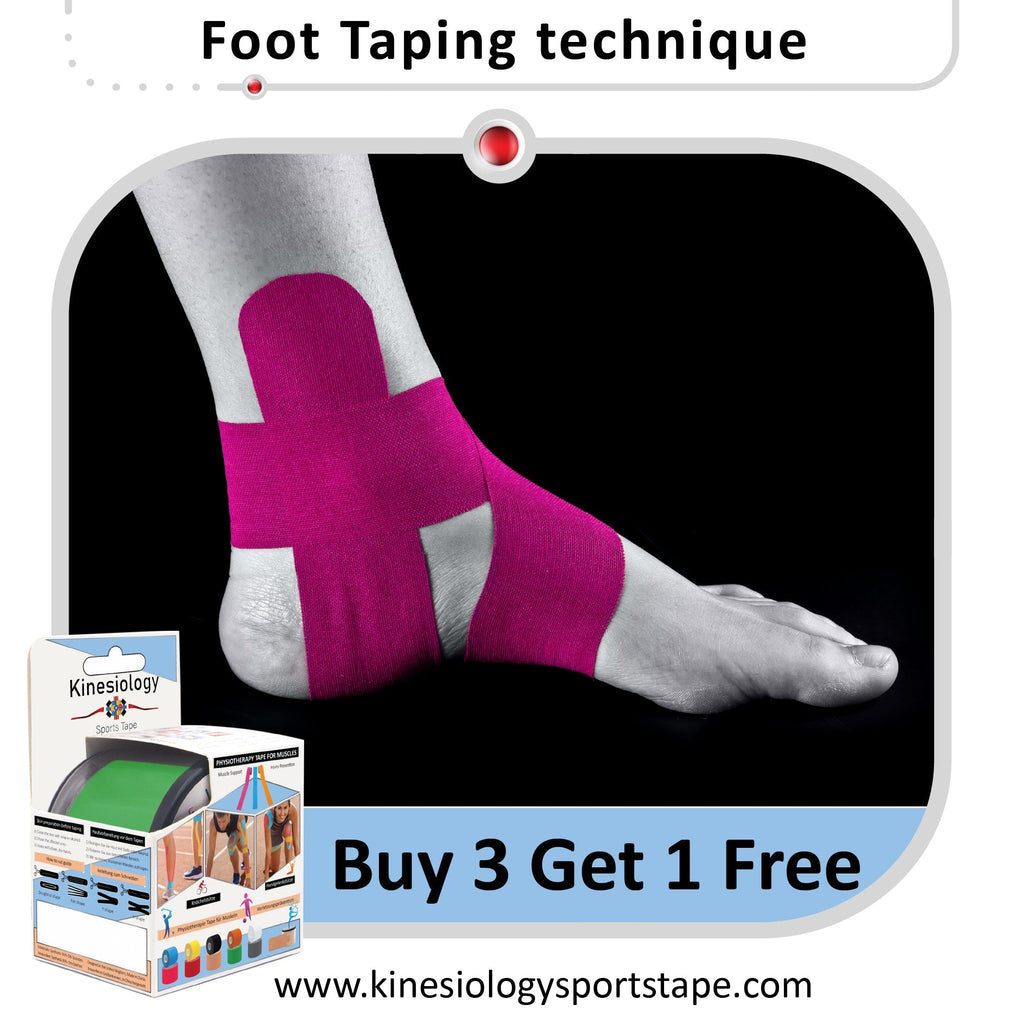
05.August.2025
Kinesiology Tape for Plantar Fasciitis: Complete Pain Relief and Recovery Guide
0 CommentsPost-Surgical Rehab Kinesiology Tape Guide: Knee, Shoulder & Ankle Recovery
60-Second Taping Guide
Post-Surgical Rehab Support
Pre-cut kinesiology tape application for post-op swelling, scar management and proprioceptive rebuild after knee, shoulder and ankle surgery.
What is post-surgical rehab?
Recovery after orthopaedic surgery (knee arthroscopy, ACL reconstruction, meniscectomy, shoulder labral repair, rotator cuff repair, ankle ligament reconstruction, joint replacement) involves three key phases: swelling control in weeks 1 to 3, range of motion and early loading in weeks 4 to 12, and strength and proprioceptive rebuild from 3 months onward. Kinesiology tape supports all three phases when used appropriately: swelling drainage early, scar support mid-phase, and proprioceptive cueing during return-to-activity.

Common post-op challenges
- Persistent swelling around the surgical site weeks after surgery
- Stiffness from prolonged immobilisation
- Loss of proprioception: joint awareness
- Hypersensitive or restricted scar tissue
- Loss of strength and confidence in the affected limb
How kinesiology tape helps post-surgical recovery
The fan-strip lymphatic technique (see our Swelling guide) reduces persistent post-op swelling. Scar support strips applied lightly across a healed surgical scar (after 6+ weeks) can soften adhesions and reduce sensitivity. Proprioceptive tape during the rebuild phase helps the brain re-engage muscles that have been guarded or shut down by pain and swelling. Many physios use tape extensively in their post-op programmes alongside manual therapy and exercise.
How to apply: post-shoulder surgery example


01
Clear it
Surgeon’s approval first. Sutures out. No open wounds. Usually 2+ weeks post-op.
02
Fan strip
Cut 4 thin tails. Anchor at back of knee. Spread tails across swollen front of knee at 10 to 15% stretch.
03
Stability
Add a U-shape strip framing the kneecap at 50% stretch once swelling settles (weeks 4 to 6).
04
Activate
Rub gently. Keep limb elevated for 20 minutes.
Get explicit clearance from your surgeon or physio first. Don’t tape over fresh wounds, incisions still healing, or skin showing redness, heat or discharge: these need medical review.
Best Tape For This
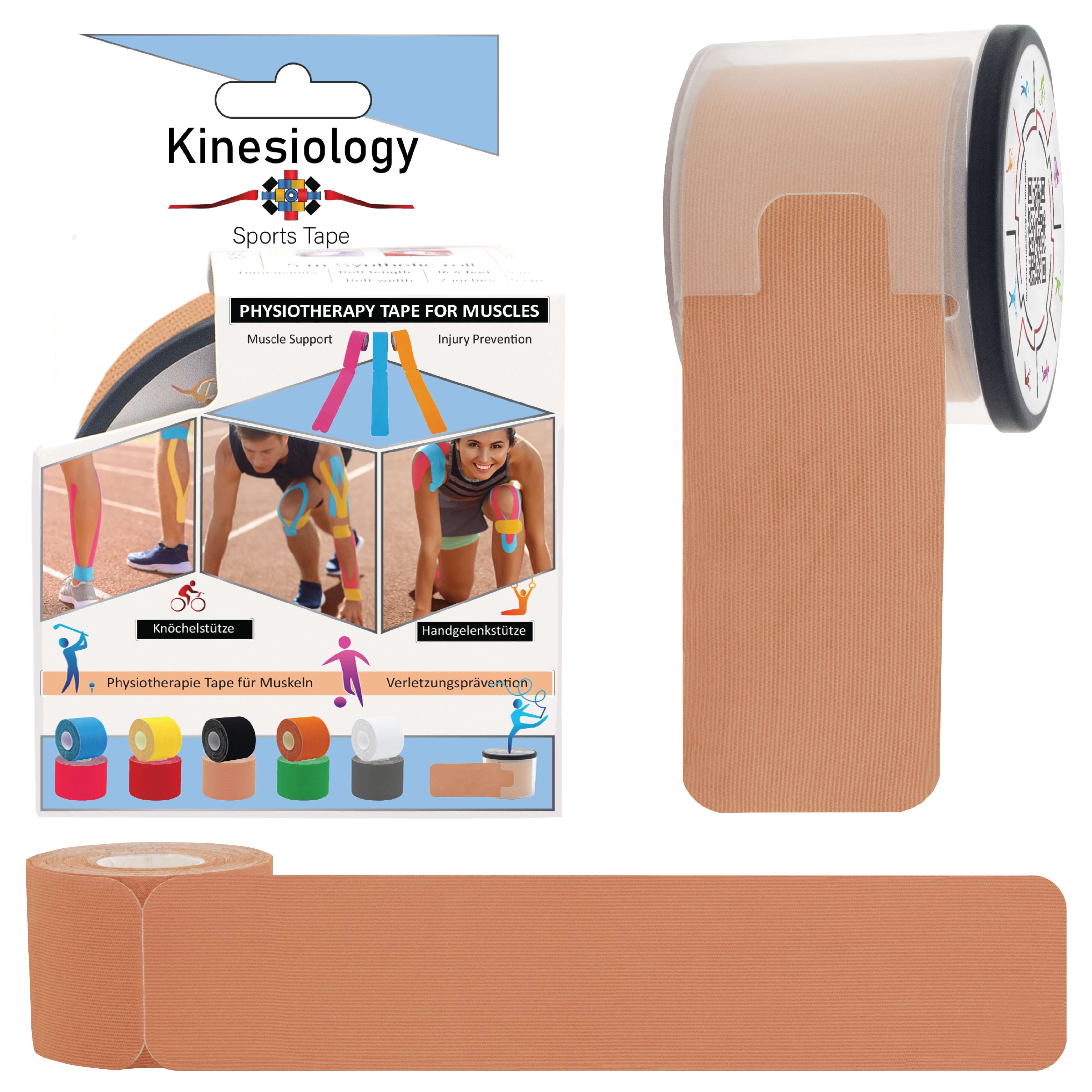
Beige or skin-tone for comfort over sensitive post-op skin. Hypoallergenic medical-grade adhesive.
BeigeShop the rangeRecovery tips beyond taping
- Follow your physio’s protocol: this is the single most important thing. Surgery without rehab fails.
- Elevate the limb above heart 20 minutes, 3 to 4 times daily for the first 2 weeks.
- Ice 15 minutes every 2 hours in the first 48 to 72 hours.
- Early movement within surgeon’s guidelines: immobility creates stiffness that takes months to undo.
- Scar massage once fully healed (6+ weeks): 5 minutes daily with vitamin E oil or unscented moisturiser.
- Patience: tissues heal at biological pace, no matter how hard you push.
When to call your surgeon or GP
Contact your surgical team urgently for: persistent fever, increasing pain not controlled by prescribed analgesia, redness/heat/discharge from the wound, sudden one-sided leg swelling (rule out DVT), chest pain or shortness of breath. Tape is no substitute for clinical follow-up.
Frequently asked
When can I start taping after surgery?
After sutures or staples are out, usually 10 to 14 days post-op, and only with surgeon clearance. Don’t tape over fresh wounds.
Can tape help my surgical scar?
Light tape strips applied across a fully healed scar (6+ weeks post-op) can reduce adhesions and sensitivity. Get your physio’s guidance on the pattern: it varies by scar location and stage.
Will tape replace my brace?
No. Braces provide mechanical restriction that tape cannot. Tape supplements bracing with proprioception during the rebuild and post-brace phase.
I’m allergic to standard tape, is yours OK?
Our adhesive is latex-free, hypoallergenic medical-grade acrylic. Patch test for 24 hours over normal skin first if you have a history of adhesive reactions.
Related post
22
Mar
21
Mar
21
Mar
05
Aug
Pain & Recovery Guides
Kinesiology Tape for Plantar Fasciitis: Complete Pain Relief and Recovery Guide
Read more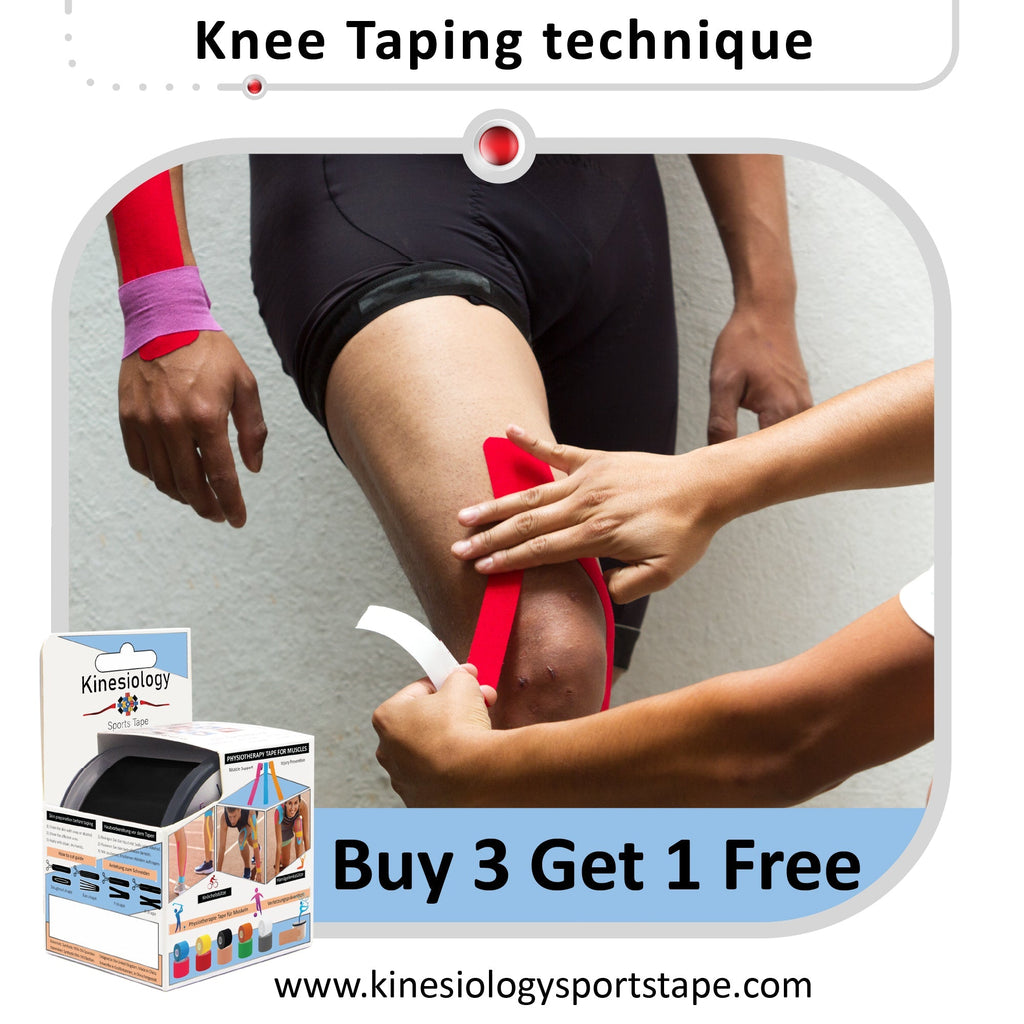
05
Aug