
Price :
QTY :
CART TOTALS :
There are items
in your cart
CART TOTALS :
With this products also buy:
Your shopping bag is empty
Go to the shop
Targeted Pain Relief
Pre-cut kinesiology tape for lumbar muscle strain, sciatica, SI joint dysfunction, postural fatigue, pregnancy back pain and post-injury rebuild. 60 to 80% of UK adults experience back pain each year.
This page covers six of the most common causes of lower back pain and which kinesiology tape application matches each. Most back pain is mechanical, not structural, and resolves in 2 to 6 weeks with movement, support and the right rehab. Bed rest beyond 1 to 2 days delays recovery.
Dull, achy pain across the lower back that follows lifting, sitting too long, sleeping awkwardly or a sudden return to garden/DIY work. Erector spinae muscles, facet joints or quadratus lumborum get tight, fatigued or irritated. The most common diagnosis (or non-diagnosis) for back pain.
Tape pattern: Two vertical strips either side of the spine from pelvis to mid-back at 25% stretch. Optional third horizontal strip across the painful spot at 50% stretch.
Full Lower Back Pain Guide →Shooting pain, tingling or numbness travelling from the lower back down one leg, often past the knee. Can follow a disc bulge, piriformis tightness compressing the sciatic nerve, or stenosis. The pain pattern matters more than the cause for self-management.
Tape pattern: Standard lower back support pattern, plus a strip down the back of the painful leg from glute to mid-thigh at 25% stretch to ease nerve tension.
Sharp pain at the base of the spine to one side, often just below the dimple at the top of the buttock. Worse with single-leg standing, getting in and out of a car, or rolling in bed. Common in pregnancy, after a fall onto the buttock, or with leg-length difference.
Tape pattern: Star pattern over the painful SI joint. Two strips crossing diagonally at 50% stretch, with the centre over the joint. Provides proprioceptive feedback and gentle support.
Sudden sharp back pain following a lift, twist or sudden movement. The muscle is in protective spasm and bracing makes you stiff. Most acute strains settle in 2 to 4 weeks with movement (not bed rest), gentle stretching and support.
Tape pattern: Vertical erector spinae strips for support, plus a horizontal “decompression” strip across the spasming muscle at 50 to 75% stretch.
Full Muscle Strain Guide →End-of-day ache from sitting badly in a poor chair, hunched over a laptop, or driving long distances. Lumbar curve loses its position, hip flexors tighten from sitting, and erector spinae overwork to compensate. Different from acute injury — this is a chronic mechanical loading issue.
Tape pattern: Vertical erector spinae cueing strips that pull slightly when you slouch, reminding the postural muscles to engage.
Full Posture Correction Guide →Hormonal ligament loosening combined with shifted centre of gravity causes lower back pain in 50%+ of pregnancies, peaking in the third trimester. Postnatally, weak core and hip muscles plus carrying a baby load the back. Tape gives gentle support without medication.
Tape pattern: Modified support pattern with longer Y-strips spanning lumbar to lower thoracic. Lower stretch (15 to 25%) to avoid over-tensioning. Hypoallergenic adhesive is safe in pregnancy.
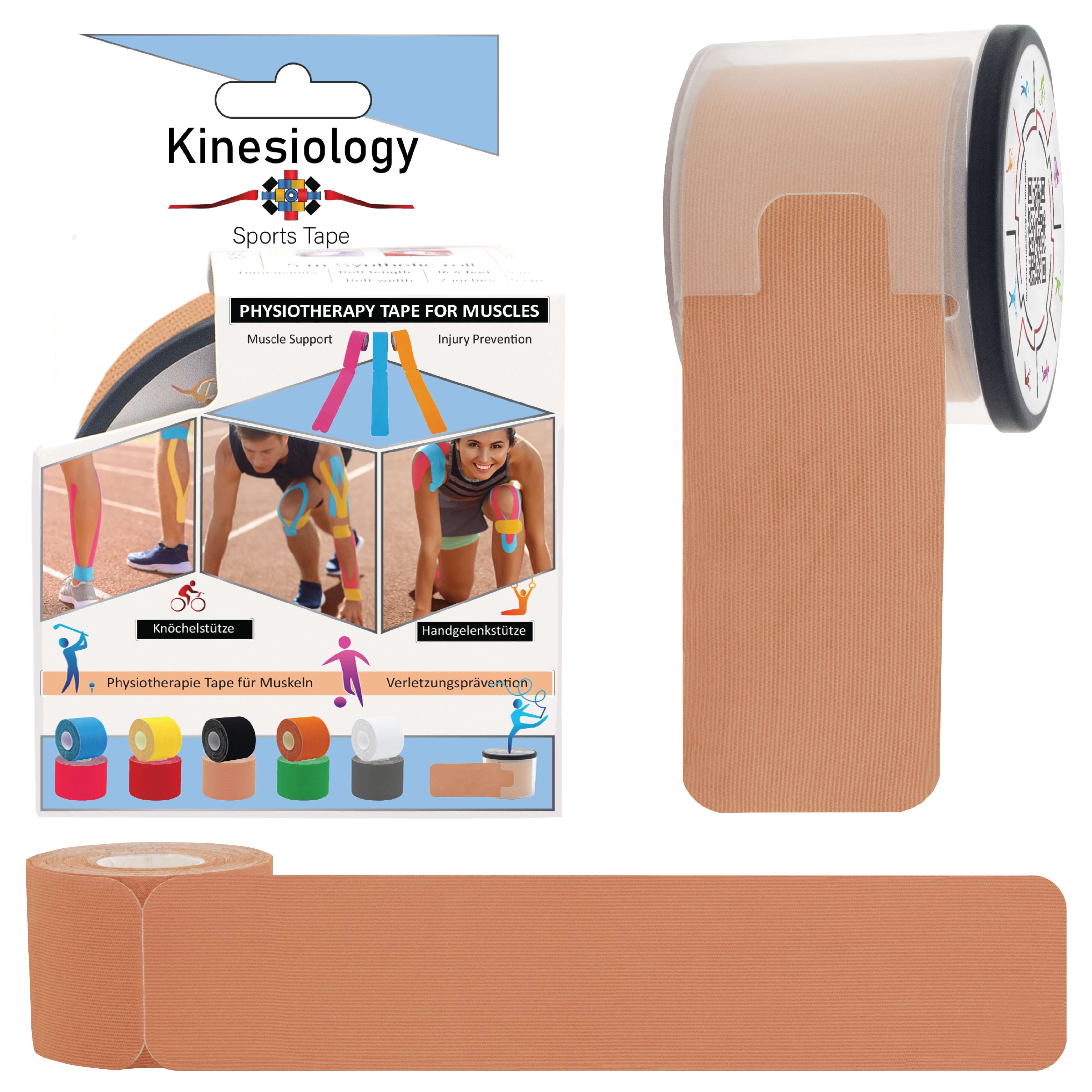
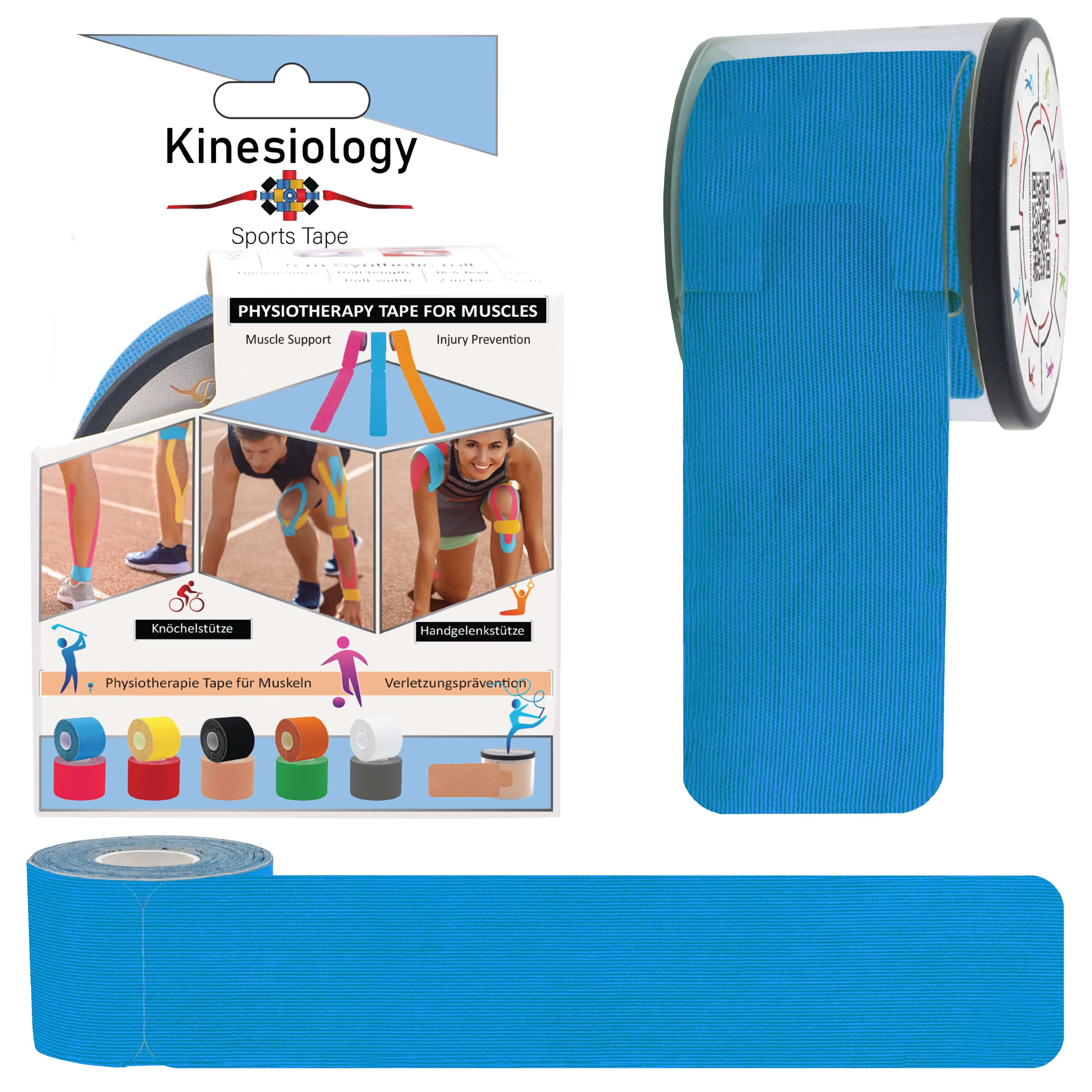
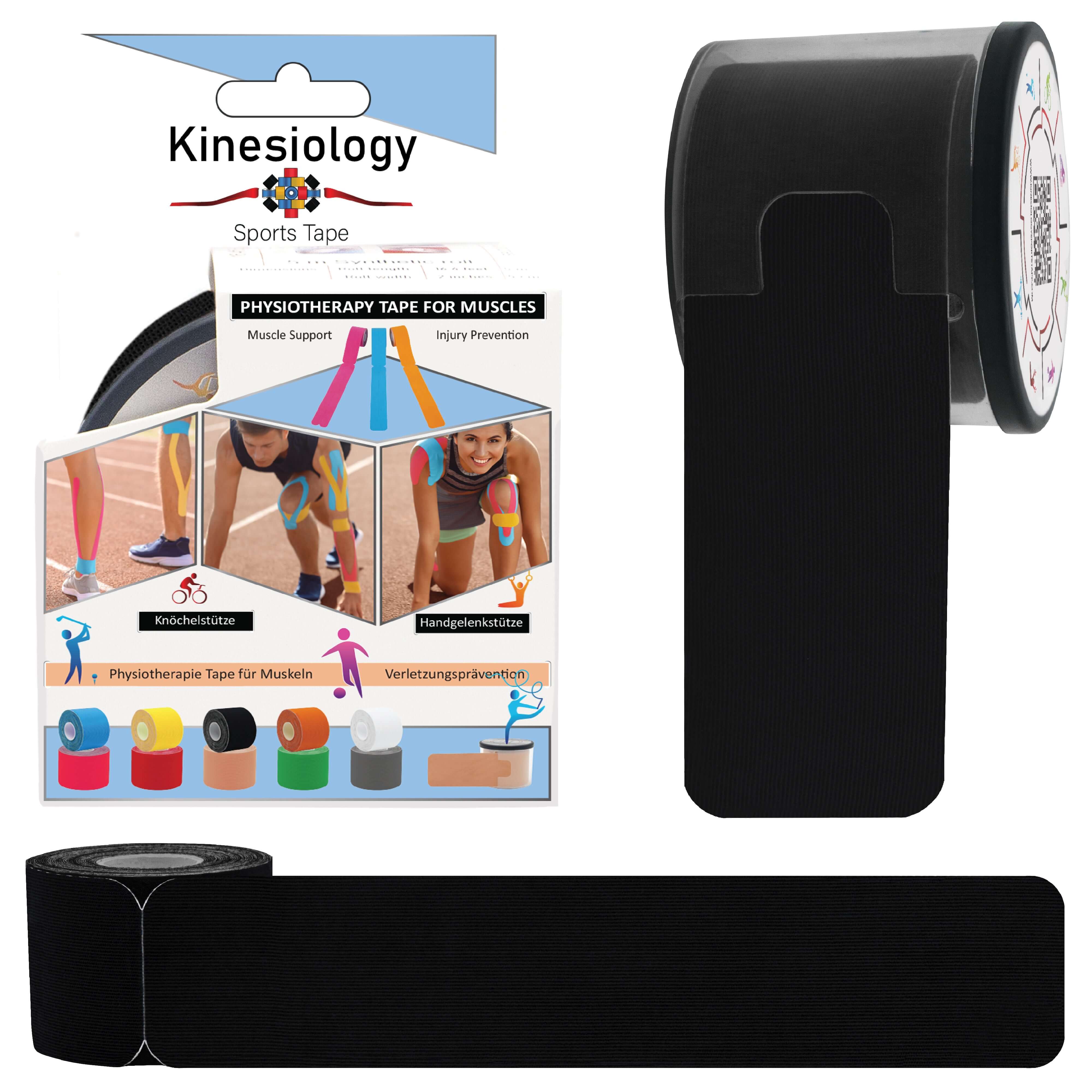
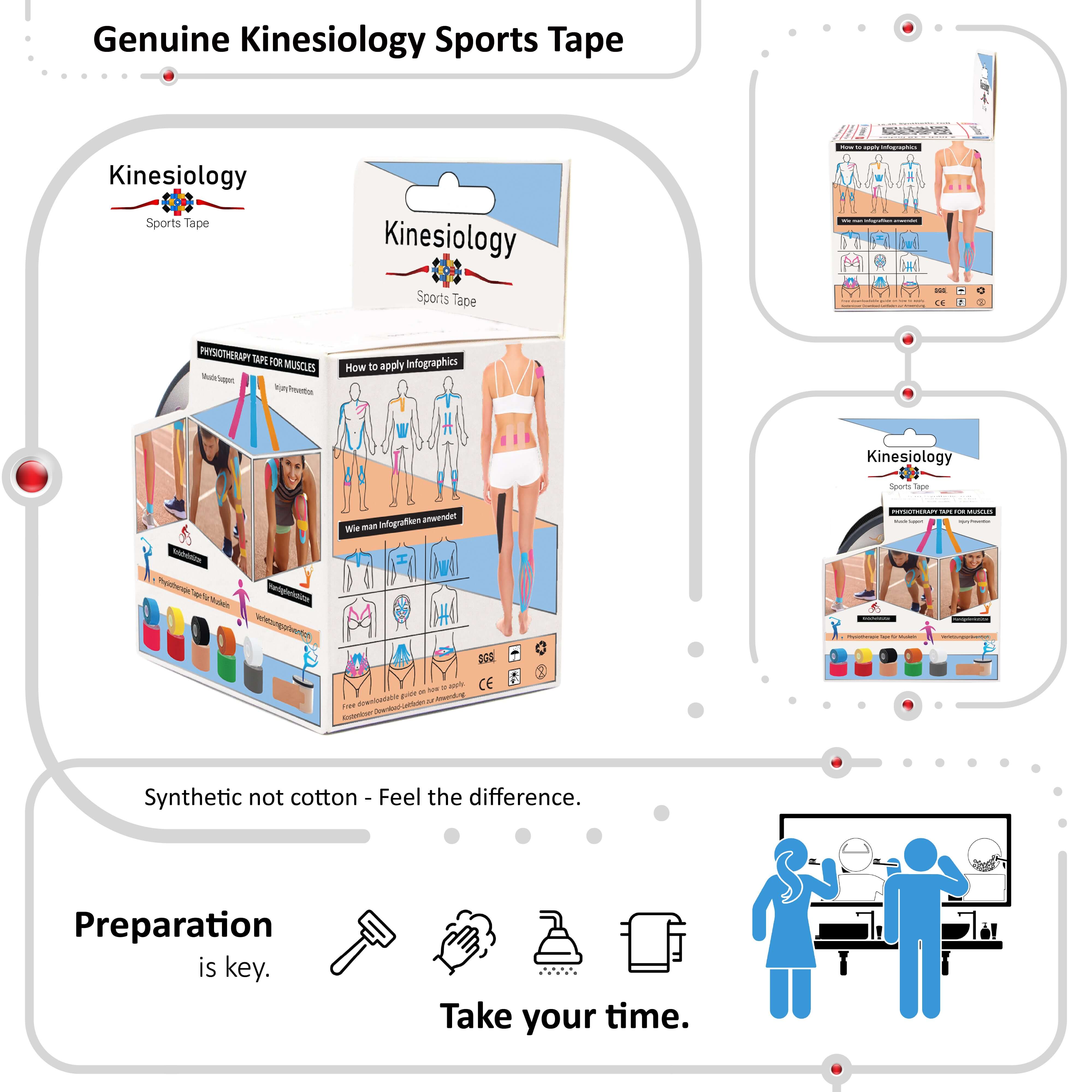
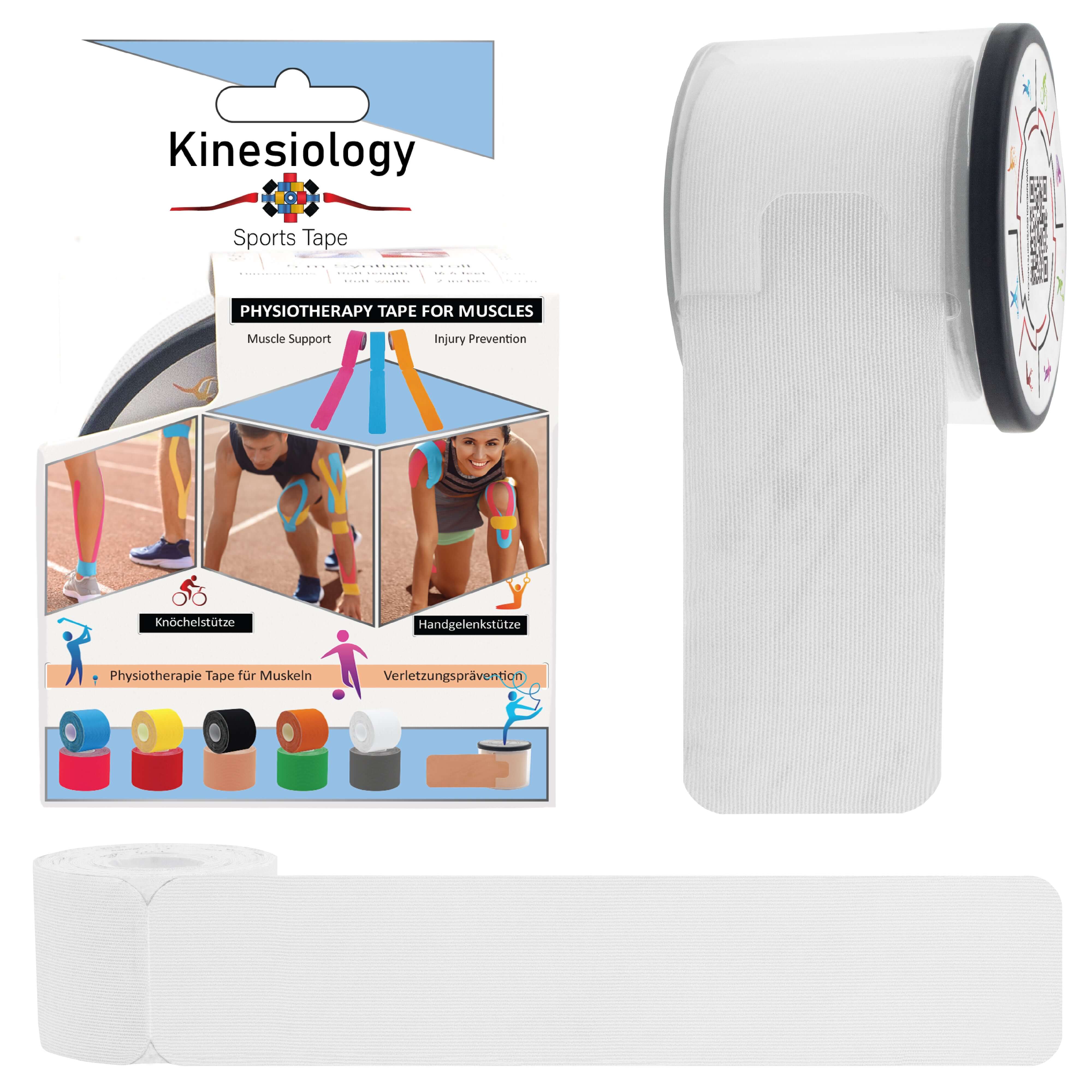
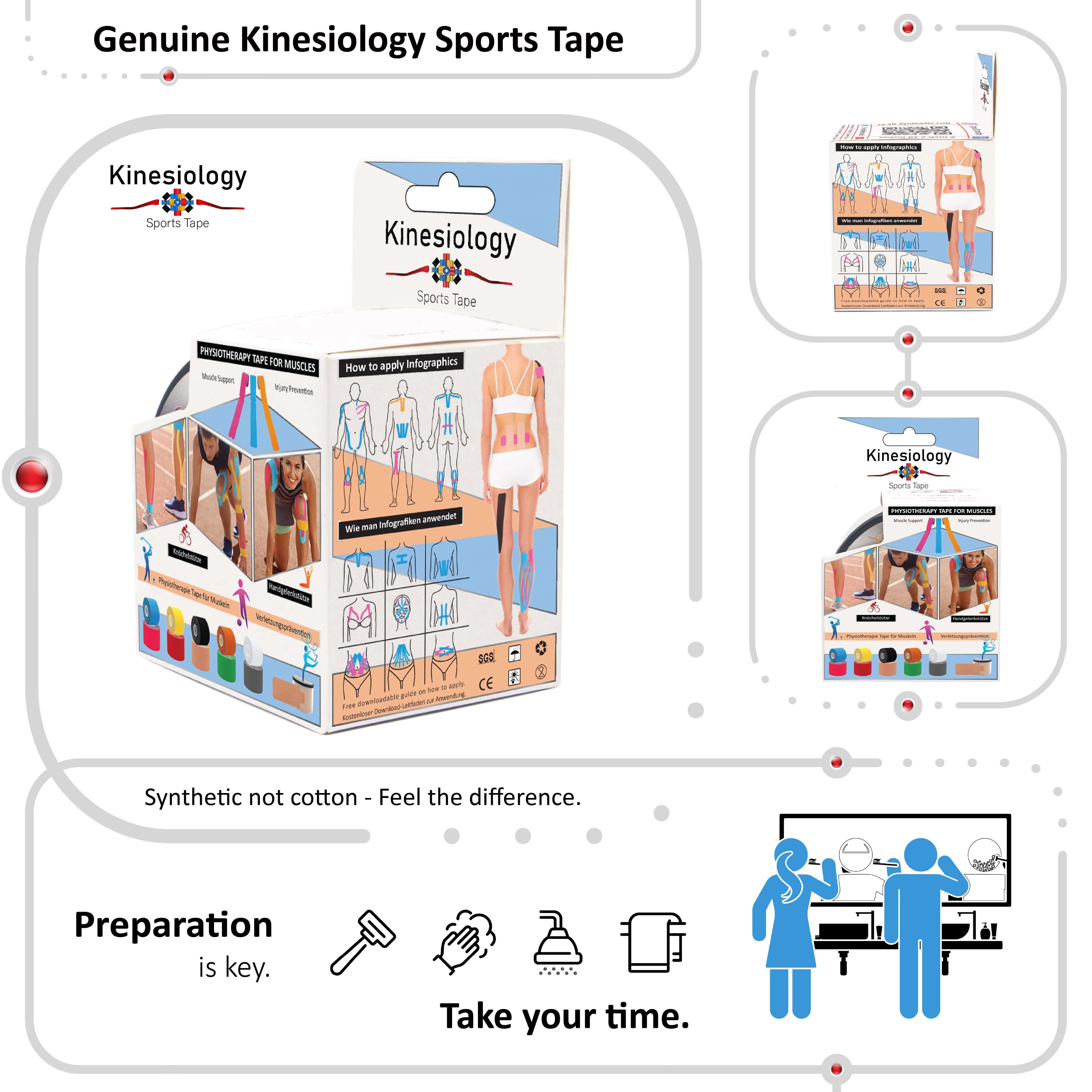
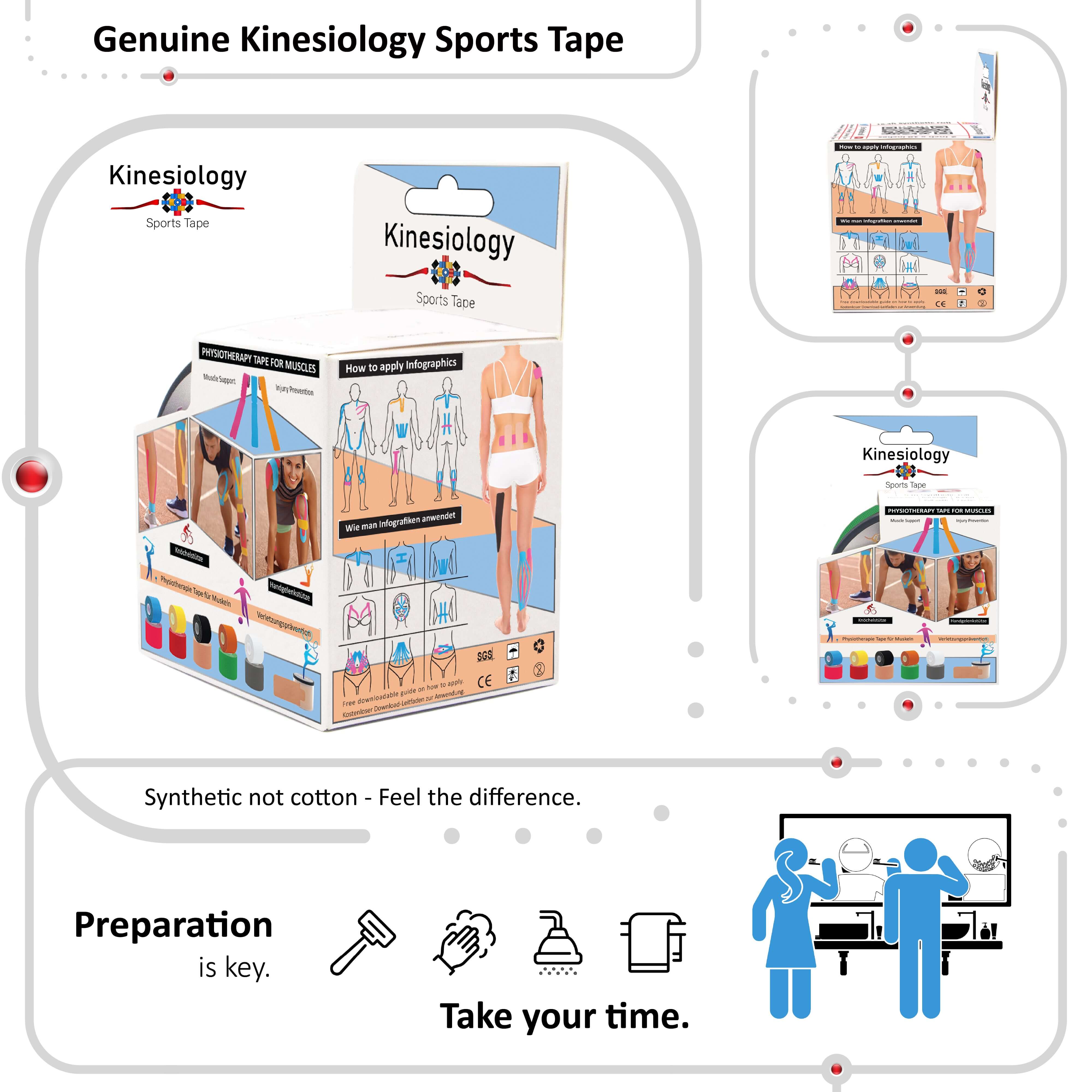
Our pre-cut 5cm × 25cm strips fit the lumbar erector spinae perfectly. Black is the all-purpose choice; beige if you’d rather it not show through a thin shirt.
Black £4.993 for £9.99Three mechanisms work together. First, postural cueing: when you slouch or hunch, the tape pulls slightly on the skin, reminding the erector spinae to engage. This breaks the habit of letting other tissues take the load. Second, proprioceptive feedback: the deep stabilising muscles (multifidus, transverse abdominis) fire earlier and more consistently. Third, skin lift over spasming muscle is thought to ease pressure on local pain receptors, breaking the pain-spasm-pain cycle that drives acute episodes.
Tape doesn’t restrict movement — that’s important, because rest worsens most back pain. You stay mobile with cushioned support.
Yes. Many people wear it 24/7 for a week at a time. Pat dry after showering, don’t rub.
No — different tool. A brace gives mechanical restriction for heavy lifting. Tape gives all-day proprioceptive cueing and pain reduction without restricting motion. Many people use both: brace at the gym, tape for daily wear.
Tape may ease the muscular component, but sciatica from a disc or nerve issue needs a physio assessment first. Don’t self-manage shooting leg pain.
You can do the side strips solo by bending forward and reaching back. The horizontal strip is easier with help. Many people use a mirror.
Yes, our hypoallergenic medical-grade adhesive is safe in pregnancy. Use lower stretch (15 to 25%) to avoid over-tensioning. Many midwives recommend it for third-trimester back support.
Many people notice less ache within the first hour of taping. Meaningful reduction in chronic back pain typically takes 1 to 2 weeks of consistent taping plus the daily walking and strengthening work.
No. Tape manages symptoms during the rehab phase. Disc issues need a proper assessment and tailored physio programme. Tape complements that work, doesn’t replace it.
Browse all 19 taping guides
From neck pain to plantar fasciitis, step-by-step guides for every common condition.
All Pain Guides →Lower Back Taping Gallery