
RECENT POSTS


22.March.2026
Kinesiology Tape for Knee Pain: Complete Relief Guide for Athletes and Active Individual
0 Comments
21.March.2026
Kinesiology Tape for Knee Pain: Complete Relief Guide for Athletes and Active Individuals
0 CommentsKinesiology Tape for Knee Pain: Complete Relief Guide for Athletes and Active Individuals
Introduction
Knee pain represents one of the most common musculoskeletal complaints affecting individuals across all age groups and activity levels [25]. The complex anatomy of the knee joint, combined with its role in supporting body weight during dynamic activities, makes it particularly susceptible to injury and overuse conditions. Traditional approaches to knee pain management often involve rest, medication, or bulky braces that can interfere with normal movement patterns and daily activities.
Kinesiology tape offers a revolutionary approach to knee pain management by providing therapeutic benefits while allowing full range of motion [26]. The tape's unique elastic properties and specialized application techniques can address multiple aspects of knee dysfunction simultaneously, including pain reduction, improved circulation, enhanced proprioception, and mechanical support without movement restriction.
The effectiveness of kinesiology tape for knee pain has been demonstrated across various conditions, from acute injuries to chronic degenerative changes [27]. Understanding the proper application techniques for different knee conditions is essential for maximizing therapeutic outcomes and ensuring safe, effective treatment.
Understanding Knee Anatomy and Pain Mechanisms
The knee joint consists of three primary articulations: the tibiofemoral joint between the femur and tibia, the patellofemoral joint between the patella and femur, and the superior tibiofibular joint [28]. This complex structure is stabilized by four primary ligaments (ACL, PCL, MCL, LCL), two menisci, and numerous muscles that cross the joint.
Patellofemoral pain syndrome represents the most common cause of knee pain in active individuals, characterized by pain around or behind the kneecap [29]. This condition often results from improper patellar tracking during knee movement, which can be influenced by muscle imbalances, hip weakness, and biomechanical abnormalities.
Iliotibial band syndrome causes pain on the lateral aspect of the knee and is particularly common among runners and cyclists [30]. The condition involves inflammation and friction of the IT band as it crosses the lateral femoral condyle during repetitive knee flexion and extension movements.
Kinesiology Tape Mechanisms for Knee Pain
The neurological pain modulation effects of kinesiology tape operate through the gate control theory, where non-painful sensory input can inhibit pain signal transmission [31]. The continuous gentle stimulation provided by properly applied tape can effectively reduce pain perception and improve functional capacity.
The mechanical support provided by kinesiology tape differs significantly from rigid bracing by working with natural movement patterns rather than restricting them [32]. The tape can provide selective support to specific structures while maintaining the complex movement patterns essential for normal knee function.
Proprioceptive enhancement through continuous sensory feedback helps improve knee position awareness and movement control [33]. This enhanced proprioception can lead to improved movement patterns, reduced risk of re-injury, and better overall knee function.
Application Techniques for Common Knee Conditions
Basic knee support technique provides general pain relief and stability for various knee conditions [34]. Position the knee in slight flexion and apply two I-strips along the medial and lateral aspects of the knee with 25-50% tension, ensuring proper anchoring above and below the joint line.
Patellofemoral pain syndrome requires specialized taping to improve patellar tracking [35]. Create a supportive framework around the patella using horizontal and vertical strips, followed by a comprehensive strip that encompasses the entire patellofemoral complex.
IT band syndrome taping involves addressing both the tight IT band and underlying hip weakness [36]. Apply one strip along the IT band with minimal tension, followed by a facilitation strip for the hip abductor muscles to address the root cause of the condition.
Advanced Applications and Troubleshooting
Sport-specific modifications account for the unique demands of different activities [37]. Basketball players may require additional lateral support for cutting movements, while runners may benefit from techniques addressing repetitive loading patterns.
Common application errors include excessive tension, improper positioning, and inadequate skin preparation [38]. If initial applications don't provide expected relief, consider modifying technique, tension, or seeking professional guidance.
FAQ Section
Q: How long should I wear knee tape?
A: Knee tape can typically be worn for 3-7 days, depending on activity level and skin sensitivity [39].
Q: Can I exercise with kinesiology tape on my knee?
A: Yes, kinesiology tape is designed to allow full activity while providing support [40].
Q: Will knee taping help with arthritis?
A: Kinesiology tape can help manage arthritis symptoms by reducing pain and improving function [41].
Q: How do I know if I'm applying the tape correctly?
A: Properly applied tape should feel comfortable and provide noticeable pain relief or improved function [42].
Q: Can children use kinesiology tape for knee pain?
A: Yes, but use gentler tension and monitor closely for skin irritation [43].
References
[25] https://www.mayoclinic.org/diseases-conditions/knee-pain/symptoms-causes/syc-20350849 [26] https://www.kttape.com/blogs/how-to-apply/full-knee-support [27] https://www.ncbi.nlm.nih.gov/pmc/articles/PMC8169012/ [28] https://www.orthoinfo.aaos.org/en/diseases--conditions/common-knee-injuries/ [29] https://www.mayoclinic.org/diseases-conditions/patellofemoral-pain-syndrome/symptoms-causes/syc-20350792 [30] https://www.healthline.com/health/fitness/it-band-syndrome [31] https://www.verywellhealth.com/kinesiology-tape-in-physical-therapy-2696435 [32] https://www.performancehealth.com/articles/kinesiology-tape-101-everything-you-need-to-know [33] https://www.ncbi.nlm.nih.gov/pmc/articles/PMC4868206/ [34] https://www.thysol.us/how-to-tape/knee-pain/ [35] https://www.verywellhealth.com/patellofemoral-pain-syndrome-2696167 [36] https://www.runnersworld.com/health-injuries/a20791648/how-to-treat-it-band-syndrome/ [37] https://www.acsm.org/docs/default-source/files-for-resource-library/knee-injuries-in-athletes.pdf [38] https://www.goodrx.com/well-being/movement-exercise/what-is-kinesiology-tape [39] https://coastalorthopedics.com/blog/benefits-of-kinesio-tape/ [40] https://oaidocs.com/2018/09/14/benefits-of-kinesiology-tape/ [41] https://www.arthritis.org/health-wellness/treatment/complementary-therapies/physical-therapies/kinesiology-tape-for-arthritis [42] https://therapypartnersgroup.com/7-conditions-that-kinesio-tape-can-benefit-from/ [43]
Tape used in this guide
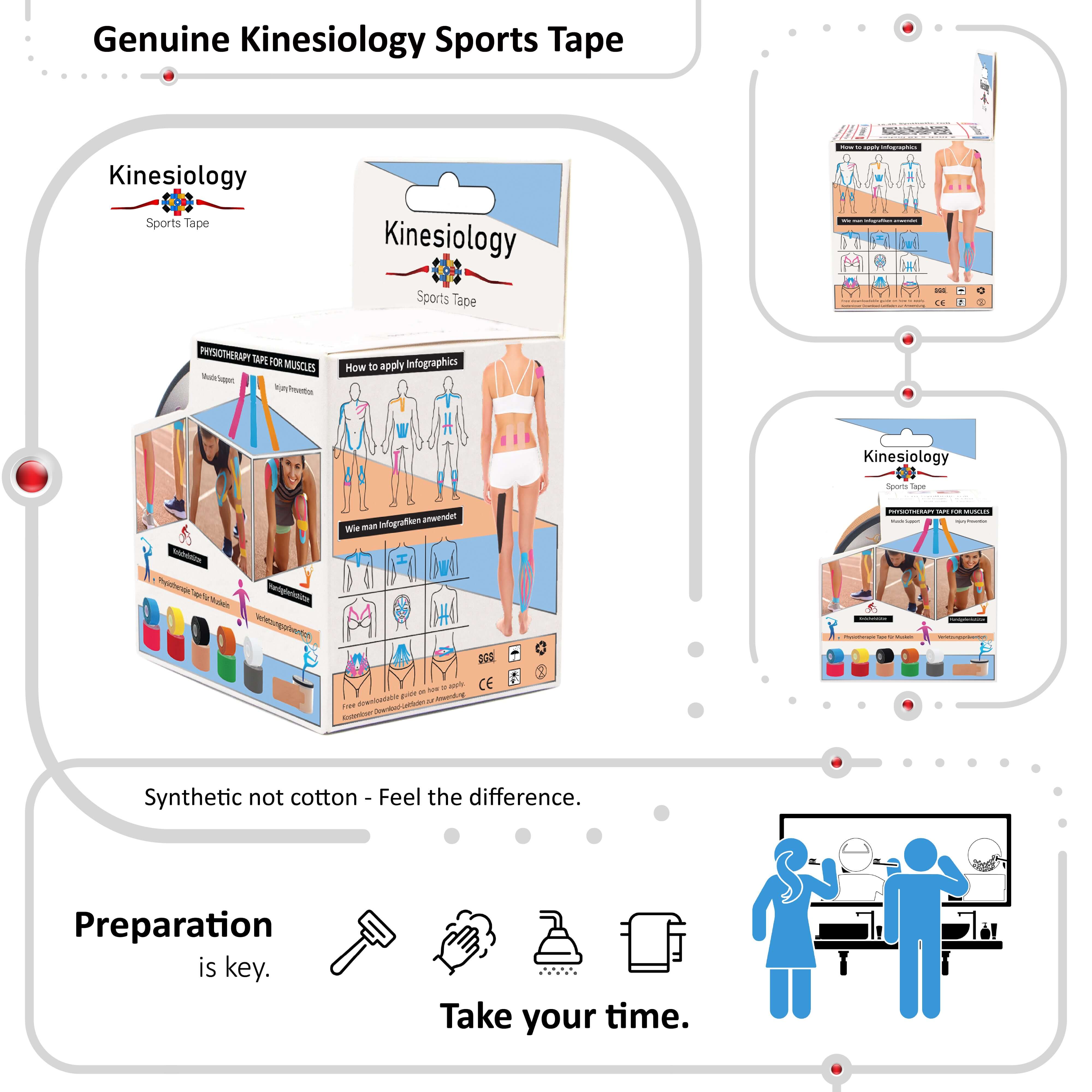
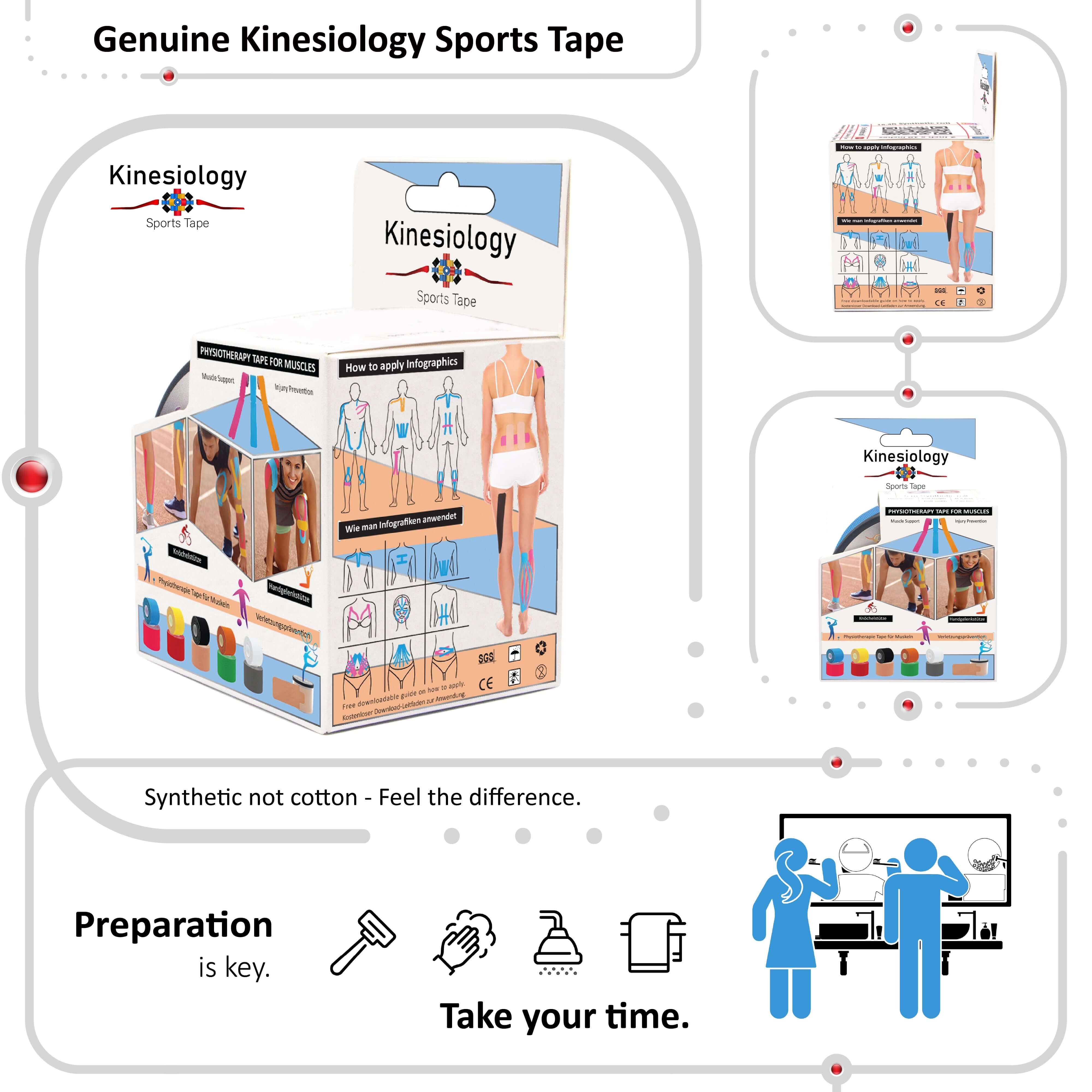
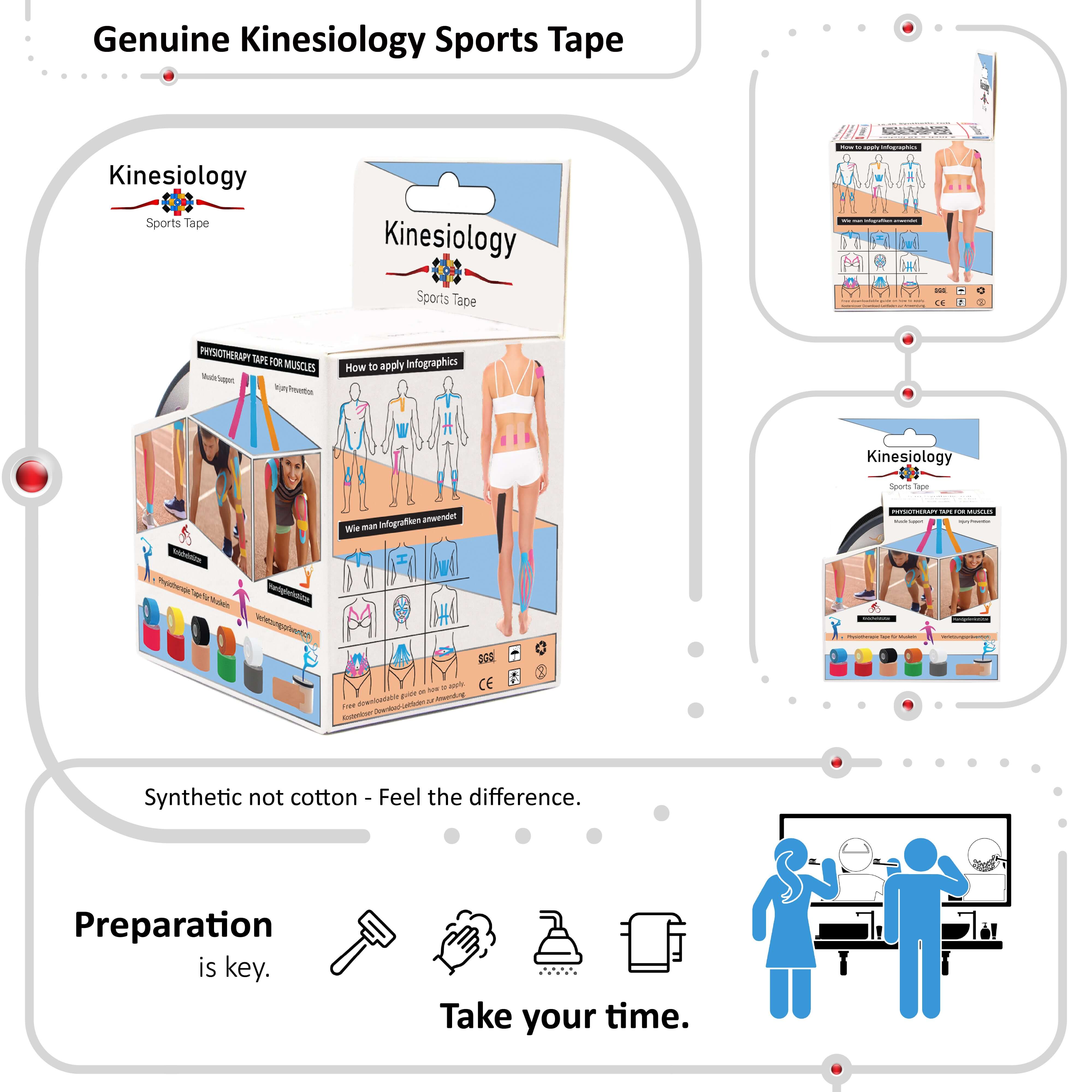
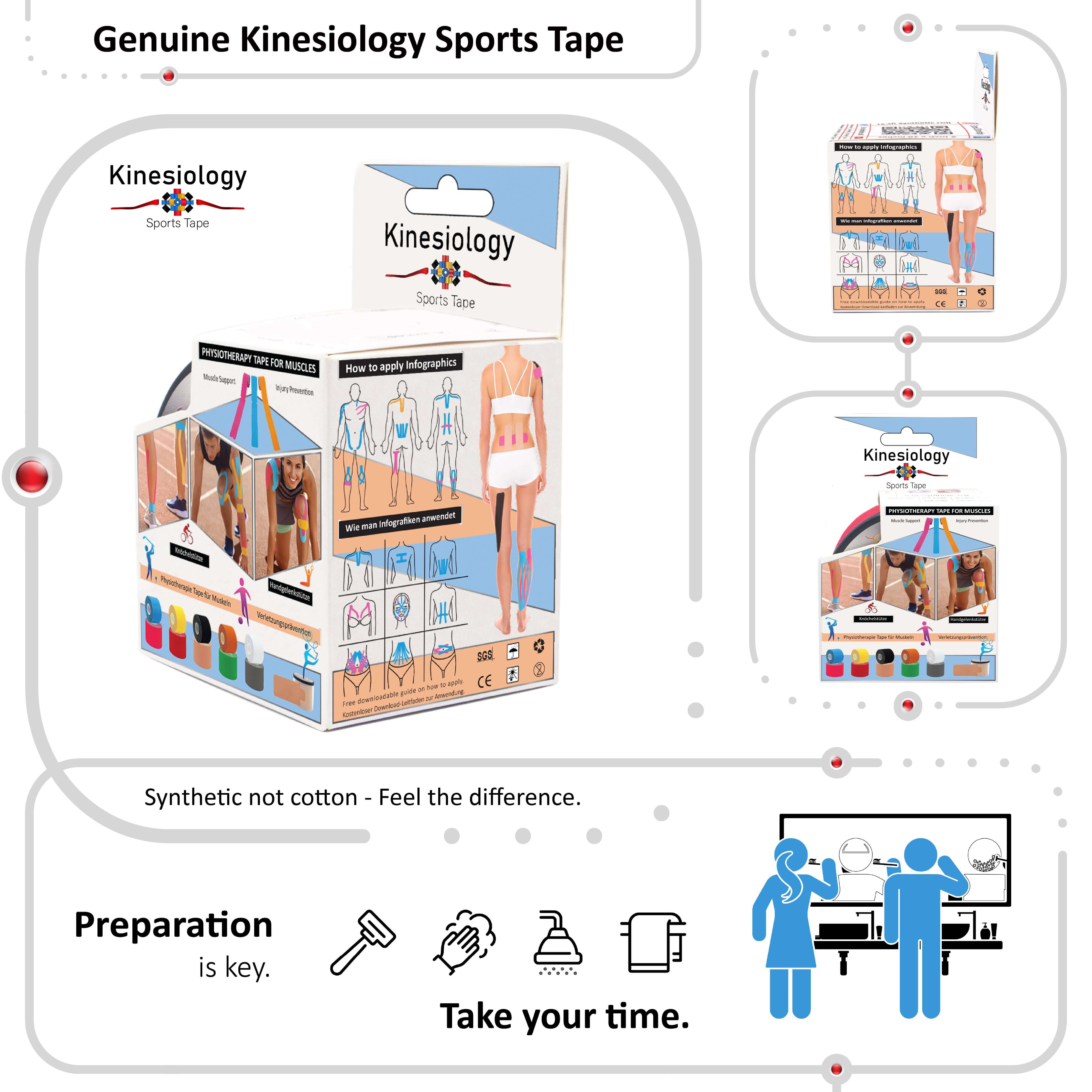
Pre-cut 20 strips with a dispenser box. 3 rolls for £14.97, delivered free — 6 for £22.99 delivered. Free UK delivery on 3 rolls or more, £4.95 on 1 or 2.
See all 26 colours and designs →


Not sure which to buy? Read the UK buyer’s guide · Mix colours and designs on the counter
Related post
22
Mar
21
Mar