
Price :
QTY :
CART TOTALS :
There are items
in your cart
CART TOTALS :
With this products also buy:
Your shopping bag is empty
Go to the shop
Wellness & Skincare
Facial kinesiology tape for sleep-wrinkle prevention, gentle skin lift around the eyes and jaw, TMJ tension relief, lymphatic drainage (puffiness) and post-cosmetic procedure recovery. A wellness tool — not a permanent treatment.
Face taping is wellness, not medicine. Borrowed from Korean and Japanese skincare practice and adopted by physios for TMJ and post-surgical lymphatic work, it offers gentle, temporary support — nothing permanent. Used overnight or for a few hours, it can smooth sleep creases, reduce morning puffiness, and ease TMJ jaw tension. It does not reverse wrinkles, replace skincare, or substitute for cosmetic procedures. With those honest expectations set, it’s a genuinely useful tool.
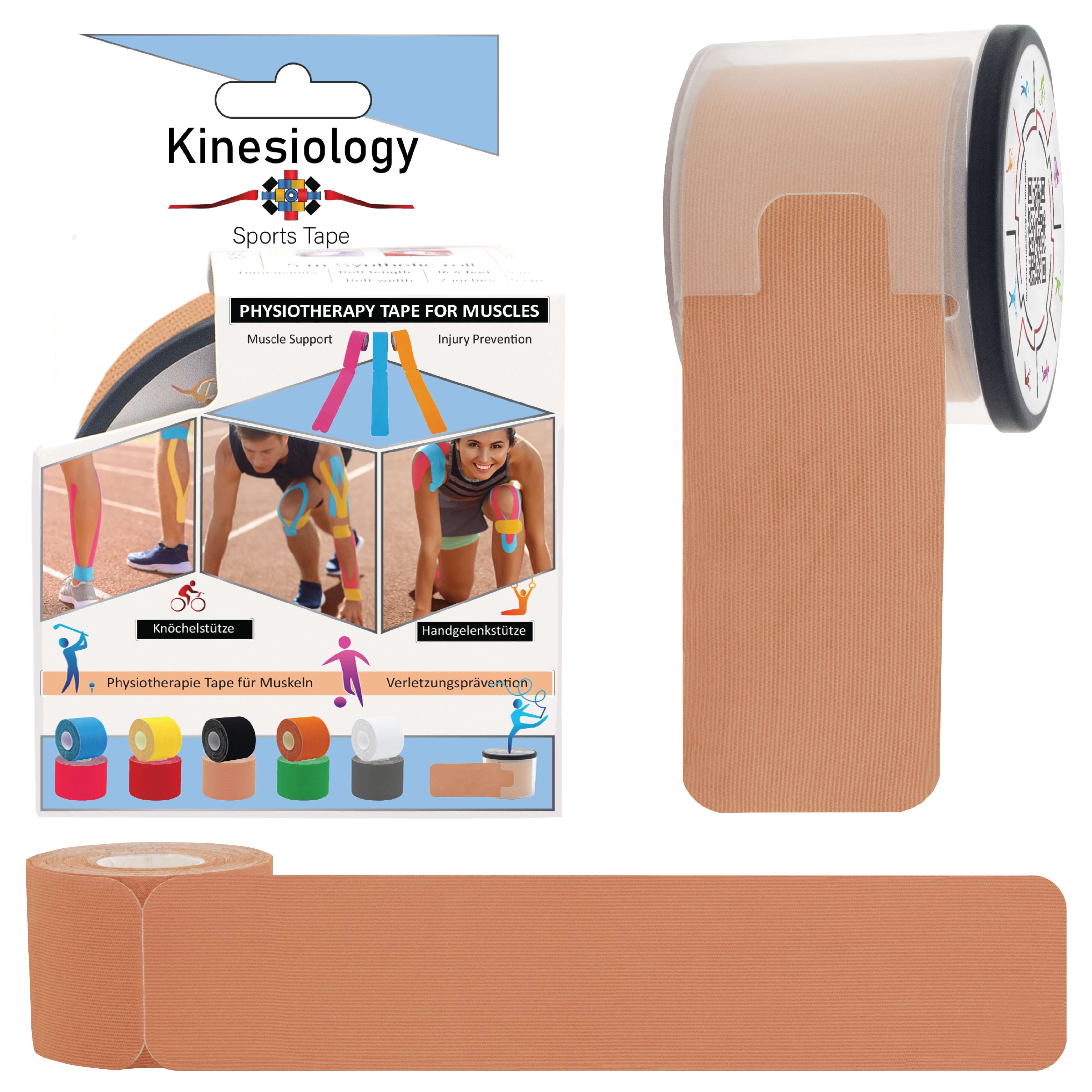
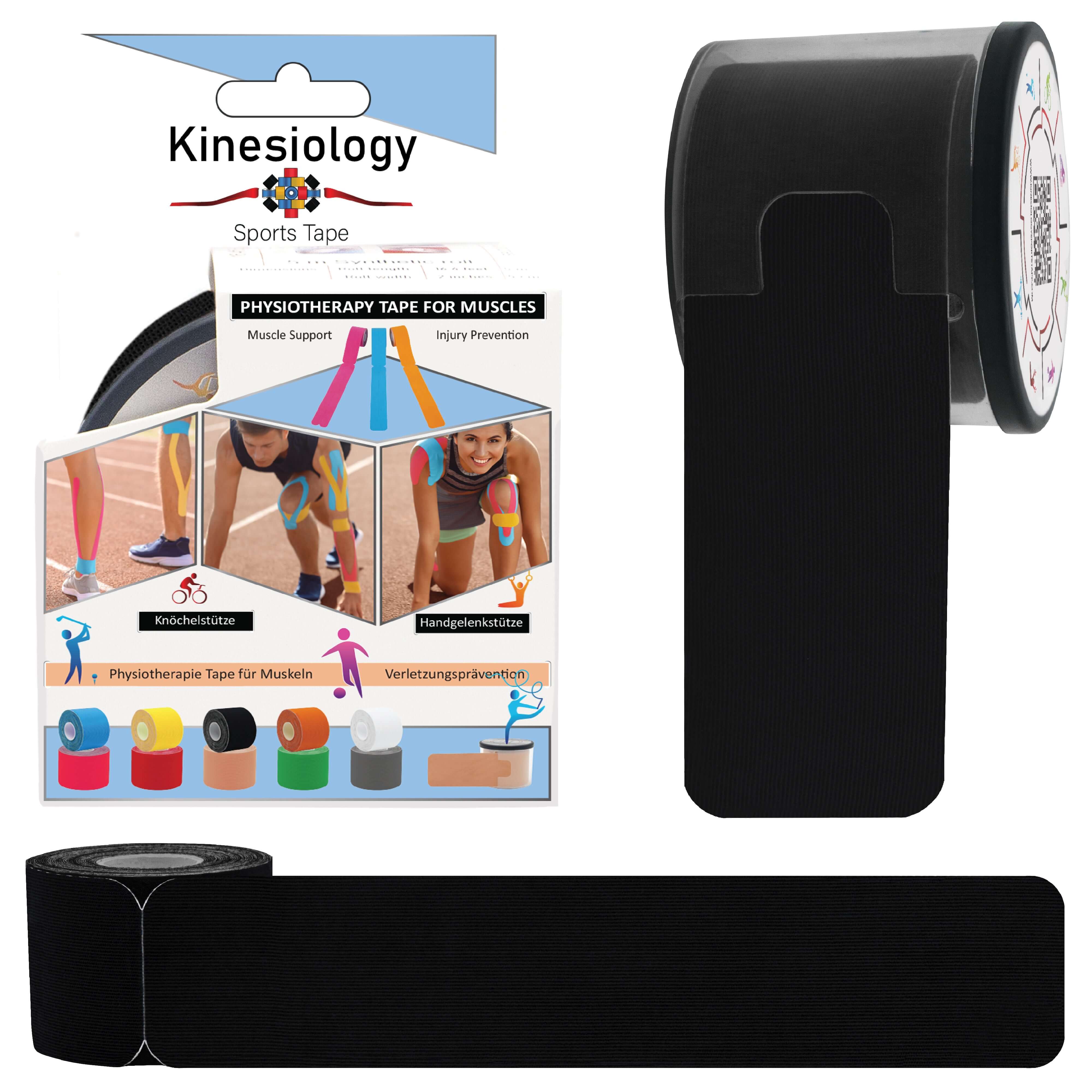
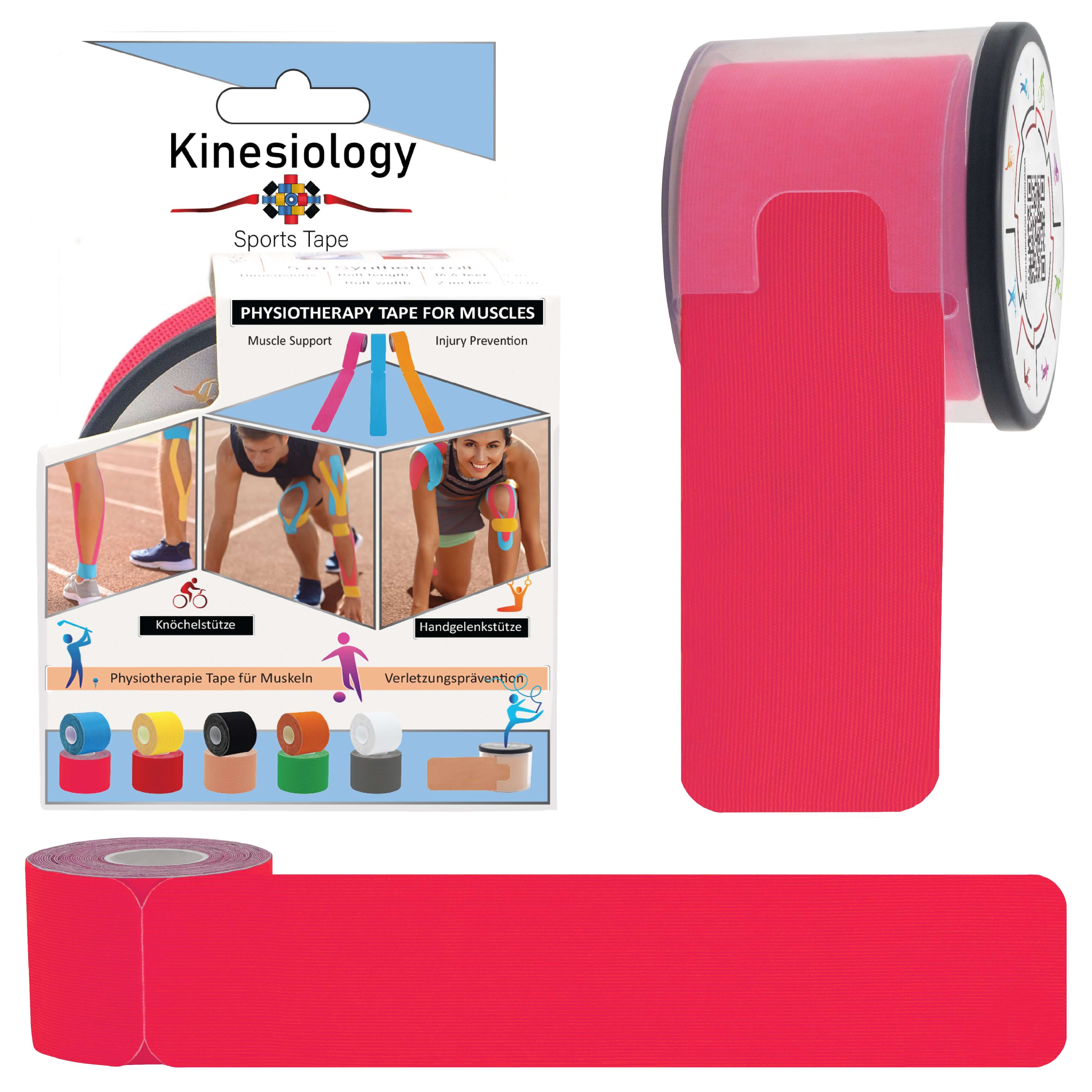
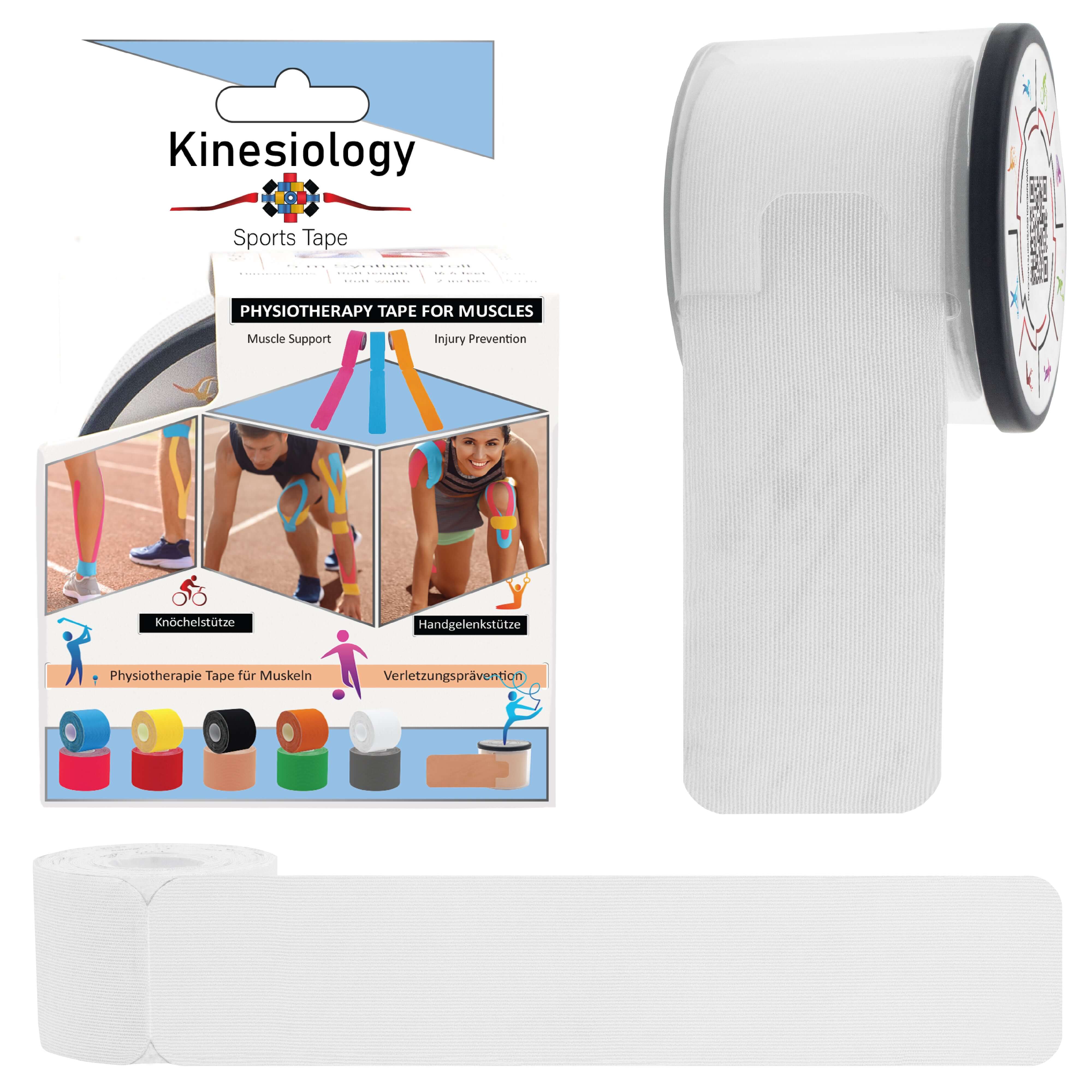
Pre-cut hypoallergenic strips. Latex-free, safe overnight. Beige (discreet), Pink (puffiness), Black (chic). From £4.99 · 3 rolls £9.99 (60 strips).
Shop Face Taping Range →Code FREESHIP = free UK delivery, any order · KSTLAUNCH = 15% off £15+ · until 12 June
Side and front sleepers compress the face into the pillow for 6 to 8 hours nightly. Over years this etches diagonal “sleep lines” into the cheeks, forehead and around the mouth that don’t correlate with facial expression. Tape holds the skin in a neutral position overnight, breaking the daily compression cycle.
Tape pattern: Small strips (around 2cm) placed perpendicular to forming sleep lines — vertically across forehead furrows, diagonally across cheek folds — at 25% stretch. Apply to clean, dry skin after evening skincare, remove gently in the morning.
Over time, repetitive facial expressions etch the “11s” between the brows, the parentheses around the mouth and the crow’s feet at the eyes. Tape doesn’t paralyse muscle the way Botox does, but it does provide a tactile reminder not to repeatedly furrow or squint — useful for daytime habit-breaking.
Tape pattern: Tiny strips between the brows (vertical) and at the outer eyes (radial fan), 15 to 25% stretch. A wearable nudge against the habit.
Strategic strips along the jawline and under the cheekbones provide a temporary visual lift — useful for events, photoshoots or simply a fresher morning look. The effect is real but mechanical: pull the skin in a direction, the skin sits in that direction. Remove the tape and the lift is gone.
Tape pattern: Long, narrow strips anchored at the temples, drawn diagonally upward across the cheekbones (cheek lift), and short strips along the jawline anchored behind the ear (jawline definition). 25 to 50% stretch.
Temporomandibular joint dysfunction — jaw clicking, masseter tightness, morning jaw soreness from night-time clenching, ear-area pain. Massively under-recognised, often stress-related, and very common in office workers. Tape over the masseter eases the muscle’s baseline tone.
Tape pattern: Short Y-strip over the masseter, anchored just in front of the ear, tails fanning down toward the jaw angle at 15 to 25% stretch with the mouth held gently open during application. Can be worn overnight or during stressful work periods.
Used clinically by post-cosmetic-surgery nurses and aesthetic practitioners. Fan-pattern tape over the lower face and neck encourages superficial lymphatic flow toward the cervical nodes, reducing morning puffiness around the eyes and along the jawline.
Tape pattern: Fan-cut strips with the anchor at the side of the neck (over lymph nodes) and tails fanning up across the cheek and along the jaw at very low stretch (10 to 15%). The lift, not the tension, does the work.
After facial cosmetic procedures — not as a treatment, but as a recovery aid — tape reduces bruising and swelling by supporting lymphatic flow. Many aesthetic clinics now include lymphatic taping in post-op aftercare. Always use only with the explicit clearance of your cosmetic practitioner, and never over fresh incisions, fillers, fresh Botox or healing skin.
Tape pattern: Practitioner-guided. Typically gentle fan strips clear of the treated zone, encouraging fluid drainage toward the neck.
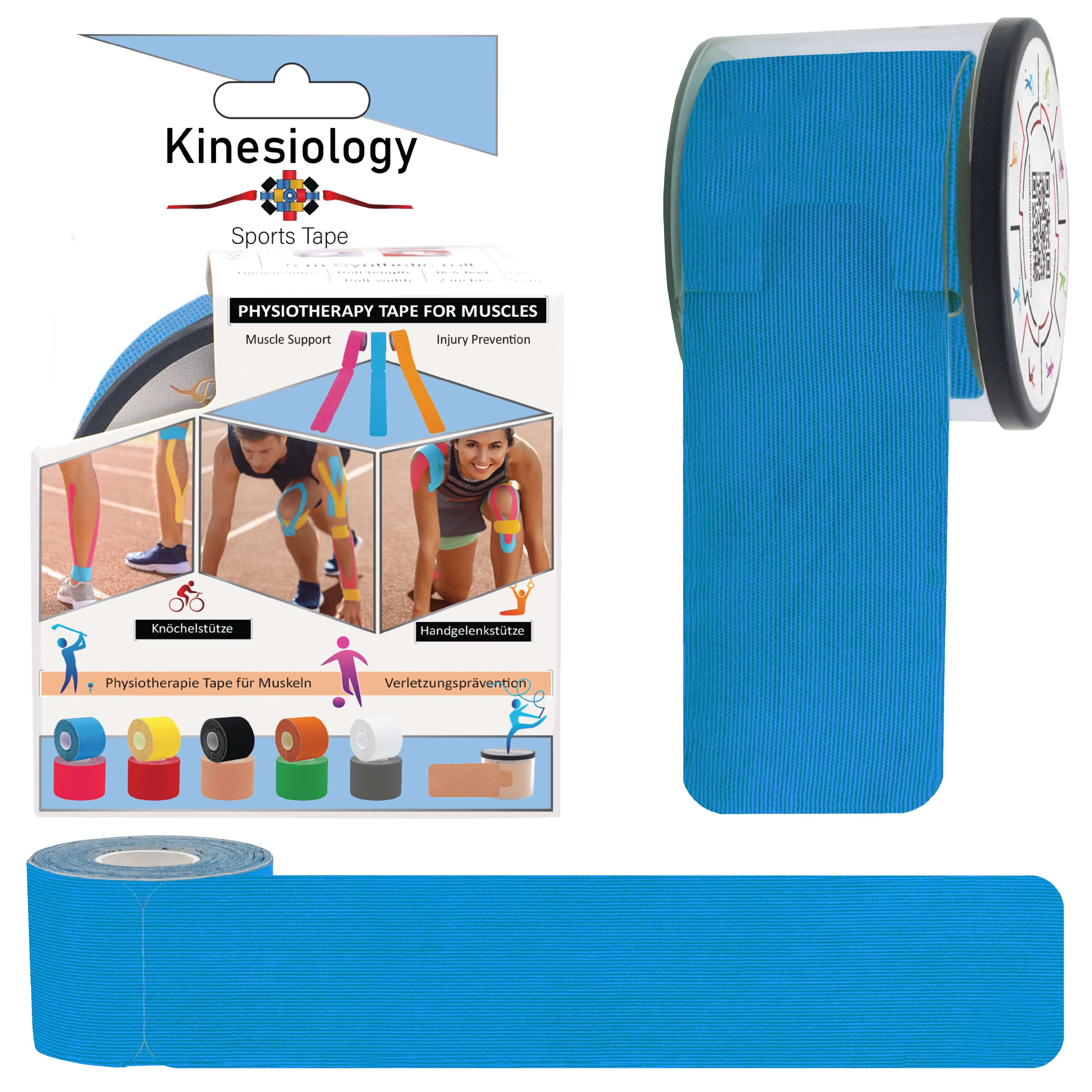
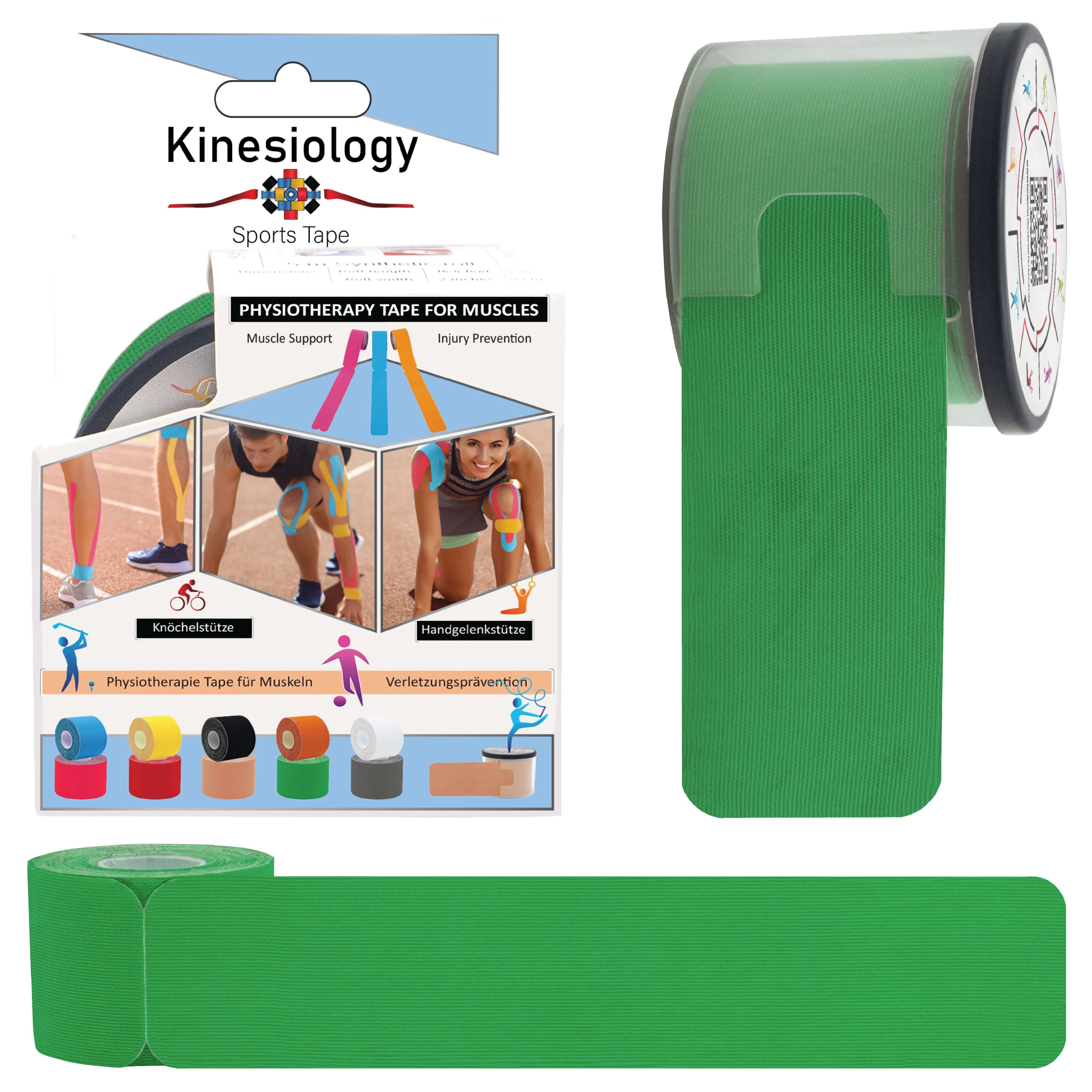
Shop Face Taping Range →Beige is the discreet skin-tone choice for overnight wear; Pink for anti-puffiness aesthetic; Black for chic TMJ daytime; White for a clinical look. Cut into small 1–2cm strips for facial use.
From £4.99 per pack · 3 rolls £9.99 (60 strips, £0.17 each)
Shop Face Taping RangeAll 10 ColoursFace-taping picks: Beige · Pink · Black · White
Code FREESHIP = free UK delivery, any order · KSTLAUNCH 15% off £15+ · until 12 June
Face taping has two real, measurable mechanisms and one cultural one. Mechanical skin positioning — the tape physically holds skin in a different position than it would otherwise rest, preventing the deepening of sleep creases or compression lines overnight. The effect is real while worn and gone shortly after removal. Lymphatic stimulation — very low-tension fan patterns appear to encourage superficial lymphatic flow, which is why aesthetic clinics use it post-procedure for swelling. Modest but real. Behavioural cueing — the tactile sensation reminds you not to furrow, squint or clench. The skincare equivalent of a fitness tracker.
What it doesn’t do: reverse existing wrinkles, replace retinol or SPF, substitute for Botox or fillers, change facial structure, or provide a permanent lift. The Korean and Japanese skincare communities that popularised it are clear-eyed about this — it is part of a routine, not a transformation.
Honestly: for sleep-wrinkle prevention and lymphatic puffiness, yes — modestly. For TMJ relief, often yes. For permanent wrinkle reversal or facial restructuring, no. Anyone selling face tape as anti-ageing magic is overselling. Used realistically, it’s a useful adjunct to skincare and good sleep habits.
Yes, that’s the most common use. Apply to clean, dry skin after evening skincare, sleep up to 8 hours, remove gently with warm water in the morning. Never cover the nose, mouth or eyes.
No. Skincare actives (retinol, vitamin C, SPF) and clinical interventions work on the skin itself or on muscle activity. Tape works mechanically on the skin’s position. They’re complementary, not substitutes.
For most healthy skin, yes — provided you use a hypoallergenic tape, patch-test, and remove gently. Repeated aggressive removal can stress the skin barrier — always soak with warm water and lift slowly. Daily use is fine; nightly use is the most common pattern.
Soak with warm water or a warm flannel for 30 seconds. Lift one corner and roll the tape back along itself (not up away from the skin) at a low angle. Slow and gentle. Apply moisturiser afterward.
Only with your practitioner’s explicit clearance and guidance. Some clinics include lymphatic taping in post-op aftercare; others advise waiting. Never tape over fresh injectables, fillers, peels or healing skin without sign-off.
Browse all 19 taping guides
From neck pain to ankle sprains, step-by-step guides for every common condition.
All Pain Guides →