
Price :
QTY :
CART TOTALS :
There are items
in your cart
CART TOTALS :
With this products also buy:
Your shopping bag is empty
Go to the shop
Pregnancy & Postnatal
A drug-free option for common pregnancy aches — lower back ache, bump support, pelvic girdle pain, round ligament pain — and postnatal recovery. Always use with the knowledge of your midwife or women’s health physio.
Pregnancy comes with real physical demands — and limited pain-relief options. Kinesiology tape is one of very few tools a women’s health physio can offer that is non-pharmaceutical, drug-free and works alongside your body rather than against it. Used appropriately, it can ease lower back ache, support a heavy bump, reduce pelvic girdle pain and help with round ligament discomfort. It does not treat any condition of pregnancy; it makes daily life a little more comfortable. Please discuss any use with your midwife, GP or physio first — this page is for information, not medical advice.
Lower back ache affects an estimated 50 to 70% of pregnancies, typically from the second trimester onward. The growing bump shifts the centre of gravity forward, the lordotic curve deepens and the lumbar erectors work overtime. Tape gives them a break.
Tape pattern: Two vertical I-strips either side of the lumbar spine from L1 down to the sacrum, at 15 to 25% stretch. Apply with the patient seated and gently leaning forward. Use with midwife or physio approval.
Full Lower Back Pain Guide →From around 28 weeks the weight of the bump can feel pulling and heavy, especially by the end of the day or after standing. A “belly sling” tape pattern lifts and supports the lower abdomen without restricting baby’s space.
Tape pattern: Two long I-strips fan up from the pubic bone around the underside of the bump to anchor either side of the navel at 15 to 25% stretch — gentle and supportive, never tight. Avoid in the first trimester. Midwife or physio approval first.
Sharp or grinding pain at the front of the pelvis (pubic symphysis), the sacroiliac joints at the back, or both. Affects up to 1 in 5 pregnancies. Worsens with stairs, getting in and out of cars, single-leg standing and rolling over in bed. Pregnancy hormones (relaxin) loosen the pelvic ligaments and create instability.
Tape pattern: Sacroiliac stabilisation strips horizontally across each SI joint at 50% stretch (middle only, zero at ends), plus a gentle compressive band around the pelvis. This pattern should be applied or shown by a women’s health physio — the placement matters.
Sharp, brief pulling pain low in the abdomen, usually one-sided, triggered by sudden movement, coughing or rolling over. Most common in the second trimester as the round ligaments stretch to accommodate the growing uterus.
Tape pattern: A gentle decompression strip diagonally across the painful side of the lower abdomen at 25% stretch with the patient lying down and the muscle relaxed. Use with midwife approval and stop immediately if uncomfortable.
Around two thirds of women have a persistent gap in the abdominal midline at six weeks postnatal. Tape doesn’t close the gap — physio-led core rehab does — but it gives the abdominal wall a tactile cue to switch back on during daily lifting, carrying and feeding.
Tape pattern: Two vertical I-strips either side of the midline with the gap drawn together by hand, at 25% stretch. Wait until your six-week postnatal check and your midwife or GP has cleared you. See our abdominal taping page for detail.
A specific subtype of pelvic girdle pain — sharp pain at the front of the pelvis on the pubic bone, worse on standing on one leg, climbing stairs or parting the legs in bed. Tape provides a gentle compressive cue across the pubic symphysis to reduce shearing.
Tape pattern: Horizontal I-strip across the pubic symphysis at 25% stretch, anchored on each ilium. Always with women’s health physio guidance; many NHS maternity units offer this.
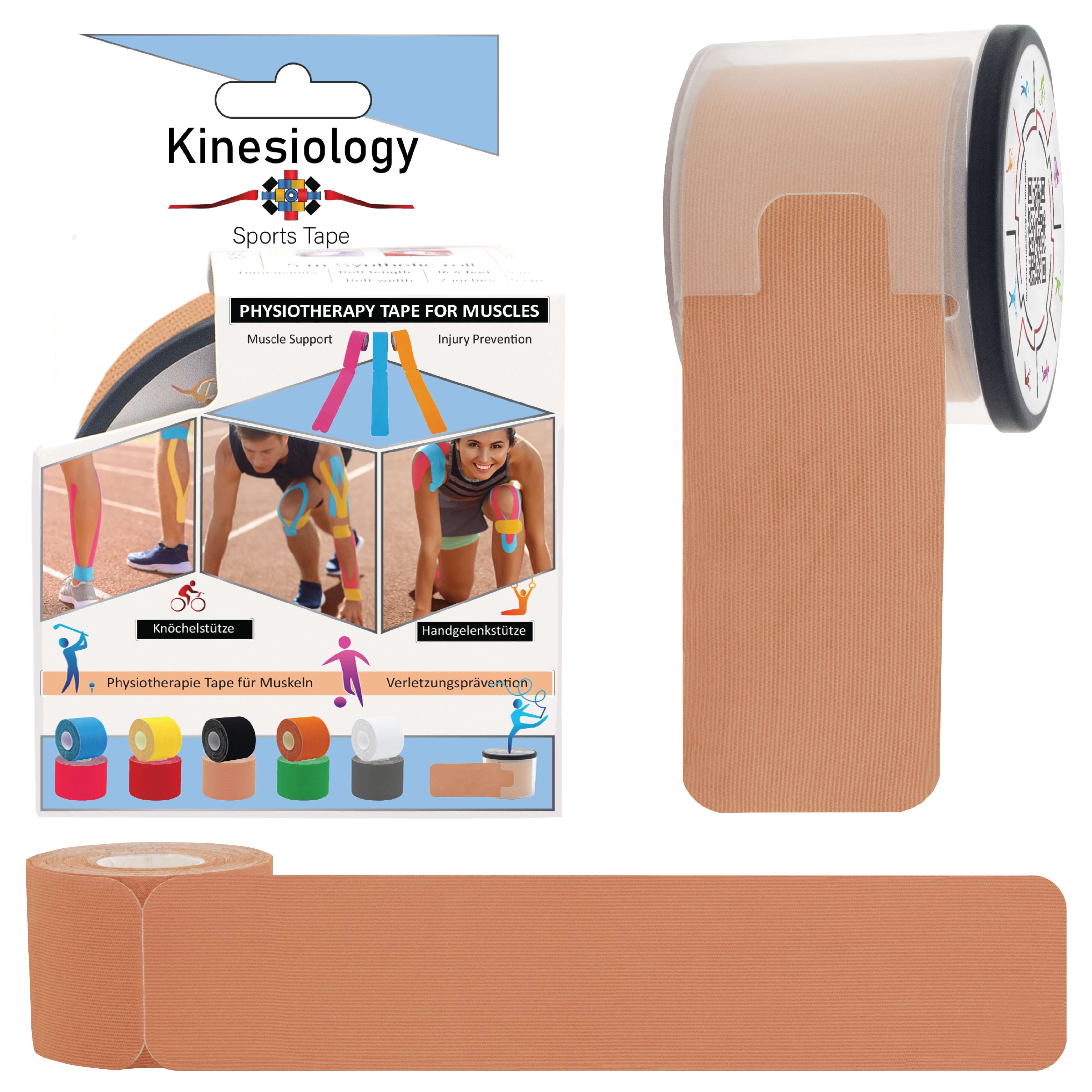
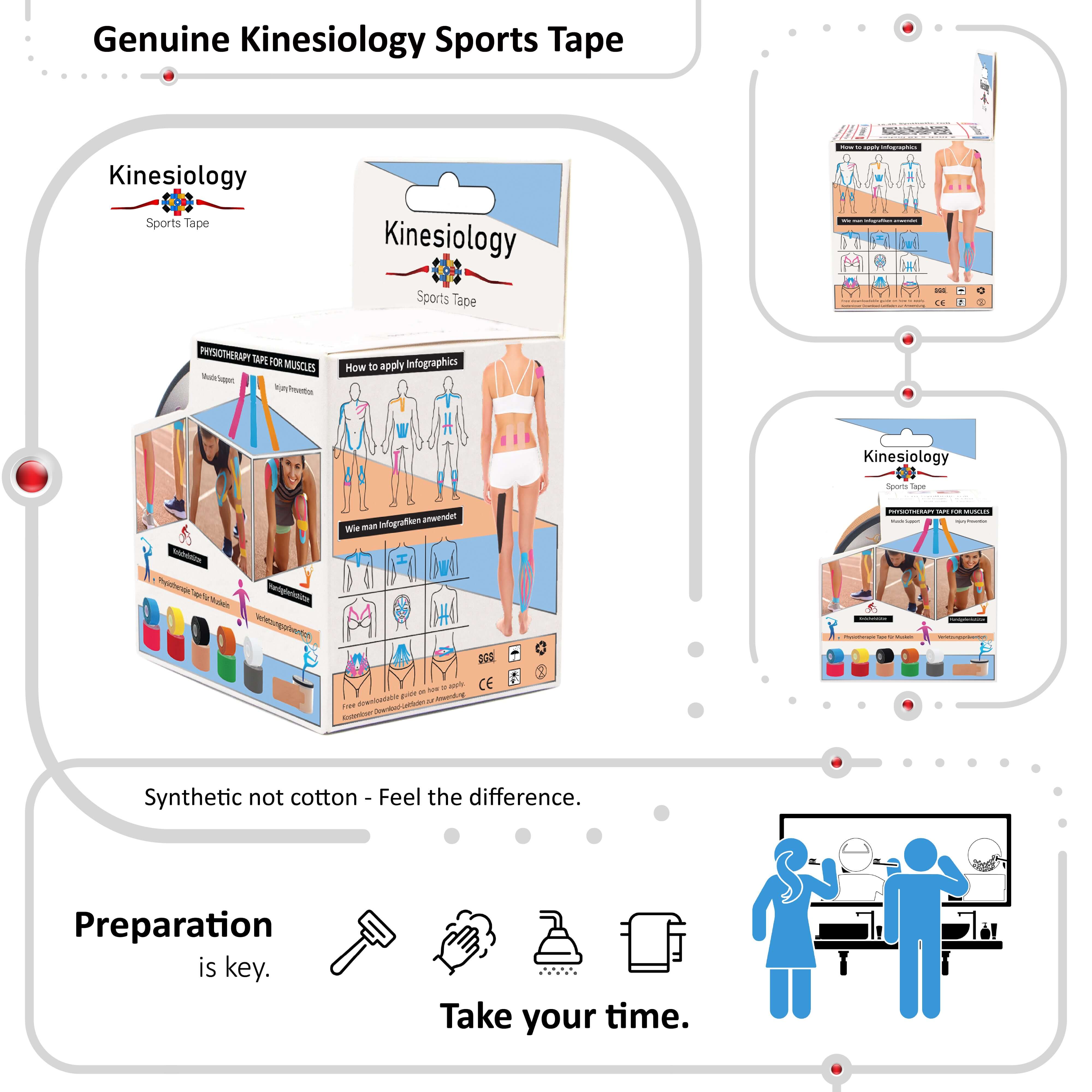
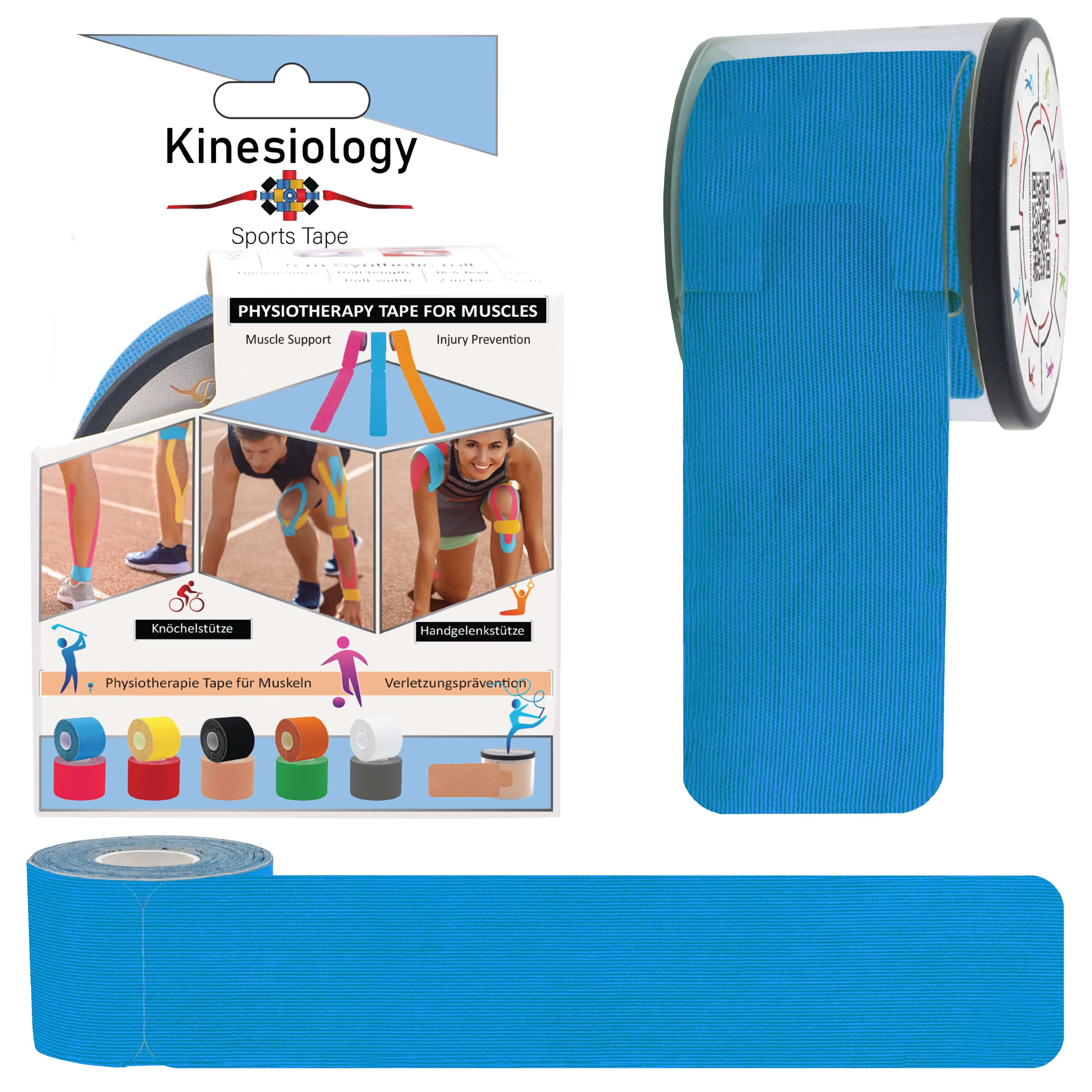
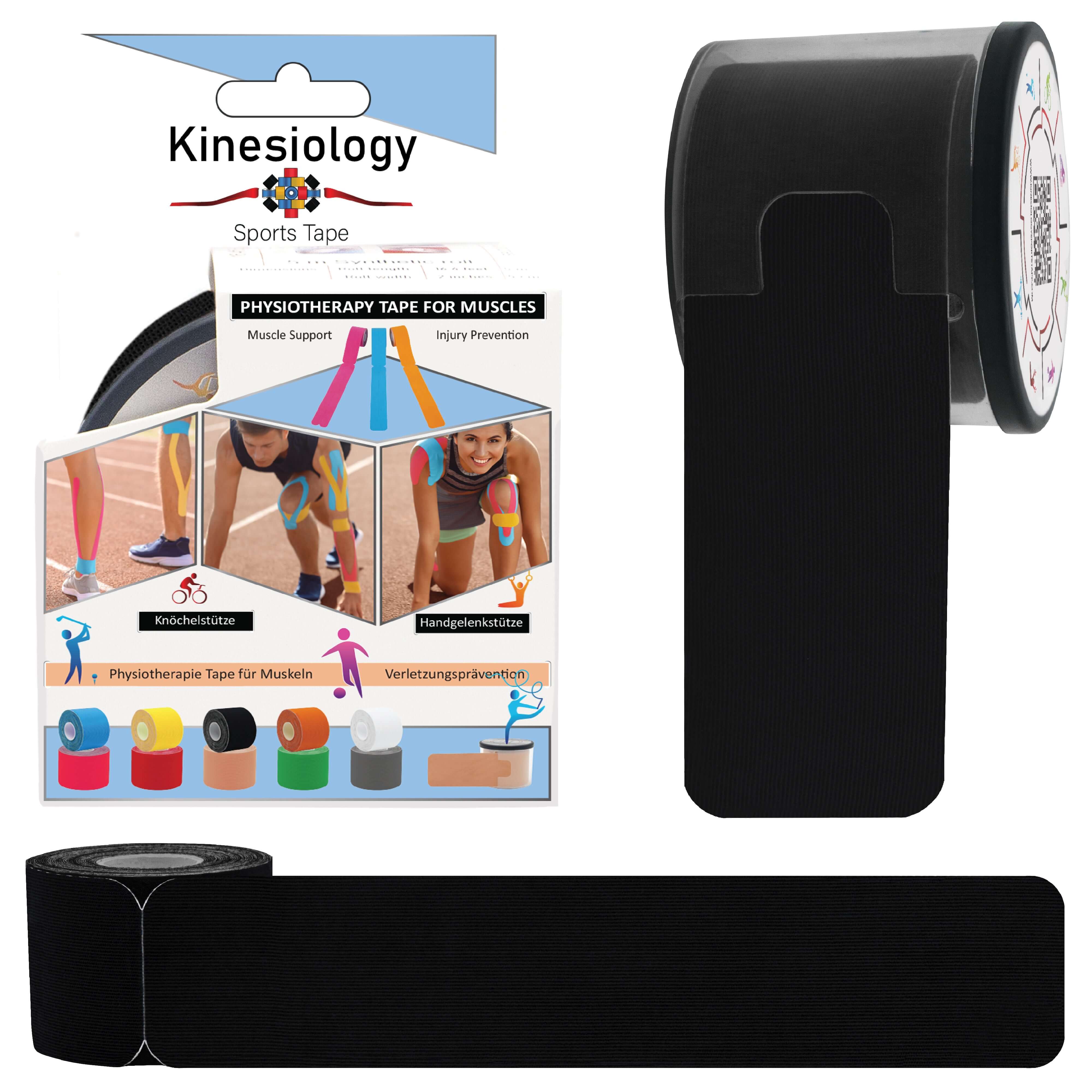
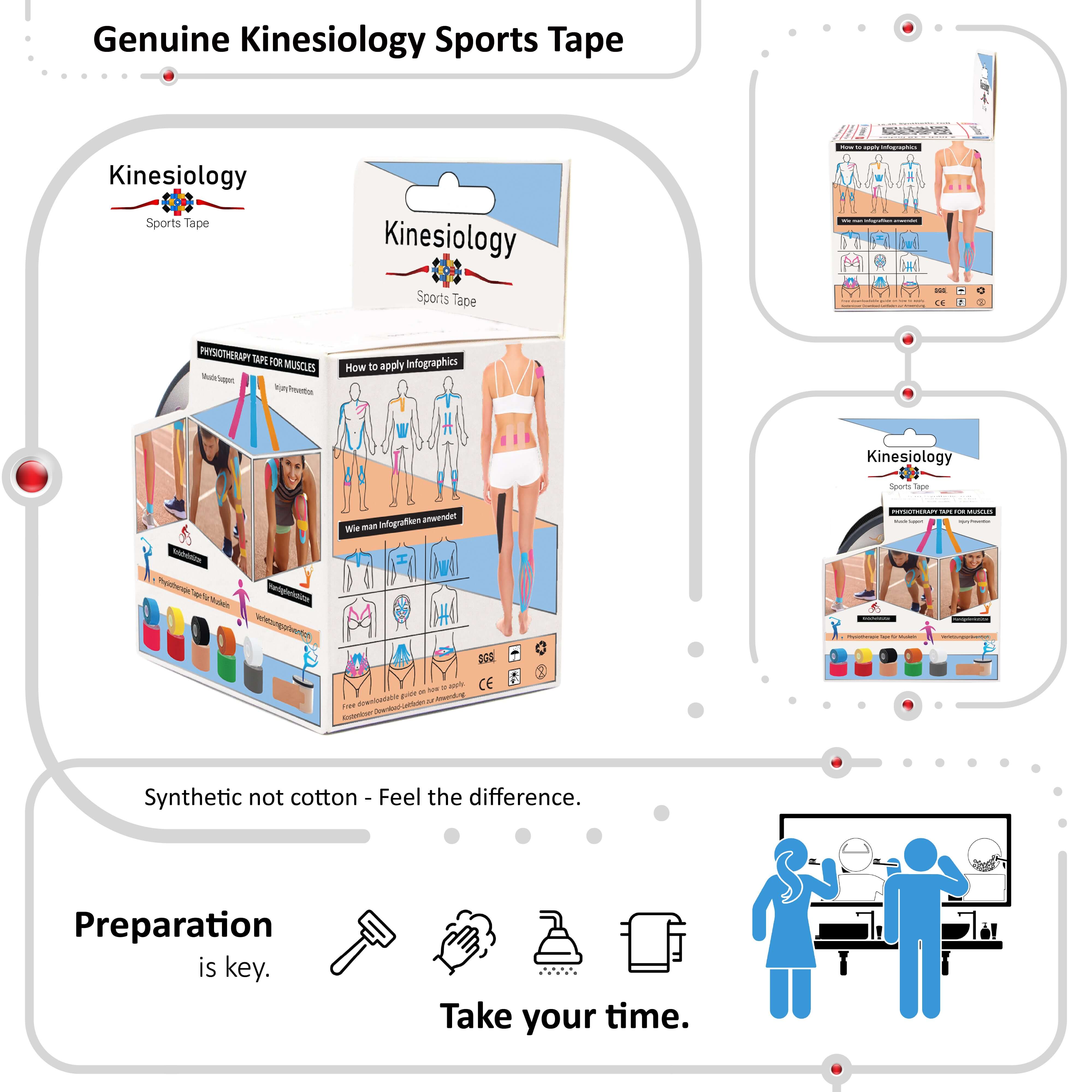
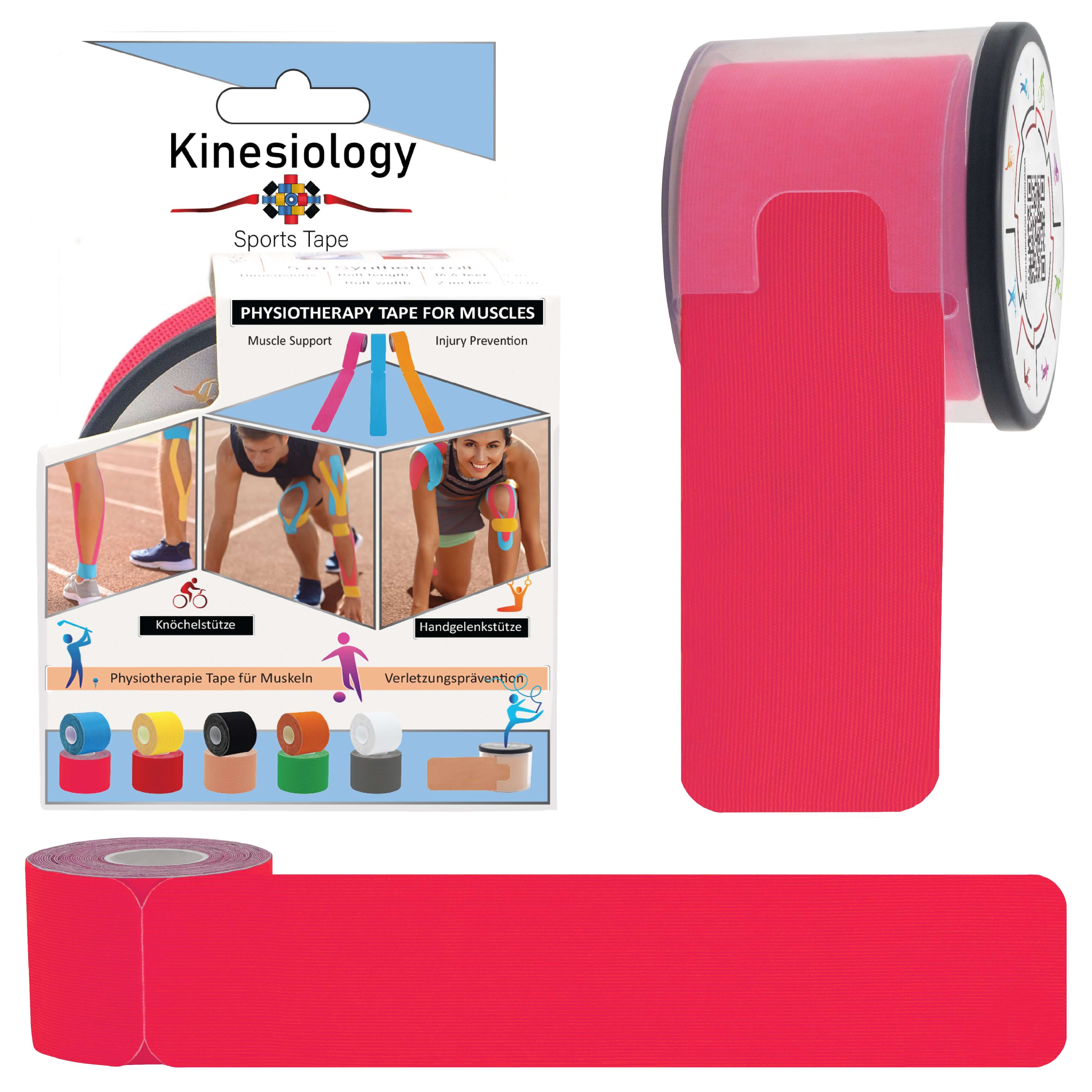
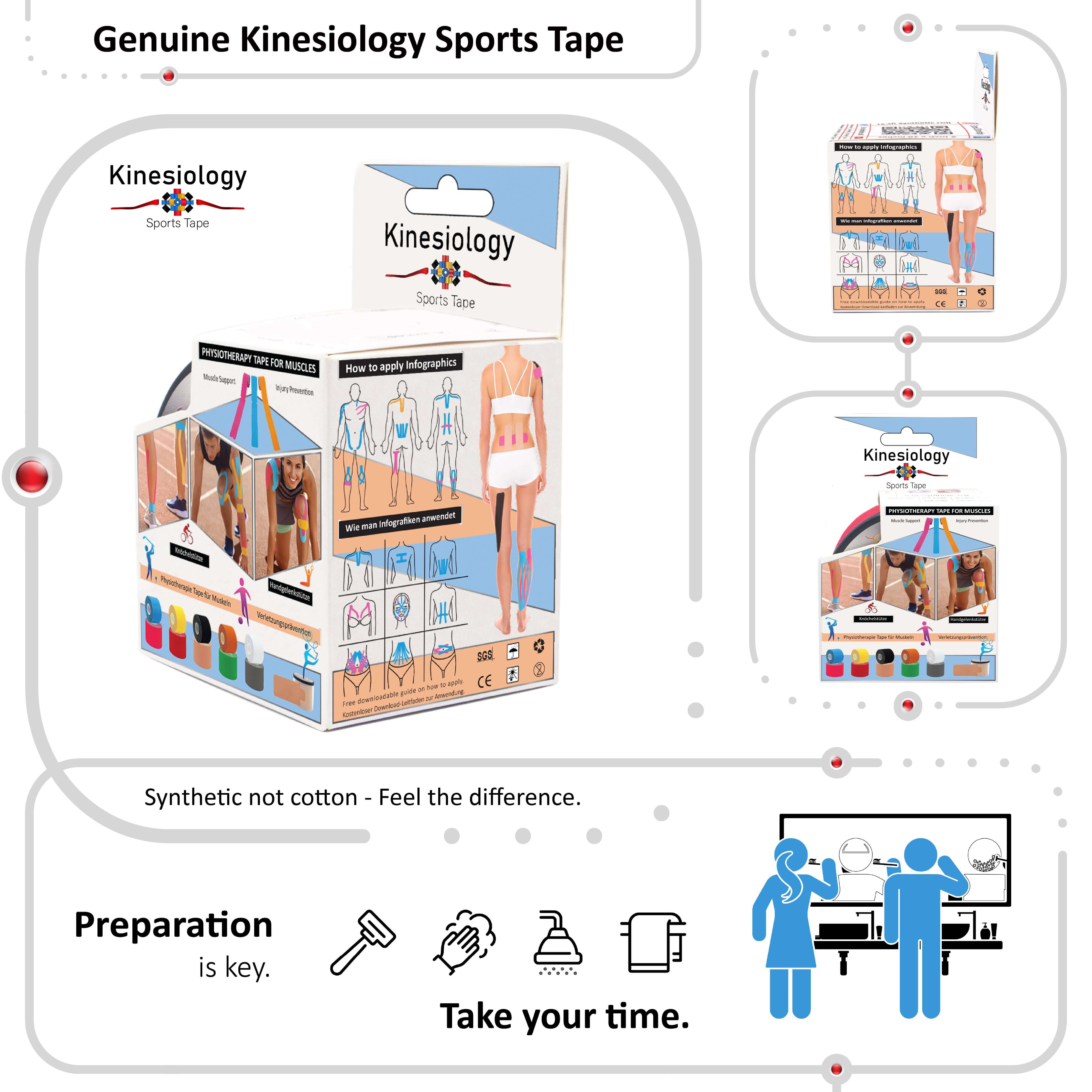
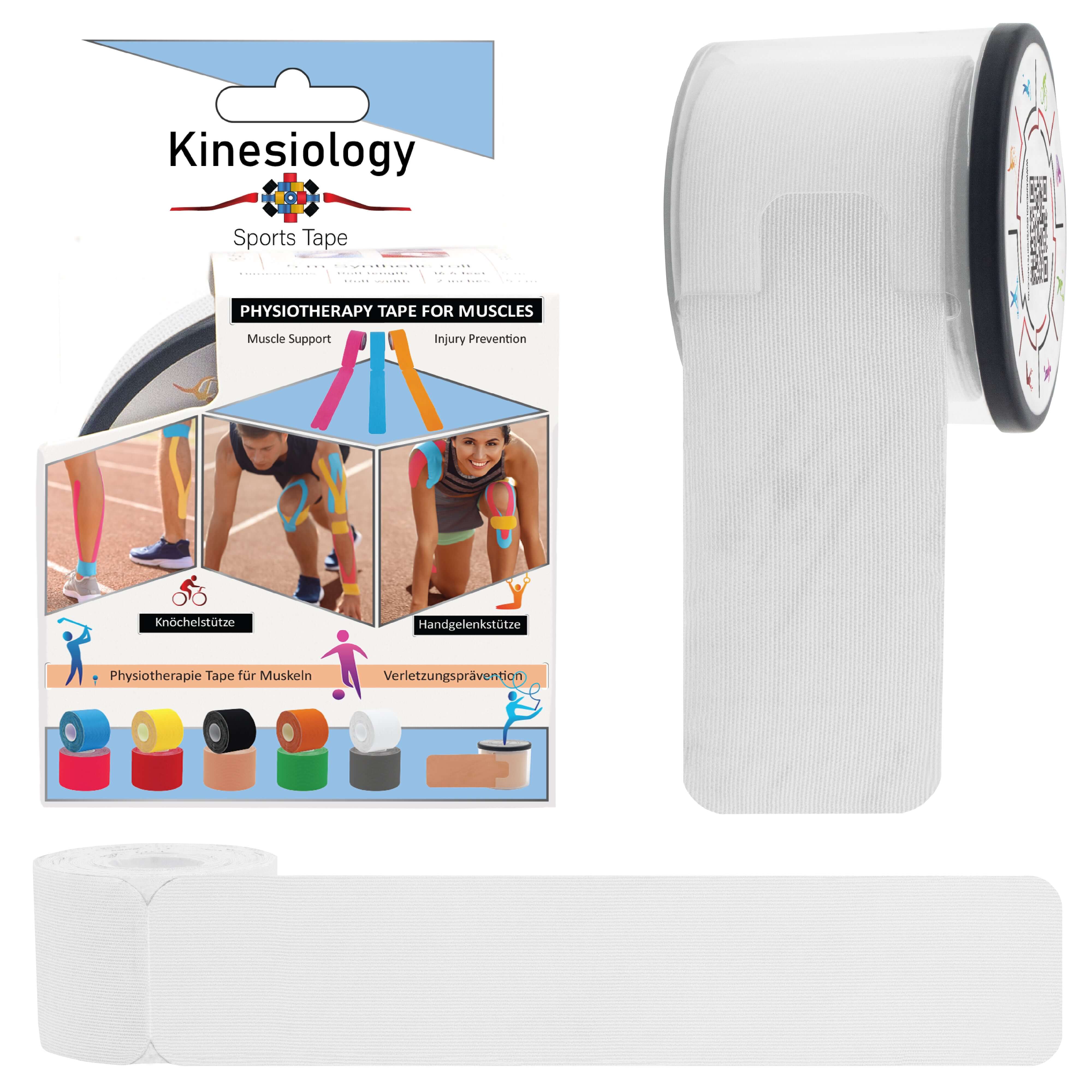
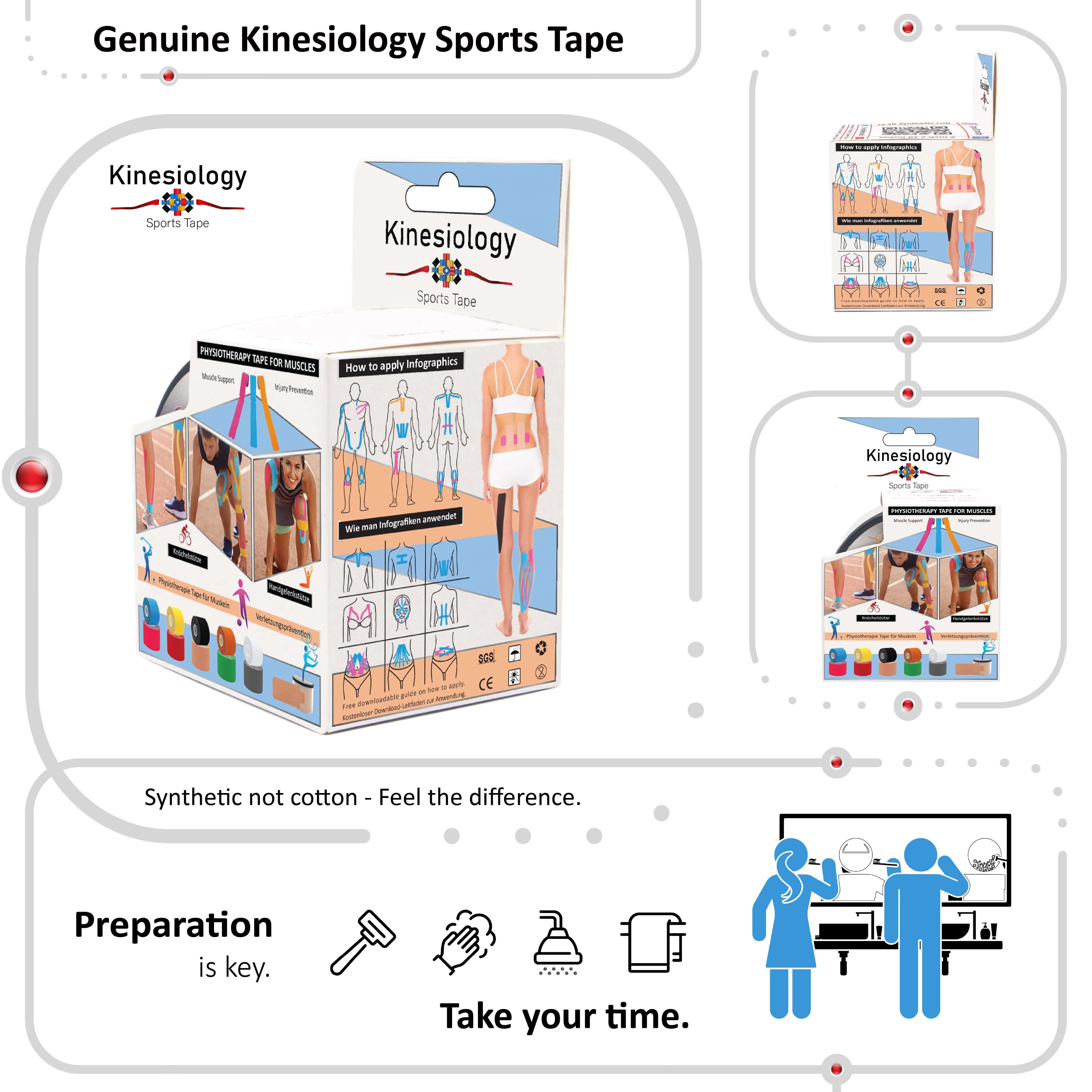
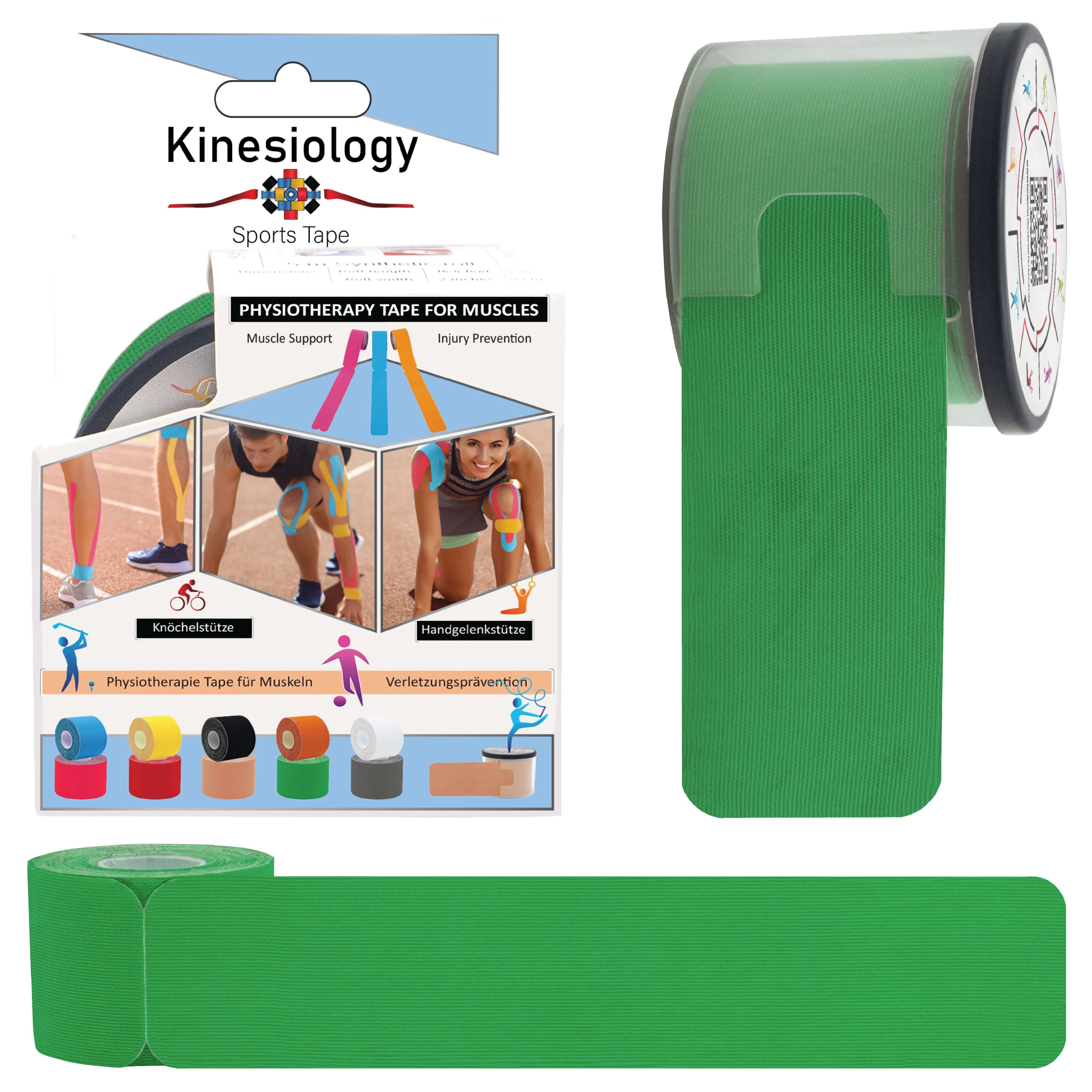
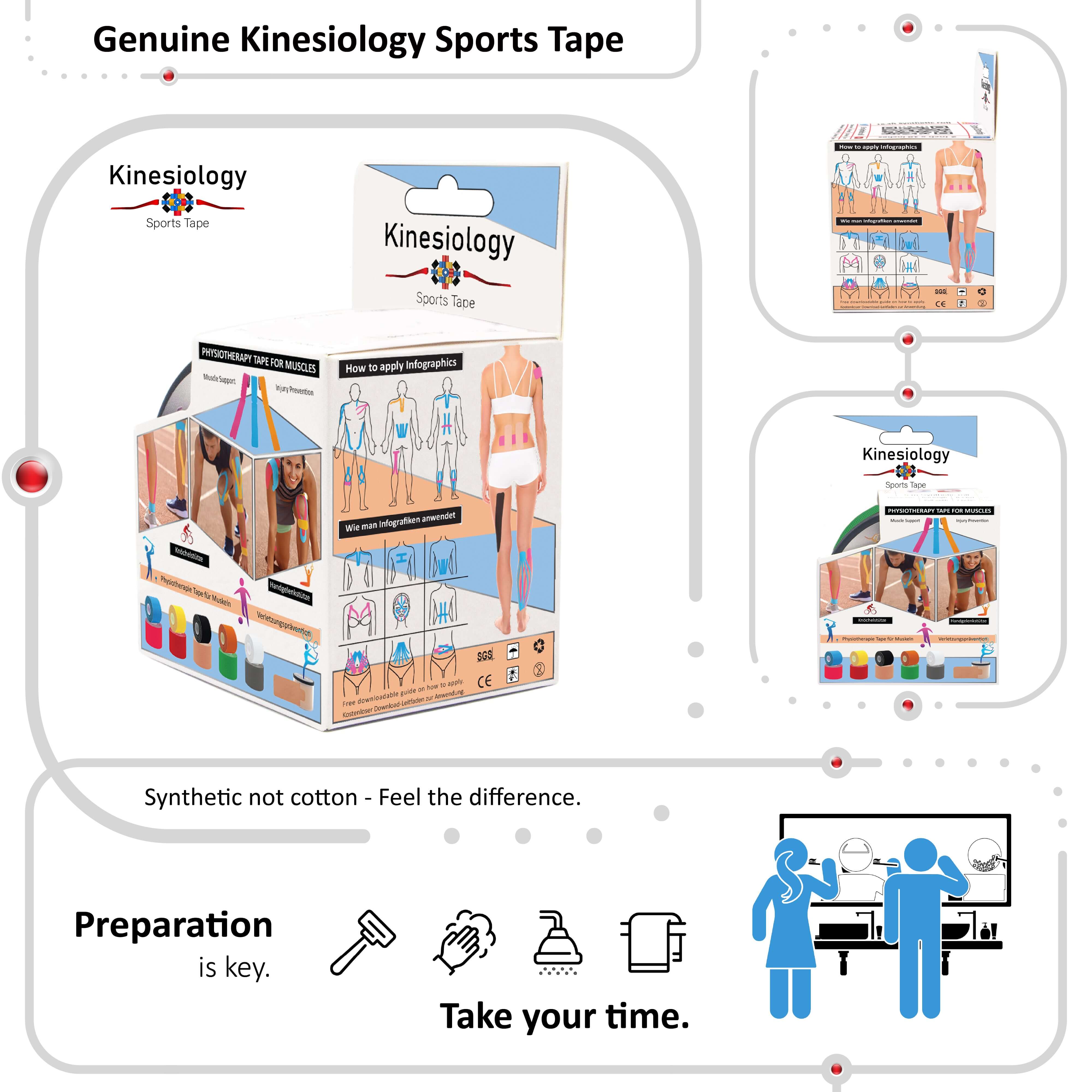
Our hypoallergenic synthetic tape is gentle on hormone-sensitised skin and stays put through showering and gentle exercise. Pre-cut 5cm × 25cm strips suit bump and back patterns.
From £4.99 per pack
Shop 10 Plain ColoursShop Talisman DesignsThe mechanism is mechanical and neurological, never pharmacological — an important point in pregnancy. Tape works by gentle skin lift over the painful area, which is thought to ease pressure on local pain receptors and improve micro-circulation, and by proprioceptive cueing — the brain registers the gentle pull as a constant reminder of body position, helping postural muscles fire and reducing the sense of bump heaviness. Nothing absorbs through the skin in any clinically relevant amount. No drug exposure to the baby.
That said: pregnancy skin is more sensitive (hormone-driven changes plus increased blood flow), so always patch-test on the forearm first and remove immediately at any redness, itching or discomfort. And every application during pregnancy should have the knowledge of your maternity team.
For most women, yes, when used appropriately and with midwife or physio knowledge. Tape works mechanically and via skin proprioception — nothing absorbs into the bloodstream in any clinically relevant amount. That said, every pregnancy is individual; please discuss with your maternity team before use.
Most physios suggest waiting until after 12 weeks (end of first trimester) before applying tape to the abdomen or lower back. Earlier use should be guided by your midwife or doctor.
Stop and contact your midwife immediately if you notice any skin reaction, increased pain, reduced fetal movements, bleeding, or anything that concerns you. Tape is comfort — never override a medical concern.
Only with your surgeon’s clearance — typically 4 to 6 weeks once the scar is fully closed. Tape goes above and below the scar, never directly on a healing incision. A women’s health physio can show the best pattern.
Many women find significant relief with SI joint and pubic symphysis taping — ideally applied or shown by a women’s health physio. NHS maternity physios in the UK regularly use kinesiology tape for PGP.
No. Tape is for muscle and joint support, not for skin conditions. For itching, see your midwife — severe itch in late pregnancy occasionally signals obstetric cholestasis, which needs urgent assessment.
Browse all 19 taping guides
From neck pain to ankle sprains, step-by-step guides for every common condition.
All Pain Guides →